
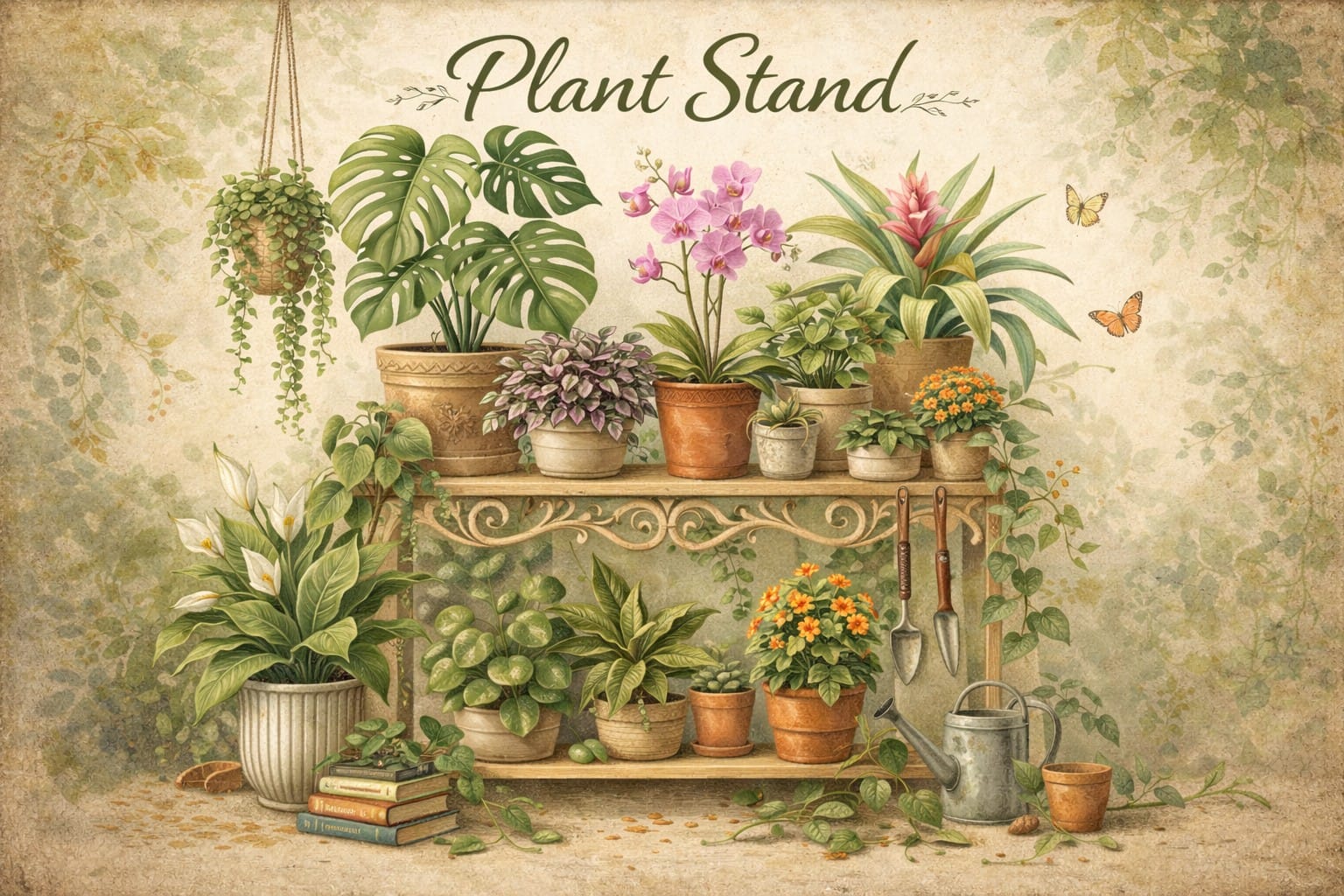
Plant stands are more than just a functional tool for holding your greenery—they are a stylish way to display, elevate, and organize your indoor plants. Whether you have a single potted plant or an entire indoor jungle, a well-chosen plant stand can transform your space, enhance décor, and improve plant health by providing better light and airflow.
This guide will cover everything you need to know about plant stands: types, materials, sizes, styling tips, DIY options, care, common mistakes, and expert advice to elevate your indoor garden.
Why Use a Plant Stand?
Plant stands serve multiple purposes:
- Elevate plants: Keeps plants off the ground, creating visual interest.
- Improve lighting: Positions plants closer to sunlight for better growth.
- Protect surfaces: Prevents water damage or soil stains on floors or furniture.
- Organize space: Helps arrange multiple plants neatly, avoiding clutter.
- Add décor: Complements interior design and highlights your greenery.
By strategically using plant stands, even small spaces can look lush and well-organized.
Types of Plant Stands
Plant stands come in many shapes, sizes, and designs. Choosing the right type depends on your plants, space, and décor style.
1. Single Plant Stands
- Designed for one plant at a time.
- Ideal for showcasing a statement plant like a fiddle leaf fig or monstera.
- Often comes in modern, minimalist, or decorative designs.
2. Multi-Tier Plant Stands
- Feature two or more levels for multiple plants.
- Great for small apartments or corners, allowing vertical gardening.
- Can be ladder-style, pyramid, or spiral.
3. Hanging Plant Stands
- Suspend plants from ceilings or walls.
- Perfect for trailing plants like pothos or string of pearls.
- Frees up floor space while creating a floating greenery effect.
4. Ladder Plant Stands
- Sloped design with multiple tiers.
- Works well for decorative indoor plant displays.
- Stylish addition to living rooms or patios.
5. Corner Plant Stands
- Specifically designed to fit snugly into corners.
- Ideal for maximizing unused space.
- Provides layered display for multiple plants.
6. Rolling Plant Stands
- Equipped with casters for mobility.
- Makes it easy to move plants for better sunlight or cleaning.
- Perfect for larger pots that are heavy to lift.
Materials Used in Plant Stands
Plant stands are made from a variety of materials, each with unique advantages:
1. Wood
- Offers warm, natural aesthetics.
- Works with rustic, bohemian, or mid-century interiors.
- Can be painted or stained to match décor.
- Needs occasional protection from water spills.
2. Metal
- Strong and durable, ideal for heavy pots.
- Comes in powder-coated, brass, or wrought iron finishes.
- Minimalistic designs suit modern or industrial décor.
3. Rattan and Wicker
- Lightweight and stylish, ideal for bohemian or tropical themes.
- Works best for smaller or lighter pots.
- Needs protection from excessive water to avoid damage.
4. Ceramic or Stone
- Heavy-duty stands for large planters.
- Provides elegant, high-end look.
- Usually decorative and stationary.
5. Acrylic or Plastic
- Lightweight, affordable, and modern-looking.
- Suitable for temporary displays or indoor gardening setups.
- Easy to clean and move.
Choosing the Right Plant Stand
Selecting the perfect plant stand involves considering several factors:
1. Size and Height
- Ensure the stand supports the pot securely.
- Choose height to position plants at eye level or enhance visual flow.
- Multi-tiered stands help display multiple plants without cluttering.
2. Weight Capacity
- Check weight limits, especially for large pots.
- Use metal or stone stands for heavy ceramic or clay pots.
3. Design and Aesthetics
- Match the stand with your interior décor (modern, rustic, minimalist, industrial).
- Consider color, texture, and shape to complement your plants.
4. Location
- Ensure the stand fits floor space, corners, or wall niches.
- Consider sunlight access and airflow for plant health.
5. Material Considerations
- Choose water-resistant or easy-to-clean materials if watering frequently.
- Indoor vs. outdoor placement affects material choice (wood vs. metal vs. rattan).
Styling Tips for Plant Stands
1. Group by Height and Size
- Place taller plants at the back and shorter plants in front for visual depth.
- Layer multiple plant stands to create a vertical jungle effect.
2. Mix and Match Materials
- Combine wood, metal, and wicker for eclectic and textured look.
- Ensure consistency in style for harmony.
3. Use Plant Stands to Define Spaces
- Use tall stands to divide rooms or create plant corners.
- Smaller stands can enhance shelves, desks, or window sills.
4. Add Decorative Elements
- Incorporate candles, sculptures, or books on lower tiers.
- Ensure additional items don’t block light or damage plants.
5. Rotate Plants Regularly
- Move plants around to maximize sunlight and growth.
- Keep plants on stands to prevent pests and improve air circulation.
DIY Plant Stand Ideas
For creative plant lovers, DIY plant stands are a fun way to customize your indoor garden:
- Wooden Crates: Stack or paint crates to create multi-level stands.
- PVC Pipe Stands: Lightweight, inexpensive, and customizable.
- Hanging Rope Shelves: Ideal for trailing plants; adds boho charm.
- Repurposed Furniture: Old stools, ladders, or tables can be converted into plant stands.
DIY stands allow for unique, budget-friendly solutions that fit your space perfectly.
Plant Stand Care
Proper care ensures longevity and safety:
- Clean regularly: Remove dust and water stains from wood, metal, or acrylic.
- Check stability: Ensure stands are sturdy and level to prevent tipping.
- Protect surfaces: Use coasters or trays to catch excess water.
- Inspect joints and screws: Tighten or reinforce if needed.
Common Mistakes to Avoid
- Overcrowding: Too many plants on one stand reduces airflow and sunlight access.
- Using unstable stands: Can lead to tipping, broken pots, and plant damage.
- Neglecting water drainage: Water spills can damage wood or flooring.
- Ignoring sunlight needs: Position plants without considering light requirements.
- Mixing incompatible plant sizes: Large heavy pots on small stands can cause accidents.
FAQs About Plant Stands
Q: Can I use plant stands outdoors?
A: Yes, choose weather-resistant materials like metal, treated wood, or stone. Protect wooden stands from excessive rain.
Q: What is the best height for a plant stand?
A: It depends on your display goal; eye-level for visual impact, lower stands for trailing plants.
Q: How do I prevent water damage on wooden stands?
A: Use pots with drainage trays and wipe spills promptly.
Q: Can I place multiple plants on one stand?
A: Yes, if it’s multi-tiered or sturdy, but avoid overcrowding for proper growth.
Q: Are DIY plant stands safe for heavy pots?
A: Only if constructed from durable materials and securely fastened. Test weight capacity before use.
Final Thoughts
Plant stands are essential tools for displaying, organizing, and elevating your indoor plants. They enhance aesthetics, improve plant health, and allow creative arrangements in any space. By choosing the right type, material, and design, you can transform your home into a lush, stylish indoor garden.
Whether you prefer minimalist single-plant stands, multi-tiered displays, hanging shelves, or DIY creations, a carefully selected plant stand can maximize light exposure, prevent damage, and create a stunning green focal point in your home.
Invest in quality plant stands and thoughtfully arrange your plants to enjoy beauty, convenience, and healthier greenery every day.