
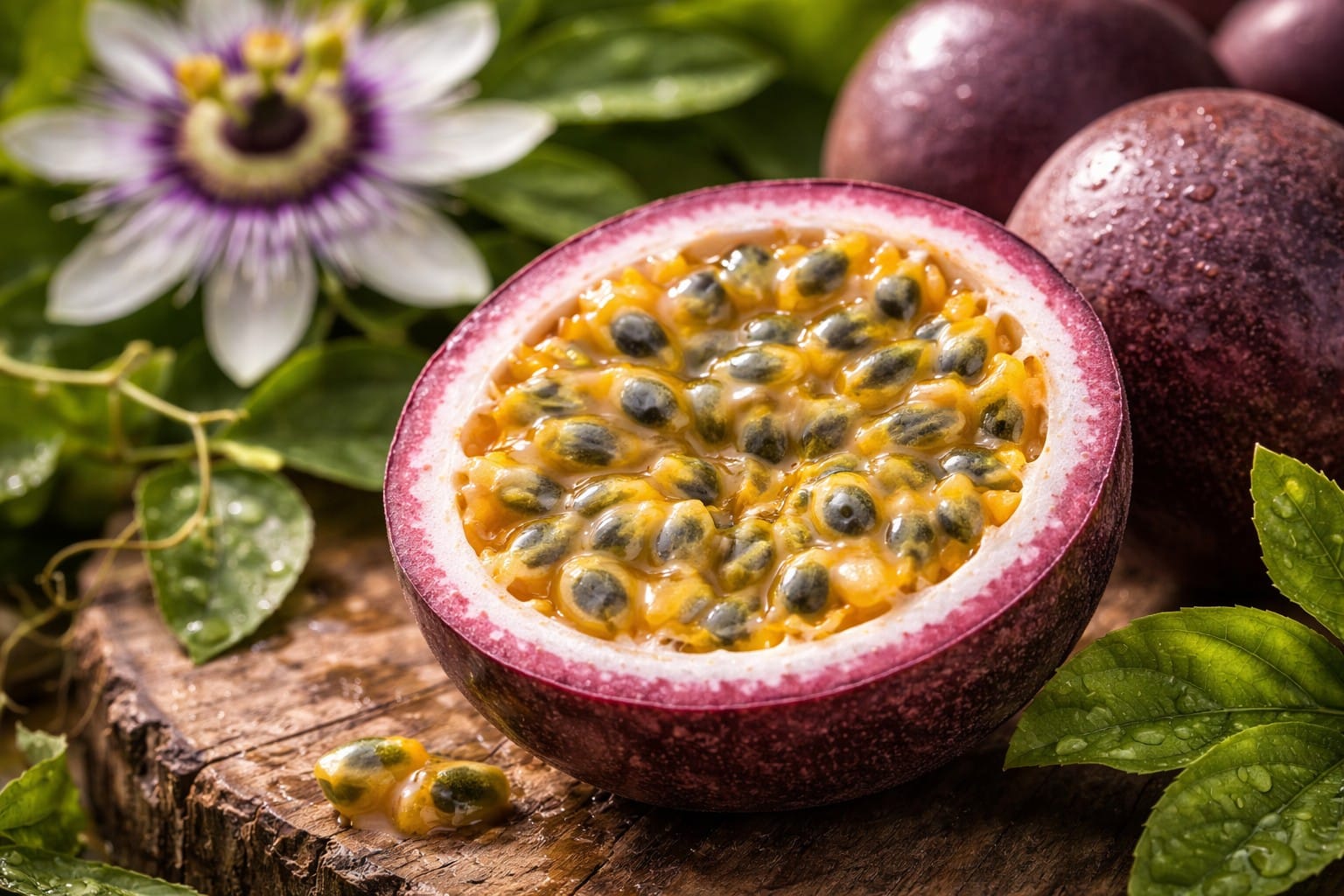
Growing passion flower seeds is a rewarding way to enjoy one of the most exotic and eye-catching flowering vines. Passion flowers (Passiflora) are known for their intricate blooms, fast growth, climbing habit, and pollinator appeal. When grown from seed, passionflowers develop strong root systems and adapt well to their environment, making them long-lived and productive plants.
This complete guide covers everything you need to know about passion flower seeds, including seed types, germination, planting, care, common problems, and expert tips to help you grow healthy vines and stunning flowers.
Understanding Passion Flower Seeds
Passion flower seeds come from the round fruits produced after flowering. Inside each fruit are multiple hard-coated seeds surrounded by juicy pulp.
Key characteristics of passion flower seeds:
Hard outer shell that slows germination
Can take several weeks to sprout
Remain viable for years if stored properly
Grow into vigorous climbing vines
Because of the tough seed coat, passion flower seeds need proper preparation to germinate successfully.
Types of Passion Flowers Grown from Seed
There are many passionflower species, but some are more commonly grown from seed.
Popular types include:
Passiflora caerulea – cold-hardy, fast-growing, blue and white flowers
Passiflora edulis – produces edible passion fruit
Passiflora incarnata – native, medicinal, and cold-tolerant
Passiflora alata – fragrant flowers and fruit
Choose varieties based on your climate, space, and whether you want fruit or ornamental flowers.
Choosing Quality Passion Flower Seeds
Good seeds are essential for successful germination.
Look for seeds that are:
Dark brown or black
Firm and uncracked
Fully mature
From fresh or reliable sources
Avoid pale, shriveled, or damaged seeds, as these often fail to sprout.
Preparing Passion Flower Seeds for Germination
Passion flower seeds germinate slowly without preparation due to their hard coating.
Recommended preparation methods:
Lightly sand or nick the seed coat to help water penetrate
Soak seeds in warm water for 24–48 hours
Change soaking water once if it becomes cloudy
Soaking softens the seed coat and significantly improves germination rates.
Best Time to Plant Passion Flower Seeds
Timing affects success.
Best planting time:
Spring after frost danger has passed
Indoors 6–8 weeks before last frost
Warm temperatures are essential for germination
Ideal soil temperature for germination is 70–85°F (21–29°C).
Soil Requirements for Passion Flower Seeds
Passionflowers prefer loose, well-draining soil.
Ideal soil mix:
Quality potting soil
Compost or organic matter
Perlite or sand for drainage
Soil should be fertile but not heavy. Poor drainage leads to seed rot and root problems.
How to Plant Passion Flower Seeds
Step-by-step planting process:
Fill pots or seed trays with prepared soil
Plant seeds about 1/2 inch deep
Cover lightly with soil
Water gently until evenly moist
Place containers in a warm, bright location
Avoid planting seeds too deep, as this delays emergence.
Germination Time and What to Expect
Passion flower seeds require patience.
Typical germination time:
2–6 weeks under ideal conditions
Some seeds may take up to 3 months
Keep soil consistently moist but never soggy. Warmth is more important than light during early germination.
Light Requirements After Germination
Once seedlings emerge, light becomes critical.
Seedlings need:
Bright indirect light or full sun
At least 6 hours of sunlight daily
Grow lights if started indoors
Insufficient light causes weak, leggy growth.
Watering Passion Flower Seedlings
Water carefully to support healthy growth.
Watering tips:
Keep soil lightly moist
Allow topsoil to dry slightly between watering
Avoid standing water in pots
Overwatering is a common cause of seedling failure.
Transplanting Passion Flower Seedlings
When seedlings develop several true leaves:
Transplant into larger pots or garden soil
Handle roots gently
Plant at the same depth as before
Water thoroughly after transplanting
Harden off seedlings gradually before moving them outdoors.
Supporting Passion Flower Vines
Passionflowers are climbers and need support early.
Support options include:
Trellises
Fences
Pergolas
Arbors
Walls with wire supports
Providing support early encourages upward growth and better flowering.
Sunlight Requirements for Mature Plants
Mature passionflowers thrive in:
Full sun to partial shade
6–8 hours of sunlight daily
Some afternoon shade in very hot climates
More sun usually results in more flowers.
Fertilizing Passion Flowers
Proper feeding encourages strong vines and blooms.
Fertilizing schedule:
Use balanced fertilizer during active growth
Apply compost or organic fertilizer monthly
Reduce feeding during winter dormancy
Avoid excessive nitrogen, which causes leaf growth at the expense of flowers.
Pruning Passion Flower Vines
Pruning keeps plants healthy and manageable.
Pruning tips:
Prune lightly in early spring
Remove dead or tangled growth
Trim back overly long vines
Do not over-prune flowering wood
Regular pruning improves airflow and flowering.
Common Problems When Growing from Seed
Slow or No Germination
Cause: Cold soil or unprepared seeds
Yellow Leaves
Cause: Overwatering or nutrient deficiency
Few Flowers
Cause: Too much shade or excess nitrogen
Pests
Aphids, spider mites, caterpillars, and whiteflies are common
Control with neem oil or insecticidal soap
Early care prevents long-term issues.
Growing Passion Flowers in Containers
Passionflowers grow well in pots.
Container tips:
Choose large containers with drainage holes
Use rich, well-draining soil
Provide strong support
Water more frequently than in-ground plants
Container-grown plants are easier to manage in cold climates.
Saving Passion Flower Seeds
You can collect seeds from mature plants.
Seed-saving steps:
Allow fruits to ripen fully
Remove seeds from pulp
Wash and dry seeds thoroughly
Store in cool, dry containers
Properly stored seeds remain viable for several years.
Expert Tips for Success
Use fresh seeds whenever possible
Scarify and soak seeds before planting
Maintain warm soil temperatures
Provide support early
Avoid overwatering
Be patient — passionflowers reward time and care
Small improvements greatly increase germination and flowering success.
Final Thoughts
Growing passion flower seeds is a beautiful and satisfying gardening project. While germination requires patience, the reward is a fast-growing vine covered in extraordinary blooms that attract pollinators and add tropical beauty to any space. With proper seed preparation, warm conditions, good soil, and consistent care, passion flowers grown from seed can thrive for many years.
Whether grown for ornamental beauty or edible fruit, passionflowers started from seed bring long-lasting color, movement, and life to gardens, patios, and landscapes. 🌸🌿