
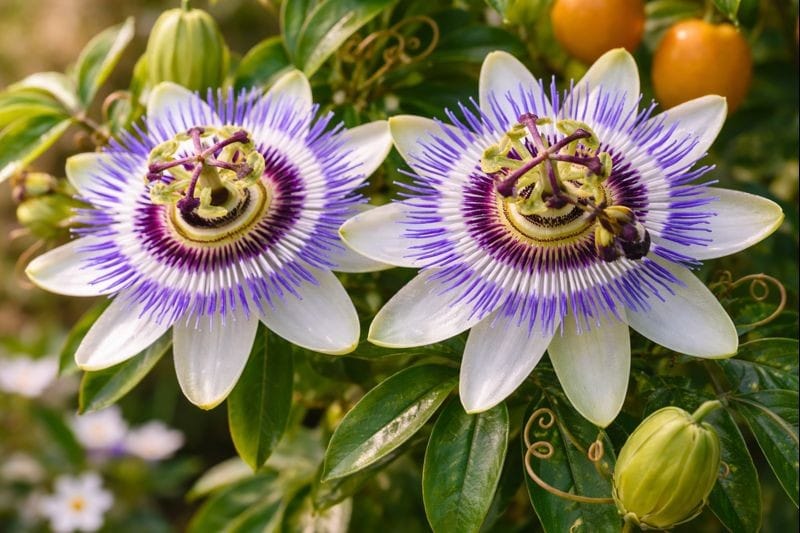
The Passiflora caerulea flower, commonly known as the blue passion flower, is one of the most striking and exotic-looking flowering vines you can grow. With its intricate blue, white, and purple petals arranged in a unique, almost otherworldly pattern, this plant instantly becomes a focal point in any garden. Beyond its beauty, Passiflora caerulea is valued for its fast growth, resilience, symbolic meaning, and ability to attract pollinators.
This in-depth guide covers everything you need to know about the Passiflora caerulea flower, including its meaning, plant characteristics, growing requirements, step-by-step planting instructions, care tips, common problems, uses, and expert insights to help you grow it successfully.
What Is Passiflora Caerulea
Passiflora caerulea is a fast-growing, perennial climbing vine from the passionflower family. It is native to South America but is now widely grown in gardens around the world due to its adaptability and stunning flowers.
The plant produces large, fragrant blooms with blue and white filaments, followed by oval orange fruits. It climbs using tendrils and can quickly cover fences, trellises, walls, and pergolas.
Passiflora Caerulea Flower Meaning and Symbolism
The passion flower carries deep symbolic meaning that dates back centuries.
Common meanings include:
Faith and spirituality
Peace and harmony
Passion and devotion
Hope and renewal
Historically, Christian missionaries associated parts of the flower with elements of the crucifixion, which is how the passion flower got its name. Today, it is also seen as a symbol of calmness and balance.
Appearance and Growth Habit
Passiflora caerulea is known for its dramatic structure.
Key characteristics include:
Large flowers measuring up to 4 inches wide
Blue, white, and purple radial filaments
Glossy green, deeply lobed leaves
Climbing growth using curling tendrils
Rapid vertical and horizontal spread
When mature, the vine can reach 20 to 30 feet in length.
Is Passiflora Caerulea Hardy
One of the biggest advantages of Passiflora caerulea is its cold tolerance.
It is:
More cold-hardy than most passionflowers
Able to survive light frost
Perennial in mild and temperate climates
In colder regions, the top growth may die back in winter, but the roots often survive and regrow in spring.
Ideal Growing Conditions
To thrive, Passiflora caerulea needs the right balance of light, soil, and space.
It prefers:
Full sun to partial shade
Warm days and cool nights
Good air circulation
Shelter from strong winds
More sunlight results in better flowering.
Soil Requirements
Well-draining soil is essential for healthy growth.
Best soil conditions include:
Loamy or sandy texture
Moderate fertility
Slightly acidic to neutral pH
Good drainage to prevent root rot
Heavy or waterlogged soil can damage the roots.
How to Plant Passiflora Caerulea
Planting correctly helps establish a strong vine.
When to Plant
Plant in spring after the risk of frost has passed. In warm climates, fall planting is also possible.
Planting Steps
Choose a sunny location with support nearby
Dig a hole twice the size of the root ball
Place the plant at the same depth as the pot
Backfill with soil and gently firm
Water thoroughly after planting
Install a trellis or fence at planting time to avoid root disturbance later.
Growing Passiflora Caerulea in Containers
This passionflower can grow well in containers if given space.
Container growing tips:
Use a large, deep pot
Ensure multiple drainage holes
Use high-quality potting mix
Provide a sturdy support structure
Container plants may need more frequent watering.
Watering Needs
Passiflora caerulea enjoys consistent moisture but dislikes soggy soil.
Watering guidelines:
Water regularly during the growing season
Allow the topsoil to dry slightly between watering
Reduce watering in winter
Avoid standing water
Deep watering encourages strong roots.
Fertilizing the Plant
Proper feeding supports flowering and growth.
Fertilizing tips:
Use a balanced fertilizer during spring and summer
Feed every 4 to 6 weeks
Avoid excessive nitrogen
Stop feeding in late fall
Too much nitrogen leads to leafy growth with fewer flowers.
Pruning and Training
Pruning keeps the vine healthy and manageable.
Best pruning practices include:
Prune in early spring before new growth
Remove dead or weak stems
Cut back overly long vines
Train new growth along supports
Regular pruning encourages better flowering.
Flowering and Bloom Time
Passiflora caerulea typically blooms from late spring through summer.
Flowering facts:
Blooms open for one day
New flowers appear continuously
Fragrant flowers attract pollinators
Warm temperatures encourage more blooms
Healthy vines produce dozens of flowers each season.
Fruit Production
The plant produces orange-yellow fruits after flowering.
Fruit details:
Fruits are edible but bland
Flavor is mild compared to edible passionfruit
Fruits form after pollination
Seeds are viable for propagation
The fruit is mostly grown for ornamental interest.
How to Propagate Passiflora Caerulea
Propagation is simple and rewarding.
From Seeds
Collect seeds from ripe fruit
Clean and dry seeds
Soak before planting
Germination may take several weeks
From Cuttings
Take semi-hardwood cuttings
Place in moist, well-draining medium
Keep warm and humid
Roots form in 3 to 6 weeks
Cuttings are the fastest method.
Common Problems and Solutions
While hardy, Passiflora caerulea can face issues.
Poor Flowering
Caused by too much shade or excess nitrogen.
Yellow Leaves
Often due to overwatering or nutrient imbalance.
Root Rot
Occurs in poorly drained soil.
Proper care prevents most problems.
Pests and Diseases
Possible pests include:
Aphids
Spider mites
Whiteflies
Diseases may include fungal leaf spots in humid conditions. Good airflow and regular inspection help control issues.
Is Passiflora Caerulea Toxic
Safety is important for households with pets.
Important notes:
Leaves and unripe fruit may be mildly toxic
Avoid ingestion by pets
Flowers are safe to touch
Not recommended for grazing animals
Use caution in pet-friendly gardens.
Benefits of Growing Passiflora Caerulea
This vine offers many advantages.
Key benefits include:
Stunning ornamental appeal
Fast coverage for privacy
Pollinator-friendly flowers
Cold tolerance
Low maintenance once established
It is ideal for gardeners seeking dramatic results.
Uses in Garden Design
Passiflora caerulea is highly versatile.
Common uses include:
Covering fences and walls
Pergolas and arches
Trellises in small gardens
Balcony and patio containers
Its climbing habit adds vertical interest.
Companion Plants
Good companion plants include:
Climbing roses
Clematis
Lavender
Jasmine
These plants complement its color and growth style.
Expert Growing Tips
For best results:
Plant in full sun
Avoid overfertilizing
Provide strong support early
Prune annually
Mulch roots in cold climates
Small adjustments make a big difference.
Frequently Asked Questions
Passiflora caerulea is easy to grow and fast-growing. It blooms in warm months and attracts bees and butterflies. It is more cold-hardy than other passionflowers. Regular pruning improves flowering. Fruits are ornamental and mildly edible but not flavorful.
Final Thoughts
The Passiflora caerulea flower is a true showstopper, combining exotic beauty with resilience and ease of care. Its intricate blooms, fast growth, and adaptability make it perfect for gardeners who want dramatic impact without constant maintenance.
With proper sunlight, support, and simple care, this passionflower vine will reward you year after year with stunning blooms, lush foliage, and a garden filled with life, movement, and color.