
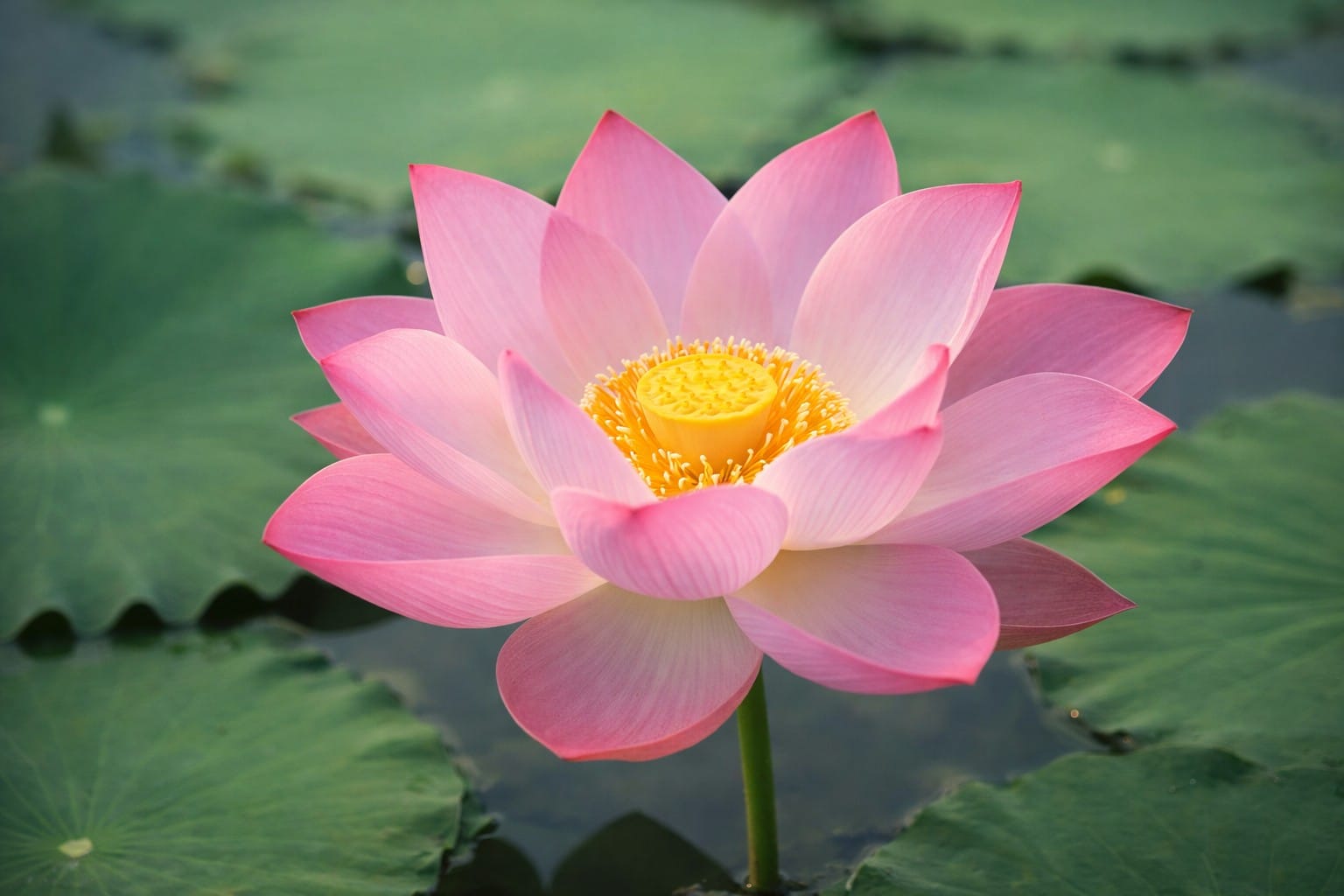
The lotus flower is one of the most revered and iconic flowers in the world. Known for its stunning beauty and unique ability to bloom in muddy waters, it has been a symbol of purity, enlightenment, and spiritual growth for thousands of years. Lotus flowers are not only visually captivating but also carry rich cultural, medicinal, and ecological significance.
This guide will cover everything you need to know about lotus flowers: their types, symbolism, growing conditions, care, propagation, uses, common problems, and tips for thriving lotus plants. By the end, you’ll have a complete understanding of this extraordinary aquatic plant.
What is a Lotus Flower?
The lotus flower, scientifically known as Nelumbo nucifera, is a perennial aquatic plant native to Asia, particularly India, China, and parts of Southeast Asia. It grows in shallow ponds, lakes, and slow-moving rivers, and its most notable feature is the ability to rise above muddy water to produce large, fragrant blooms.
Key features of the lotus include:
- Leaves: Large, circular, often floating on water.
- Flowers: Usually pink or white, with multiple layers of petals.
- Seed pods: Distinctive green pods with holes, which can produce seeds that remain viable for decades.
- Roots: Rhizomes that grow in muddy soil and anchor the plant.
The lotus is often confused with water lilies, but it is different in structure, growth, and symbolism. Unlike water lilies, lotus leaves and flowers rise above the water surface instead of floating directly on it.
Symbolism of the Lotus Flower
The lotus flower has been a symbol of spirituality, purity, and rebirth in many cultures:
- Buddhism: Represents enlightenment, spiritual awakening, and purity of mind. The flower emerges from mud yet remains untainted, symbolizing rising above suffering.
- Hinduism: Associated with deities like Vishnu, Lakshmi, and Saraswati. Symbolizes beauty, prosperity, and fertility.
- Ancient Egypt: Represented creation and rebirth; the blue lotus was sacred and used in religious rituals.
- Chinese Culture: Signifies purity, harmony, and perfection.
The lotus is admired for its resilience and ability to thrive in difficult conditions, making it a powerful metaphor for personal growth and transformation.
Types of Lotus Flowers
There are several types of lotus flowers, each with unique characteristics:
- Sacred Lotus (Nelumbo nucifera) – Pink or white flowers; widely cultivated in Asia; symbolic in religious practices.
- American Lotus (Nelumbo lutea) – Yellow flowers; native to North America; smaller blooms.
- Dwarf Lotus Varieties – Compact growth; ideal for small ponds or containers.
- Hybrid Varieties – Developed for larger blooms, unique colors, or prolonged flowering periods.
Growing Lotus Flowers
Lotus plants are aquatic, and their growth depends on the right environment and conditions.
Light Requirements
- Lotus flowers need full sunlight, at least 6–8 hours a day.
- Insufficient sunlight results in fewer blooms and weak growth.
Soil Requirements
- Use heavy clay soil or aquatic planting media.
- Avoid garden soil with sand or high organic matter, as it may float and cloud water.
Water Conditions
- Plant lotus in shallow water: 2–12 inches above soil for dwarf varieties, 12–24 inches for larger varieties.
- Water temperature should be above 70°F (21°C) for optimal growth.
Temperature
- Lotus flowers are tropical or subtropical, thriving in warm climates.
- Protect from frost; in colder climates, rhizomes can be overwintered indoors.
Containers and Ponds
- Lotus can be grown in ponds, water gardens, or large containers.
- Containers should be wide and shallow to accommodate rhizome growth.
How to Plant Lotus
Step 1: Choose Healthy Rhizomes
- Select firm rhizomes without damage or rot.
- Avoid plants with dry or shriveled tips.
Step 2: Prepare Soil
- Fill the container with 3–4 inches of clay soil.
- Avoid using loose potting soil that will float.
Step 3: Plant Rhizomes
- Place rhizome horizontally, pointing tips outward.
- Cover with 1–2 inches of soil, leaving growth tips exposed.
Step 4: Add Water
- Slowly add water to avoid disturbing soil.
- Maintain water level just above soil for young plants.
Step 5: Provide Sunlight
- Place in full sun; ensure water temperature remains warm.
Step 6: Fertilize
- Use aquatic plant fertilizer monthly during growing season.
- Avoid over-fertilizing, which can harm leaves and flowers.
Caring for Lotus Flowers
- Sunlight: At least 6 hours per day for healthy blooms.
- Water: Maintain water levels consistently.
- Fertilization: Use aquatic plant fertilizers; stop feeding in late fall.
- Pruning: Remove yellowing leaves and spent flowers to encourage new growth.
- Winter Care: In frost-prone regions, move containers indoors or keep rhizomes in cool, moist soil until spring.
Propagating Lotus Flowers
Lotus can be propagated via:
- Seeds – Long germination process; soak seeds, scarify, and plant in shallow water.
- Rhizome Division – Split healthy rhizomes in spring; plant individually for faster flowering.
Propagation via rhizomes is preferred for faster blooms and more predictable growth.
Uses of Lotus Flowers
Ornamental
- Adds beauty to ponds, water gardens, and landscapes.
- Available in pink, white, and yellow, with large, fragrant blooms.
Culinary
- Lotus seeds (also called lotus nuts) are edible and nutritious.
- Lotus root is widely used in Asian cuisine, adding texture and flavor.
Medicinal
- Lotus flowers, seeds, and leaves are used in traditional medicine for digestion, calming, and heart health.
- Rich in antioxidants, vitamins, and minerals.
Cultural and Spiritual
- Used in religious ceremonies, decorations, and meditation spaces.
- Symbolizes purity, enlightenment, and spiritual growth.
Common Problems and Solutions
- Yellowing Leaves: Caused by over-fertilization or poor water quality. Reduce fertilizer and maintain clean water.
- No Flowers: May result from insufficient sunlight or immature rhizomes. Ensure at least 6 hours of sunlight and healthy rhizomes.
- Pests: Aphids and snails may attack; use natural pest control like neem oil or manual removal.
- Fungal Issues: Caused by stagnant water or poor airflow. Improve water circulation and remove decayed leaves.
Tips for Thriving Lotus Flowers
- Choose the right variety for your climate and container size.
- Maintain consistent water levels and avoid extreme fluctuations.
- Fertilize during active growth but reduce feeding in late season.
- Remove old leaves and flowers to encourage new blooms.
- Protect from frost by moving containers indoors or covering ponds in winter.
FAQs About Lotus Flowers
Q: How long does it take for lotus to bloom?
A: Lotus usually blooms 2–3 months after planting rhizomes in warm conditions.
Q: Can lotus grow in small containers?
A: Yes, dwarf lotus varieties are perfect for small ponds or indoor containers.
Q: Are lotus flowers edible?
A: Yes, seeds, roots, and petals are all edible and used in cooking and traditional medicine.
Q: Can lotus survive cold winters?
A: Tropical lotus may need protection; rhizomes can be overwintered indoors in cool, moist soil.
Q: How do I prevent pests in lotus ponds?
A: Maintain clean water, remove debris, and use natural pest control methods like neem oil or introducing predator insects.
Final Thoughts
The lotus flower is more than just a beautiful aquatic plant. Its symbolism, elegance, and versatility make it a cherished addition to gardens, ponds, and cultural practices worldwide. By understanding its growth requirements, proper care, and uses, anyone can cultivate thriving lotus plants. Whether for ornamental beauty, culinary use, or spiritual significance, the lotus continues to inspire and captivate across generations.