
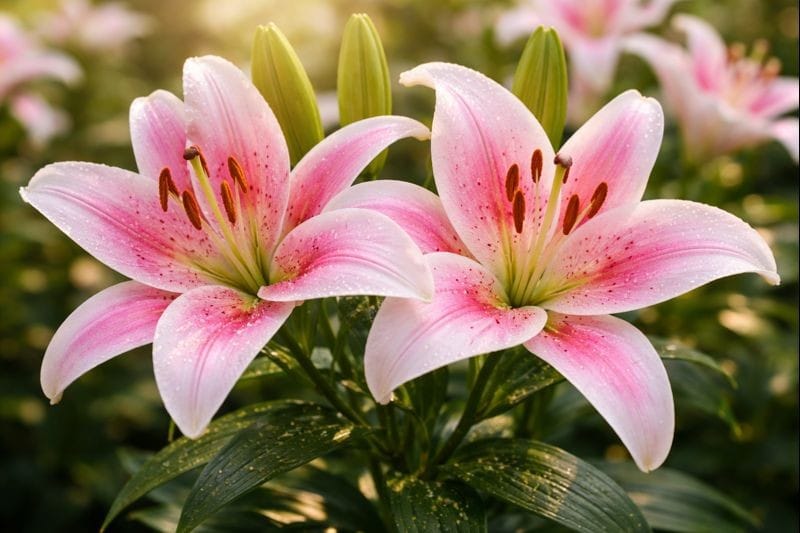
The lily flower is one of the most elegant and widely recognized flowers in the world. Known for its large blooms, sweet fragrance, and rich symbolism, lilies have been admired for centuries in gardens, homes, and cultural traditions. From weddings and religious ceremonies to everyday home décor, the lily flower represents beauty, purity, and renewal.
This in-depth guide covers everything you need to know about lily flowers, including their meaning, popular types, growing conditions, planting steps, care tips, common problems, uses, and expert advice. Whether you are growing lilies in your garden or simply want to understand their importance, this article gives you complete and practical knowledge.
What Is a Lily Flower?
The lily flower belongs to the Lilium genus, which includes more than 100 species of flowering plants. Lilies are native to the Northern Hemisphere and are commonly found in Asia, Europe, and North America. They grow from bulbs and are known for their upright stems, narrow leaves, and striking trumpet-shaped or bowl-shaped flowers.
Key features of lily flowers include:
- Large, showy blooms with six petals
- Strong fragrance in many varieties
- Tall stems, often growing 2 to 6 feet high
- Bulb-based growth, allowing them to return yearly
Lilies are often confused with plants like calla lilies or daylilies, but true lilies come only from the Lilium genus.
Meaning and Symbolism of Lily Flower
The lily flower has deep symbolic meaning across cultures and religions.
- Purity and innocence – especially white lilies
- Renewal and rebirth – often associated with spring
- Love and devotion – used in weddings and celebrations
- Sympathy and remembrance – common in funerals
In Christian symbolism, white lilies represent the Virgin Mary and purity. In ancient Greek mythology, lilies were linked to motherhood and femininity. In Chinese culture, lilies symbolize good luck, abundance, and long-lasting relationships.
Because lilies bloom fresh and bright, they are often seen as a symbol of new beginnings.
Types of Lily Flowers
There are many types of lilies, each with its own color, shape, and growing habit.
Asiatic Lilies
- Early bloomers
- Bright colors like orange, yellow, red, and pink
- Little to no fragrance
- Easy to grow and beginner-friendly
Oriental Lilies
- Large, dramatic flowers
- Strong, sweet fragrance
- Bloom later in summer
- Popular varieties include Stargazer lilies
Trumpet Lilies
- Long, trumpet-shaped blooms
- Strong fragrance
- Tall growth
- Excellent for garden back rows
Easter Lily
- White, trumpet-shaped flowers
- Symbol of purity and hope
- Often grown indoors during spring
Tiger Lily
- Orange petals with dark spots
- Hardy and low maintenance
- Bold and striking appearance
How to Grow Lily Flowers
Lilies are relatively easy to grow when given the right conditions.
Light Requirements
- Prefer full sun to partial shade
- At least 6 hours of sunlight daily
- Roots prefer cool soil, while flowers enjoy sun
Soil Requirements
- Well-draining soil is essential
- Rich in organic matter
- Slightly acidic to neutral pH
Watering Needs
- Water regularly but avoid soggy soil
- Keep soil evenly moist during growth
- Reduce watering once flowering ends
Temperature and Climate
- Most lilies prefer moderate climates
- Hardy lilies tolerate cold winters
- Some varieties need protection from extreme heat
Containers vs Garden Planting
- Lilies grow well in pots and containers
- Use deep containers for bulb development
- Ensure proper drainage holes
Step-by-Step Guide to Planting Lilies
Step 1: Choose healthy bulbs that are firm and mold-free
Step 2: Select a sunny, well-draining location
Step 3: Dig a hole 6–8 inches deep
Step 4: Place bulb with pointed end facing up
Step 5: Cover with soil and press gently
Step 6: Water thoroughly after planting
Step 7: Mulch lightly to retain moisture and keep roots cool
Lilies can be planted in spring or fall, depending on the variety and climate.
Lily Flower Care Tips
Proper care helps lilies bloom beautifully year after year.
- Water deeply during active growth
- Fertilize in early spring with balanced fertilizer
- Stake tall varieties to prevent bending
- Remove faded flowers but keep stems intact
- Allow leaves to yellow naturally before cutting back
Pruning and Maintenance
- Deadhead spent blooms to conserve energy
- Do not cut leaves until they fully die back
- This helps bulbs store energy for next season
How to Propagate Lily Flowers
Lilies can be propagated in several ways.
Bulb Division
- Separate offsets from the main bulb
- Replant immediately
- Most reliable and fastest method
Scale Propagation
- Remove scales from bulbs
- Plant in moist medium
- Takes longer but produces multiple plants
Seeds
- Rarely used due to long germination time
- May take years to flower
Common Problems and Solutions
Yellow Leaves
- Overwatering or poor drainage
- Improve soil and reduce watering
No Flowers
- Insufficient sunlight
- Bulbs planted too shallow
- Nutrient deficiency
Pests
- Aphids, beetles, and slugs
- Hand-pick or use neem oil
Diseases
- Fungal infections caused by wet soil
- Ensure good air circulation
Uses of Lily Flower
Ornamental Use
- Popular in gardens, borders, and bouquets
- Adds elegance to any space
Floral Arrangements
- Widely used in weddings and events
- Long vase life when properly cared for
Cultural and Religious Use
- Used in ceremonies, festivals, and rituals
- Symbol of purity, peace, and remembrance
Fragrance and Wellness
- Some lilies are used in perfumes
- Aroma associated with calm and relaxation
Tips for Healthy Lily Blooms
- Plant bulbs deep enough
- Keep soil cool with mulch
- Avoid overcrowding
- Fertilize lightly but regularly
- Protect from strong winds
FAQs About Lily Flower
Q: How long do lily flowers bloom?
A: Individual blooms last about 1–2 weeks, depending on variety.
Q: Can lilies grow indoors?
A: Yes, especially Easter lilies, with bright light and proper care.
Q: Are lilies toxic to pets?
A: Yes, lilies are extremely toxic to cats and should be kept away.
Q: Do lilies come back every year?
A: Yes, most true lilies are perennials.
Q: Can lilies grow in pots?
A: Yes, they grow very well in containers with deep soil.
Final Thoughts
The lily flower is a timeless symbol of grace, beauty, and renewal. With its stunning blooms, meaningful symbolism, and relatively easy care, lilies remain a favorite for gardeners and flower lovers alike. By understanding their types, planting methods, and care needs, you can enjoy healthy, vibrant lily flowers year after year. Whether in a garden, pot, or bouquet, lilies bring elegance and life wherever they grow.