
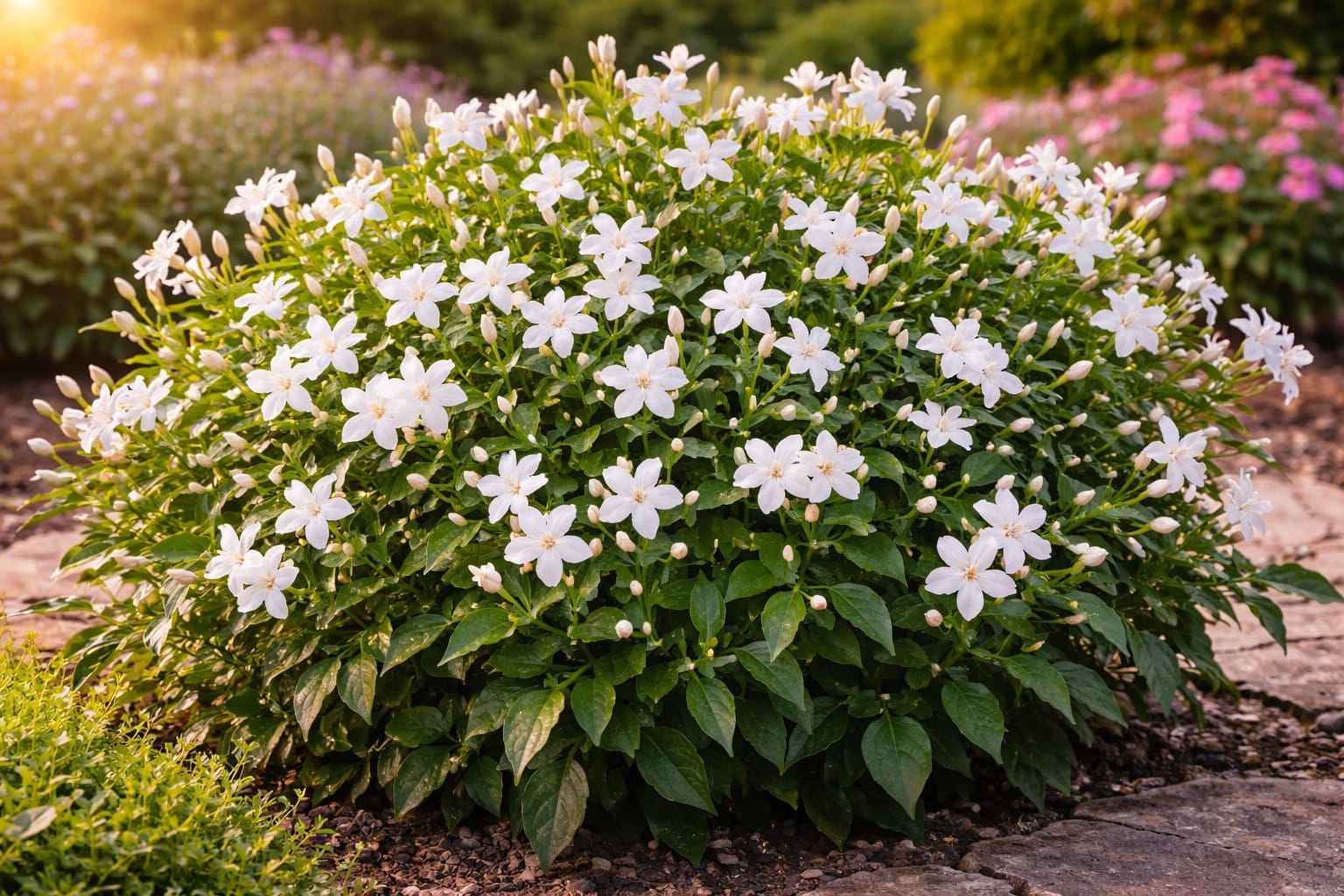
The jasmine flower plant is loved worldwide for its intensely fragrant flowers, delicate beauty, and versatile growth habits. Whether climbing over trellises, growing as shrubs, or blooming in pots, jasmine plants add elegance, romance, and a calming scent to gardens, balconies, and indoor spaces. Many jasmine varieties bloom for long periods and are surprisingly easy to care for when given the right conditions.
This complete, in-depth guide covers everything you need to know about jasmine flower plants, including types, growing conditions, planting, care, pruning, propagation, common problems, uses, and expert tips for maximum blooms and fragrance.
What Is a Jasmine Flower Plant
Jasmine belongs to the Jasminum genus and includes over 200 species of flowering plants. These can be evergreen or deciduous shrubs, vines, or ground covers. Most are native to tropical and subtropical regions but many grow well in temperate climates too.
Key characteristics of jasmine plants:
Star-shaped white or yellow flowers
Strong, sweet fragrance (especially at night)
Climbing, vining, or bushy growth habits
Long blooming seasons
Attract pollinators
Some plants called “jasmine” are not true jasmine, but true jasmine is always part of the Jasminum genus.
Meaning and Symbolism of Jasmine Flowers
Jasmine flowers hold deep cultural and emotional meaning.
Common symbolism includes:
Love and romance
Purity and elegance
Peace and spirituality
Good luck and positivity
In many cultures, jasmine flowers are used in weddings, religious ceremonies, perfumes, and teas.
Popular Types of Jasmine Flower Plants
Different jasmine varieties suit different climates and garden styles.
Common Jasmine (Jasminum officinale)
White, highly fragrant flowers
Climbing vine
Blooms late spring through summer
Cold-hardy compared to other types
Arabian Jasmine (Jasminum sambac)
Strong fragrance
Shrubby growth
Used for jasmine tea and garlands
Blooms intermittently year-round in warm climates
Night-Blooming Jasmine (Cestrum nocturnum)
Very strong nighttime fragrance
Shrub, not a true jasmine
Blooms mainly at night
Winter Jasmine (Jasminum nudiflorum)
Yellow, non-fragrant flowers
Blooms in late winter
Excellent for cold climates
Star Jasmine (Trachelospermum jasminoides)
Not a true jasmine
Evergreen vine
Fragrant white flowers
Great for walls and fences
Dwarf Jasmine
Compact size
Ideal for containers
Light fragrance
Easy to manage
Why Grow Jasmine Flower Plants
Jasmine plants offer both beauty and practical benefits.
Key benefits:
Beautiful, fragrant flowers
Long blooming periods
Climbing or compact options
Attracts bees and butterflies
Great for containers and gardens
Used for perfume, tea, and décor
Few plants match jasmine’s fragrance and elegance.
Sun Requirements
Jasmine plants generally prefer full sun to partial shade.
Sunlight guidelines:
6–8 hours of sunlight daily
Morning sun is ideal
Some shade in very hot climates
Too much shade reduces flowering
More sunlight usually means more flowers.
Soil Requirements
Healthy soil is essential for strong growth and blooms.
Ideal soil conditions:
Well-draining soil
Loamy or sandy texture
Rich in organic matter
Slightly acidic to neutral pH
Avoid waterlogged soil, which causes root rot.
How to Plant Jasmine
Plant jasmine correctly to ensure long-term success.
Planting steps:
Choose a sunny, sheltered location
Loosen soil and mix in compost
Dig a hole twice the size of the root ball
Plant at the same depth as the nursery pot
Water thoroughly after planting
Add mulch to retain moisture
Climbing jasmine needs trellises, fences, or arches for support.
Watering Jasmine Plants
Jasmine plants prefer consistent moisture but hate soggy soil.
Watering tips:
Water deeply when topsoil feels dry
Increase watering during blooming
Reduce watering in winter
Avoid standing water
Container-grown jasmine needs more frequent watering.
Temperature and Climate
Jasmine thrives in warm conditions.
Ideal temperatures:
60–85°F (16–29°C)
Protect from frost
Bring tender varieties indoors in winter
Cold-hardy types like winter jasmine tolerate frost better.
Fertilizing Jasmine Plants
Regular feeding promotes lush growth and flowers.
Fertilizer tips:
Use balanced fertilizer every 4–6 weeks in spring and summer
Avoid high nitrogen alone
Stop fertilizing in winter
Organic compost works well
Too much fertilizer causes leaves but fewer flowers.
Blooming Season and Flowering
Jasmine bloom time depends on the variety.
Blooming patterns:
Spring to summer for most types
Year-round in warm climates
Winter blooms for winter jasmine
Night fragrance in some varieties
Deadheading helps extend flowering.
Pruning and Training
Pruning keeps jasmine healthy and encourages blooms.
Pruning tips:
Prune after flowering
Remove dead or tangled stems
Trim to control size
Train vines on supports
Avoid heavy pruning just before blooming season.
Propagating Jasmine Plants
Jasmine is easy to propagate.
Stem Cuttings
Take semi-hardwood cuttings
Remove lower leaves
Root in moist soil or water
Best done in spring or summer
Layering
Bend a stem to the ground
Cover part with soil
Roots form naturally
Separate once established
Propagation allows you to grow multiple plants easily.
Growing Jasmine in Containers
Many jasmine varieties grow well in pots.
Container tips:
Choose large pots with drainage holes
Use well-draining potting mix
Water more frequently than ground plants
Provide climbing support if needed
Arabian jasmine is especially popular for containers.
Common Problems and Solutions
Yellow Leaves
Overwatering or poor drainage
Improve drainage and adjust watering
No Flowers
Too little sunlight or excess nitrogen
Move to sunnier location
Pests
Aphids, spider mites, whiteflies
Treat with neem oil or insecticidal soap
Root Rot
Caused by waterlogged soil
Repot in fresh, well-draining soil
Weak Growth
Caused by poor soil or lack of nutrients
Add compost and balanced fertilizer
Jasmine for Pollinators
Jasmine attracts beneficial insects.
Pollinator benefits:
Bees visit during the day
Moths and night pollinators for night-bloomers
Supports garden biodiversity
Fragrant varieties are especially attractive.
Jasmine in Garden Design
Jasmine is extremely versatile.
Design ideas:
Climbing vines on trellises and arches
Hedges or shrubs
Container plants on balconies
Ground cover on slopes
Near windows for fragrance
Plant near seating areas to enjoy the scent.
Jasmine Uses
Jasmine has many uses beyond the garden.
Common uses:
Perfumes and essential oils
Jasmine tea
Floral garlands
Aromatherapy
Traditional medicine in some cultures
The fragrance is calming and relaxing.
Is Jasmine Safe
Most true jasmine plants are non-toxic.
Safety notes:
Generally safe for humans
Some non-true jasmines may be toxic to pets
Check variety if pets are present
Avoid confusion with lookalike plants.
Frequently Asked Questions
Is jasmine easy to grow
Yes, with proper sunlight and drainage
Does jasmine bloom all year
Some varieties do in warm climates
Can jasmine grow indoors
Yes, with bright light and proper care
How long does jasmine live
Many jasmine plants live for decades
Does jasmine need climbing support
Climbing varieties do, shrub types do not
Expert Tips for More Flowers
Give plenty of sunlight
Avoid overfertilizing
Prune after flowering
Water consistently
Use supports for climbing types
Simple care makes a big difference.
Final Thoughts
The jasmine flower plant is a timeless, fragrant, and rewarding plant that enhances any space with beauty and scent. Whether grown as a climbing vine, shrub, or container plant, jasmine offers long-lasting blooms, soothing fragrance, and graceful growth.
With proper sunlight, well-draining soil, regular watering, and light pruning, jasmine plants thrive for years, filling gardens and homes with natural elegance and unforgettable fragrance season after season.