
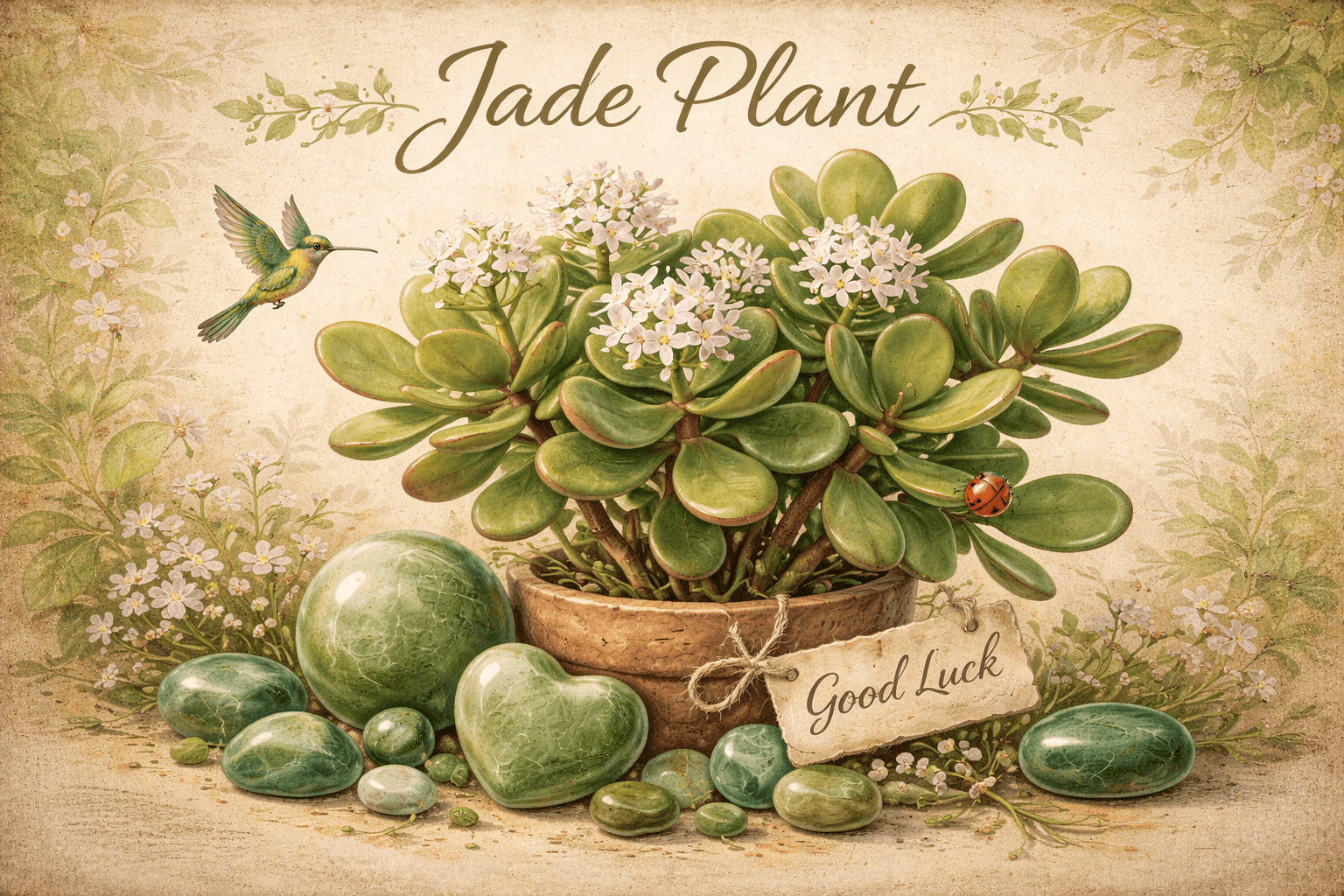
The jade plant (Crassula ovata), also known as the money plant or friendship tree, is one of the most beloved succulent houseplants in the world. Known for its thick, fleshy leaves, tree-like appearance, and longevity, the jade plant is not only visually striking but also considered a symbol of good luck, prosperity, and friendship in many cultures.
This comprehensive guide will cover everything you need to know about jade plants: from types, care, and propagation to common problems, uses, and expert tips. Whether you are a beginner or a seasoned plant lover, this article will help you grow a thriving jade plant that lasts for decades.
What is a Jade Plant?
The jade plant is a succulent native to South Africa and Mozambique. Its scientific name is Crassula ovata, and it belongs to the Crassulaceae family. Jade plants are slow-growing and can develop into small shrubs with a trunk-like stem and lush green leaves.
Key features of jade plants:
- Leaves: Thick, oval, glossy green, sometimes with red edges in bright light.
- Stems: Woody and tree-like, giving a miniature tree appearance over time.
- Flowers: Small star-shaped white or pink blooms in winter or spring.
- Growth: Slow-growing; can live for decades with proper care.
The jade plant’s resilience, low maintenance needs, and symbolic value make it one of the most popular indoor plants globally.
Symbolism and Meaning
Jade plants are associated with good luck, wealth, and positive energy, making them popular in homes, offices, and businesses.
- Feng Shui: Believed to attract prosperity and positive energy when placed near the entrance of a home or office.
- Friendship and Longevity: Often gifted to symbolize enduring friendship or long life.
- Wealth and Success: Commonly called the “money plant” because it is said to bring financial luck.
Types of Jade Plants
There are several popular varieties of jade plants, each with unique characteristics:
- Crassula ovata (Standard Jade Plant): Thick green leaves; traditional money plant.
- Variegated Jade: Green leaves with yellow or cream-colored edges.
- Gollum Jade: Tubular, trumpet-shaped leaves resembling fingers.
- Hobbit Jade: Similar to Gollum, but with curled leaves.
- Flaming Katy Jade: Red-tipped leaves under bright light.
These varieties add different textures and colors to indoor spaces, allowing for creative arrangements.
Growing Conditions for Jade Plants
Jade plants are hardy, but proper care ensures healthy growth and longevity.
Light Requirements
- Jade plants thrive in bright, indirect sunlight.
- At least 4–6 hours of sunlight daily is ideal.
- Leaves may develop red edges when exposed to sufficient sunlight.
- Avoid prolonged direct sunlight in very hot climates, as it can scorch leaves.
Watering
- Jade plants are succulents and store water in their leaves.
- Allow soil to dry completely between watering.
- Overwatering can cause root rot, the most common cause of jade plant death.
- In winter, reduce watering since growth slows down.
Soil
- Use well-draining soil, ideally a cactus or succulent mix.
- Avoid garden soil, which retains too much moisture.
- Adding sand or perlite improves drainage.
Temperature and Humidity
- Jade plants prefer temperatures between 65–75°F (18–24°C).
- They can tolerate cooler temperatures down to 50°F (10°C).
- Avoid frost or prolonged exposure to temperatures below 40°F (4°C).
- Jade plants tolerate normal indoor humidity; excessive moisture is harmful.
Fertilization
- Feed with a succulent fertilizer every 2–3 months during the growing season (spring and summer).
- Avoid fertilizing in winter.
- Use a balanced fertilizer diluted to half strength to prevent overfeeding.
How to Plant and Repot Jade Plants
Planting in Pots
- Choose a container with drainage holes.
- Fill with succulent or cactus soil.
- Plant the jade gently, covering roots but leaving the stem base exposed.
- Water lightly after planting.
Repotting
- Repot every 2–3 years to refresh soil and allow growth.
- Spring is the best time for repotting.
- Remove old soil, inspect roots, and trim any rotten sections.
Propagation of Jade Plants
Jade plants are easy to propagate, making them perfect for expanding your collection or gifting.
Leaf Cuttings
- Cut a healthy leaf and allow it to dry for 1–2 days to form a callus.
- Plant in well-draining soil.
- Water lightly until roots develop (2–4 weeks).
Stem Cuttings
- Cut a healthy stem with several leaves.
- Let it dry for a day or two before planting.
- Place in soil and water sparingly until roots establish.
Benefits of Propagation
- Produces new plants quickly.
- Preserves the health of older plants.
- Ideal for gifting friends and family.
Benefits of Jade Plants
- Air Purification: Helps remove toxins and improve indoor air quality.
- Stress Reduction: Caring for plants improves mood and reduces anxiety.
- Aesthetics: Adds greenery, texture, and a tree-like presence indoors.
- Feng Shui and Luck: Believed to bring prosperity and positive energy.
- Longevity: Can live decades with proper care, often becoming family heirlooms.
Common Problems and Solutions
- Overwatering: Leads to root rot. Water only when soil is dry.
- Leaf Drop: Can occur due to sudden temperature changes or overwatering.
- Pests: Aphids, mealybugs, and spider mites can infest jade plants. Wipe leaves or use insecticidal soap.
- Sunburn: Direct harsh sunlight can burn leaves; provide filtered sunlight if necessary.
- Slow Growth: Often due to insufficient light or poor soil. Move plant to a brighter location and refresh soil.
Expert Tips for Thriving Jade Plants
- Rotate plants regularly for even growth.
- Wipe leaves occasionally to remove dust and improve photosynthesis.
- Use pebbles or top dressing to enhance pot aesthetics and prevent soil erosion.
- Group jade plants with other succulents for a succulent-themed display.
- Prune carefully to shape the plant and encourage branching.
Flowering Jade Plants
- Jade plants may bloom small star-shaped white or pink flowers in winter or early spring.
- Flowering is rare indoors and requires bright light, proper care, and maturity (usually plants older than 3–4 years).
- Remove spent flowers to maintain plant health.
FAQs About Jade Plants
Q: How often should I water a jade plant?
A: Water only when the soil is completely dry. Overwatering is the leading cause of jade plant death.
Q: Can jade plants live outdoors?
A: Yes, in warm climates. Protect from frost and excessive rain.
Q: How long can a jade plant live?
A: With proper care, jade plants can live 50 years or more, becoming family heirlooms.
Q: Do jade plants need sunlight?
A: Yes, they require bright, indirect sunlight. Some direct sun is beneficial but avoid scorching.
Q: How do I propagate a jade plant?
A: Using leaf or stem cuttings, allowing them to callus, and planting in well-draining soil.
Final Thoughts
The jade plant is a resilient, beautiful, and symbolic succulent that brings greenery, aesthetic appeal, and positive energy to any space. Whether grown as a potted indoor plant or outdoors in suitable climates, it is relatively easy to care for and can live for decades with minimal attention. By providing adequate sunlight, proper watering, well-draining soil, and occasional feeding, you can enjoy a healthy, thriving jade plant that may even bloom flowers and become a cherished heirloom.
Its symbolism of prosperity, friendship, and longevity, combined with low-maintenance care, makes it one of the most rewarding houseplants for beginners and experienced plant lovers alike.