
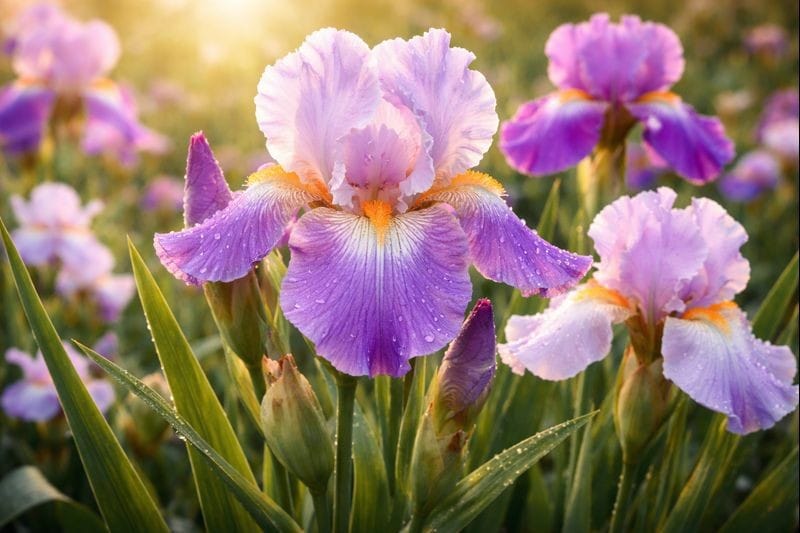
The iris flower is one of the most graceful and symbolic flowers in the world. Known for its delicate, ruffled petals and striking colors, the iris has been admired for centuries in gardens, art, mythology, and culture. Beyond its beauty, the iris flower represents hope, wisdom, courage, and faith, making it a deeply meaningful bloom.
This detailed guide covers everything you need to know about the iris flower, including its history, symbolism, types, colors, growing requirements, planting steps, care tips, propagation methods, common problems, uses, and expert advice. Whether you are a gardener, a flower lover, or simply curious, this article gives you a complete and valuable understanding of iris flowers.
What Is an Iris Flower?
The iris flower belongs to the Iris genus, which includes over 300 species of flowering plants. Irises are native to Europe, Asia, North America, and parts of Africa. They are easily recognized by their unique flower structure, which typically includes three upright petals called standards and three drooping petals known as falls.
Key features of iris flowers include:
- Distinctive petal arrangement
- Sword-like or grassy leaves
- Wide range of colors
- Growth from rhizomes or bulbs
- Perennial nature in most varieties
Irises are valued for their elegance, resilience, and ability to thrive in many climates.
Meaning and Symbolism of Iris Flower
The iris flower has rich symbolism rooted in history and mythology.
- Hope and faith
- Wisdom and courage
- Trust and loyalty
- New beginnings
In Greek mythology, Iris was the goddess of the rainbow and a messenger between gods and humans. The flower was named after her, reflecting its wide range of colors. In Christian symbolism, the iris represents faith and purity. In French culture, the iris inspired the famous fleur-de-lis, a symbol of royalty and honor.
Because of its upright growth and bold appearance, the iris often symbolizes strength combined with grace.
Types of Iris Flowers
There are several main types of iris flowers, each with unique characteristics.
Bearded Iris
- Most popular type
- Fuzzy “beard” on the falls
- Large, showy flowers
- Wide range of colors
Beardless Iris
- Smooth petals without a beard
- Includes Siberian and Japanese irises
- Elegant and refined appearance
Siberian Iris
- Slender stems and narrow leaves
- Cold-hardy and low maintenance
- Blooms in late spring
Japanese Iris
- Large, flat blooms
- Prefers moist soil
- Often grown near water features
Dutch Iris
- Grows from bulbs
- Popular in floral arrangements
- Blooms in late spring to early summer
Louisiana Iris
- Native to wetlands
- Bright colors
- Thrives in warm, moist conditions
Iris Flower Colors and Their Meanings
Iris flowers come in a stunning range of colors, each carrying its own symbolism.
- Purple iris – Wisdom, royalty, and admiration
- Blue iris – Faith, hope, and trust
- White iris – Purity and peace
- Yellow iris – Joy, friendship, and optimism
- Pink iris – Compassion and love
- Black iris – Mystery and elegance
This variety makes irises perfect for meaningful gardens and symbolic gifts.
How to Grow Iris Flowers
Iris flowers are generally easy to grow when given the right conditions.
Light Requirements
- Prefer full sun, at least 6 hours daily
- Some varieties tolerate light shade
- More sunlight means better blooms
Soil Requirements
- Well-draining soil is essential
- Slightly acidic to neutral soil
- Avoid heavy, waterlogged soil
Watering Needs
- Moderate watering
- Keep soil moist but not soggy
- Reduce watering after blooming
Temperature and Climate
- Most irises are cold-hardy
- Grow well in temperate climates
- Some varieties tolerate heat better than others
Containers vs Garden Planting
- Can be grown in containers
- Ensure good drainage
- Suitable for garden beds and borders
Step-by-Step Guide to Planting Iris
Step 1: Choose healthy rhizomes or bulbs
Step 2: Select a sunny, well-draining spot
Step 3: Dig a shallow hole
Step 4: Place rhizome horizontally with top exposed
Step 5: Cover roots lightly with soil
Step 6: Water gently after planting
Step 7: Space plants properly to allow airflow
Irises are usually planted in late summer or early fall, allowing roots to establish before winter.
Iris Flower Care Tips
Proper care helps irises bloom beautifully year after year.
- Water regularly during growth
- Fertilize lightly in early spring
- Avoid high-nitrogen fertilizers
- Remove spent flowers
- Keep rhizomes exposed to sunlight
Pruning and Maintenance
- Cut flower stalks after blooming
- Leave leaves until they yellow naturally
- Trim foliage in late fall
How to Propagate Iris Flowers
Irises are easy to propagate, making them ideal for expanding your garden.
Rhizome Division
- Dig up mature plants every 3–4 years
- Cut healthy rhizomes with a sharp tool
- Replant immediately
- Best done after flowering
Bulb Division
- Used for Dutch irises
- Separate bulbs and replant
Propagation improves flowering and prevents overcrowding.
Common Problems and Solutions
No Blooms
- Too much shade
- Overcrowding
- Excess nitrogen fertilizer
Root Rot
- Caused by poor drainage
- Improve soil and reduce watering
Pests
- Iris borers
- Aphids and slugs
Remove infected parts and maintain clean garden beds.
Leaf Spot Disease
- Fungal infection
- Improve air circulation
- Remove affected leaves
Uses of Iris Flower
Ornamental Use
- Popular in gardens and borders
- Adds structure and color
Floral Arrangements
- Used in bouquets and decorations
- Long-lasting when cut
Cultural and Symbolic Use
- Represents faith and wisdom
- Used in art, emblems, and ceremonies
Fragrance and Products
- Orris root from iris is used in perfumes
- Valued in cosmetics and aromatherapy
Tips for Healthy Iris Blooms
- Plant rhizomes shallow
- Provide plenty of sunlight
- Divide plants regularly
- Avoid overcrowding
- Keep garden clean
Interesting Facts About Iris Flower
- Named after the Greek goddess of the rainbow
- One of the oldest cultivated flowers
- Iris rhizomes are used in perfumery
- Comes in almost every color except true red
FAQs About Iris Flower
Q: How long do iris flowers bloom?
A: Most irises bloom for 2–3 weeks in spring or early summer.
Q: Are iris flowers perennial?
A: Yes, most iris varieties return every year.
Q: Can iris grow in pots?
A: Yes, with proper drainage and sunlight.
Q: Are irises toxic?
A: Yes, parts of the plant are toxic if ingested.
Q: When should irises be divided?
A: Every 3–4 years after flowering.
Final Thoughts
The iris flower is a perfect blend of beauty, meaning, and resilience. With its elegant shape, rich symbolism, and wide range of colors, it continues to inspire gardeners and flower lovers around the world. By understanding its types, care needs, and uses, you can enjoy healthy, vibrant iris blooms year after year. Whether planted in a garden, grown in containers, or admired for its symbolism, the iris remains a timeless and powerful flower.