
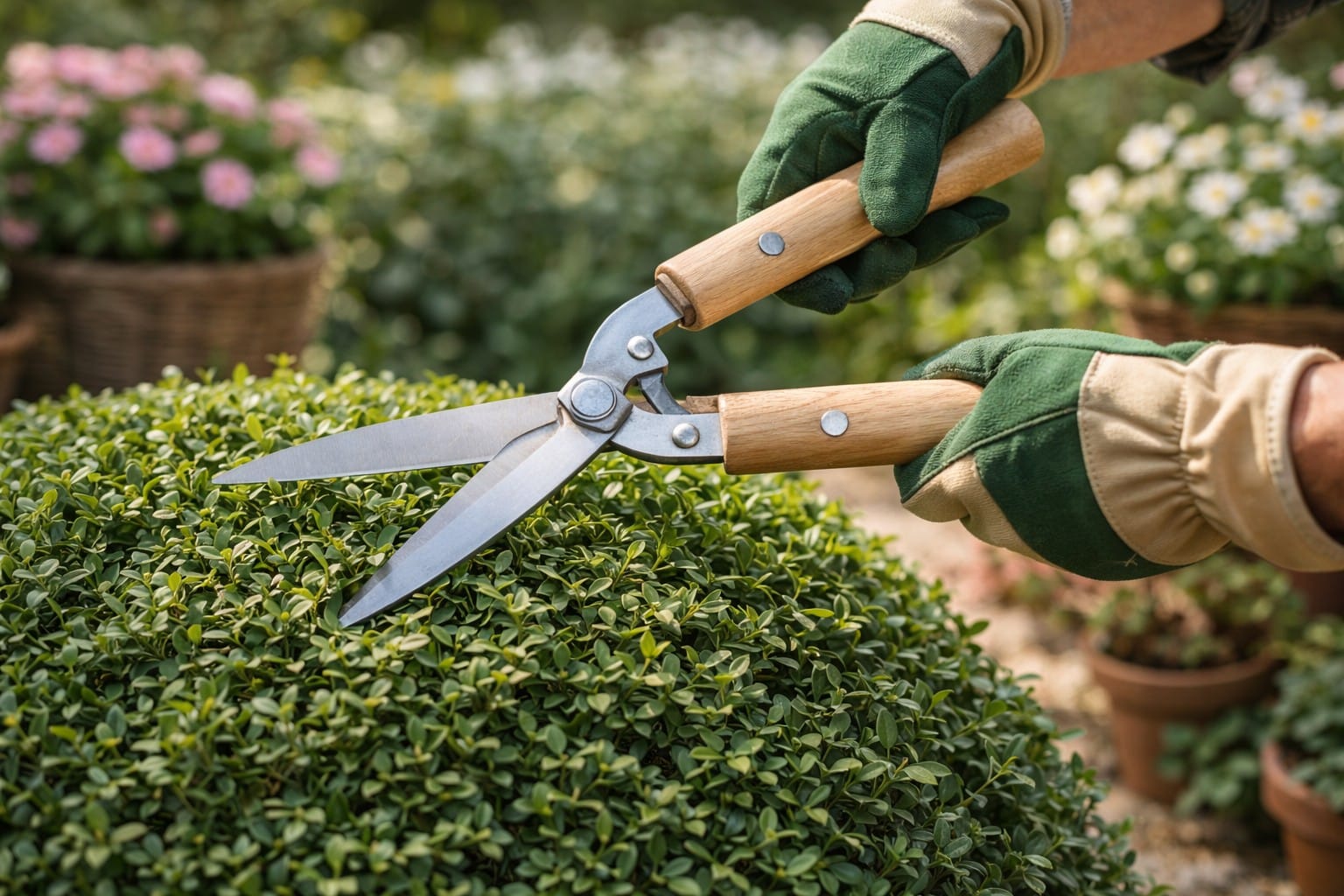
Gardening shears are one of the most important tools in any garden. Whether you are trimming flowers, pruning shrubs, harvesting herbs, or shaping plants, the right pair of gardening shears makes the job easier, cleaner, and healthier for your plants. Using proper shears helps prevent plant damage, reduces hand strain, and improves overall garden appearance.
This complete guide covers everything you need to know about gardening shears, including what they are, different types, how they work, when to use each type, buying tips, maintenance, common mistakes, safety advice, and expert insights for better gardening results.
What Are Gardening Shears
Gardening shears are hand-held cutting tools designed to trim, prune, shape, and harvest plants. They are made to create clean, precise cuts that help plants heal quickly and grow properly. Unlike knives or household scissors, gardening shears are built to handle plant stems, branches, and foliage without crushing them.
Good gardening shears are sharp, comfortable to hold, and strong enough to cut plant material without excessive force.
Why Gardening Shears Are Essential
Gardening shears play a key role in plant health and garden maintenance.
They help you:
Remove dead or damaged growth
Encourage healthy new growth
Shape plants neatly
Harvest fruits, vegetables, and herbs
Prevent disease spread
Keep gardens tidy and controlled
Using dull or incorrect tools can tear stems, stress plants, and invite disease.
Main Types of Gardening Shears
There are several types of gardening shears, each designed for specific tasks. Choosing the right one depends on what you grow and how you garden.
Hand Pruners (Pruning Shears)
Hand pruners are the most common type of gardening shears and are used for everyday cutting tasks.
Bypass Pruners
Bypass pruners have two curved blades that pass by each other, similar to scissors.
Best used for:
Live plants
Green stems
Flowers
Soft branches
They create clean cuts that heal quickly, making them ideal for most pruning tasks.
Anvil Pruners
Anvil pruners have one sharp blade that cuts against a flat surface.
Best used for:
Dead wood
Dry stems
Hard branches
They require less hand strength but can crush live stems if used incorrectly.
Hedge Shears
Hedge shears are larger, two-handed shears designed for shaping bushes and hedges.
Best used for:
Trimming hedges
Shaping shrubs
Cutting soft woody growth
They are not meant for thick branches but are excellent for creating clean lines and shapes.
Garden Scissors and Snips
These are small, lightweight shears designed for delicate tasks.
Best used for:
Harvesting herbs
Deadheading flowers
Trimming small plants
Indoor plants
They offer excellent control and precision.
Loppers
Loppers are long-handled shears that provide extra leverage.
Best used for:
Thick branches
Overgrown shrubs
Small tree limbs
They allow you to cut larger branches without climbing or straining.
Grass Shears
Grass shears are designed specifically for trimming grass edges.
Best used for:
Lawn edges
Around pathways
Hard-to-reach areas
They provide a neat finish where lawn mowers cannot reach.
What to Look for When Buying Gardening Shears
Choosing the right gardening shears makes a big difference in comfort and performance.
Blade Material
High-quality blades stay sharp longer.
Look for:
Stainless steel
Carbon steel
Coated blades for rust resistance
Sharp blades ensure clean cuts and reduce effort.
Handle Comfort
Comfort matters, especially for long gardening sessions.
Choose handles with:
Ergonomic design
Non-slip grip
Cushioned padding
This reduces hand fatigue and strain.
Cutting Capacity
Each shear type has a maximum cutting thickness.
Always check:
Maximum branch diameter
Recommended plant type
Using shears beyond their capacity can damage the tool.
Spring and Lock Mechanism
Good shears should open and close smoothly.
Look for:
Strong but flexible springs
Secure locking mechanism
Easy one-hand operation
These features improve safety and ease of use.
How to Use Gardening Shears Correctly
Proper technique improves plant health and tool longevity.
Basic cutting tips:
Cut at a slight angle
Avoid tearing stems
Make clean, single cuts
Trim just above a leaf node
Do not twist while cutting
Always use the right shear type for the task.
When to Use Gardening Shears in the Garden
Timing matters when using shears.
Common uses include:
Pruning in early spring
Deadheading during flowering
Trimming hedges in growing season
Harvesting vegetables at maturity
Removing diseased growth immediately
Avoid heavy pruning during extreme heat or frost.
Gardening Shears and Plant Health
Clean cuts help plants heal faster and reduce stress.
Benefits of proper shearing include:
Improved air circulation
Better light exposure
Reduced pest problems
Stronger plant structure
Dirty or dull shears can spread disease between plants.
Cleaning and Maintaining Gardening Shears
Maintenance keeps your shears working like new.
Cleaning
After each use:
Wipe blades clean
Remove sap and dirt
Dry thoroughly
Occasionally disinfect blades with rubbing alcohol.
Sharpening
Sharp blades are essential.
Sharpen when:
Cuts become rough
You need extra force
Blades tear stems
Use a sharpening stone or file designed for garden tools.
Oiling
Apply a light oil to:
Blades
Springs
Pivot points
This prevents rust and keeps movement smooth.
Storage
Store shears properly to extend their life.
Best storage tips:
Keep in a dry place
Hang on hooks
Lock blades closed
Avoid leaving outdoors
Safety Tips When Using Gardening Shears
Gardening shears are sharp tools and should be used carefully.
Safety tips include:
Wear gloves
Keep fingers away from blades
Lock shears when not in use
Do not carry open shears
Store out of reach of children
Proper handling prevents injuries.
Common Gardening Shear Mistakes
Many gardeners unknowingly damage plants or tools.
Common mistakes include:
Using dull blades
Cutting branches that are too thick
Using hedge shears for pruning
Not cleaning between plants
Ignoring tool maintenance
Avoiding these mistakes improves results and safety.
Gardening Shears for Beginners
Beginners do not need many tools to start.
Recommended starter shears:
Bypass pruners
Garden scissors
Small hedge shears (optional)
Focus on quality rather than quantity.
Gardening Shears for Advanced Gardeners
Experienced gardeners often need specialized tools.
Advanced options include:
Loppers for trees
Professional-grade pruners
Grass shears
Long-reach pruners
These tools improve efficiency in larger gardens.
Gardening Shears and Ergonomics
Ergonomic shears reduce strain and injury.
Helpful features include:
Angled handles
Shock absorbers
Lightweight materials
Left- or right-hand designs
These features are especially important for arthritis or joint pain.
Gardening Shears vs Pruning Saws
Shears and saws serve different purposes.
Use shears for:
Small branches
Stems
Soft growth
Use pruning saws for:
Thick branches
Hardwood
Tree limbs
Choosing the right tool prevents damage.
Frequently Asked Questions
Gardening shears are used to cut, trim, and shape plants. Bypass pruners are best for live plants, while anvil pruners work better on dead wood. Gardening shears should be cleaned and sharpened regularly. Using sharp, clean shears helps plants heal faster and reduces disease spread. Beginners should start with bypass pruners and garden scissors.
Final Thoughts
Gardening shears are one of the most valuable tools a gardener can own. They help keep plants healthy, gardens neat, and gardening tasks enjoyable. From trimming flowers and harvesting herbs to shaping hedges and pruning shrubs, the right shears make every cut easier and cleaner.
By choosing quality gardening shears, using them correctly, and maintaining them well, you protect both your plants and your hands. Whether you are a beginner or an experienced gardener, investing in the right gardening shears will improve your garden’s health, appearance, and long-term success.