
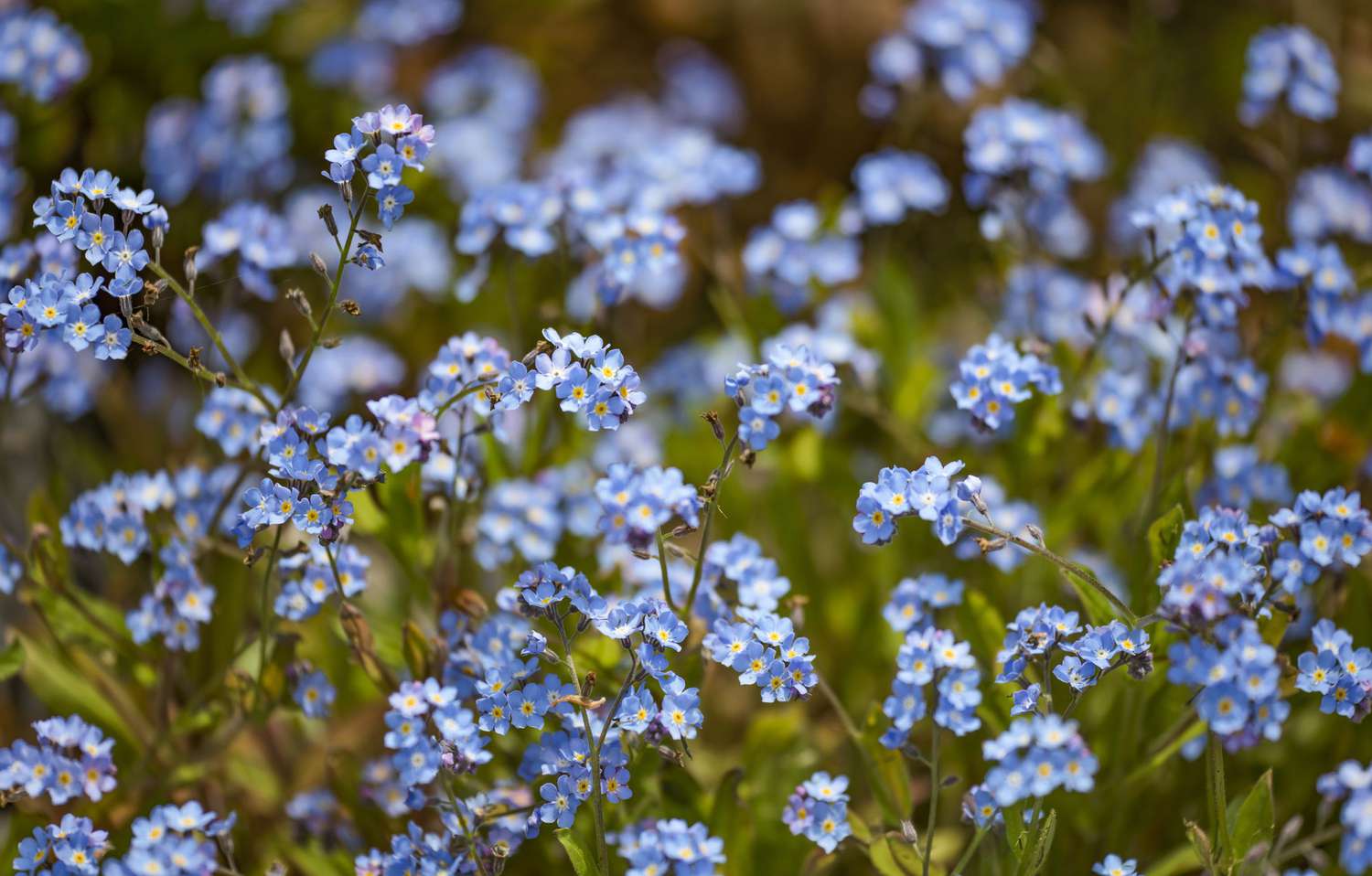
Forget-me-not flower seeds grow into charming, delicate blooms that are perfect for adding soft color and nostalgia to gardens, borders, and containers. Known for their tiny blue, pink, or white flowers with yellow centers, forget-me-nots are beloved for their romantic symbolism and ease of growth. These perennial or biennial flowers bring a sense of calm and beauty to any garden.
This guide covers everything about forget-me-not flower seeds, including types, planting, soil and sunlight requirements, watering, fertilizing, care, common problems, harvesting seeds, storage, and expert tips for successful blooms.
What Are Forget-Me-Not Flower Seeds
Forget-me-not seeds come from plants in the Myosotis genus, part of the Boraginaceae family. These seeds are small, light, and easy to sow either directly outdoors or indoors for early germination.
Key characteristics of forget-me-nots:
- Small, delicate flowers in blue, pink, or white
- Yellow centers that create a charming contrast
- Low-growing plants with soft foliage
- Long bloom season in spring and early summer
- Attract pollinators such as bees and butterflies
Forget-me-nots are ideal for ground covers, containers, and naturalized areas.
Meaning and Symbolism of Forget-Me-Nots
Forget-me-nots are rich in symbolism and are often associated with:
- Remembrance and lasting memories
- True love and fidelity
- Loyalty and friendship
- Hope and compassion
Because of their delicate appearance and symbolic meaning, they are often used in memorial gardens, weddings, and romantic plantings.
Types of Forget-Me-Not Flower Seeds
There are several types of forget-me-nots suitable for different garden needs.
True Forget-Me-Nots (Myosotis sylvatica)
- Classic garden variety
- Blue flowers with yellow centers
- Hardy biennial or short-lived perennial
Alpine Forget-Me-Nots (Myosotis alpestris)
- Small, compact flowers
- Bright blue petals
- Ideal for rock gardens or alpine beds
Siberian Forget-Me-Nots (Myosotis scorpioides)
- Grow near water or moist areas
- Blue flowers on tall stalks
- Suitable for ponds and damp borders
Other Ornamental Varieties
- Pink or white flowers
- Varieties suited for containers or edging
- Some hybrids bloom longer or have larger flowers
Choosing the right type depends on your climate, soil conditions, and desired flower appearance.
When to Plant Forget-Me-Not Seeds
Timing affects germination and bloom success.
- Direct sow outdoors in early spring or fall
- Start seeds indoors 6–8 weeks before last frost for earlier blooms
- Some types benefit from cold stratification to improve germination
- Soil temperatures of 55–65°F (13–18°C) are ideal
Preparing Forget-Me-Not Seeds for Planting
Forget-me-not seeds are tiny and may benefit from careful handling:
- Lightly moisten soil before sowing
- Press seeds gently onto the soil surface; do not bury deeply
- Keep soil evenly moist until germination
Some gardeners lightly stratify seeds in the refrigerator for 1–2 weeks to simulate winter conditions.
Soil Requirements
Forget-me-nots prefer moist, well-draining soil:
- Loamy or sandy soil
- Slightly acidic to neutral pH (6.0–7.0)
- Enriched with compost for best blooms
- Soil should retain moisture without becoming waterlogged
Good soil ensures strong roots and prolonged flowering.
How to Plant Forget-Me-Not Seeds
Direct Sowing Outdoors
- Loosen and prepare the soil
- Scatter seeds thinly
- Press gently into soil without covering
- Keep soil moist until seedlings emerge
- Thin seedlings to 6–12 inches apart
Indoor Seed Starting
- Fill seed trays with light potting mix
- Surface sow seeds
- Lightly mist soil to keep moist
- Provide bright indirect light
- Transplant seedlings after frost
Germination typically occurs in 10–14 days, depending on the variety.
Sunlight Requirements
Forget-me-nots thrive in:
- Full sun to partial shade
- Morning sun and afternoon shade are ideal in hot climates
- More shade slows flowering but keeps plants cooler
Watering Forget-Me-Not Plants
Forget-me-nots prefer consistent moisture.
- Keep soil evenly moist, especially during germination
- Mature plants tolerate short dry periods
- Avoid soggy conditions to prevent root rot
- Mulching helps retain soil moisture
Fertilizing Forget-Me-Nots
- Use light compost or balanced fertilizer at planting
- Fertilize sparingly during growth
- Excess fertilizer encourages foliage growth over flowers
Most forget-me-nots bloom well without heavy fertilization.
Growth and Blooming Timeline
Typical growth timeline:
- Germination: 10–14 days
- Seedling stage: 3–4 weeks
- First blooms: 6–8 weeks after sowing
- Peak bloom: spring and early summer
Biennial varieties often bloom in their second year.
Caring for Forget-Me-Not Plants
Forget-me-nots are low-maintenance but benefit from simple care:
- Deadhead spent flowers to prolong bloom
- Thin crowded seedlings for air circulation
- Remove damaged or diseased foliage
- Mulch lightly to control weeds and retain moisture
Common Problems and Solutions
Poor Germination
- Caused by deep sowing or dry soil
- Sow on surface and keep soil moist
Leggy Growth
- Caused by insufficient light
- Provide bright indirect sunlight or partial sun
Fungal Diseases
- Powdery mildew or leaf spot in damp conditions
- Avoid overhead watering and improve airflow
Pests
- Aphids or slugs occasionally
- Use neem oil or organic deterrents
Harvesting Forget-Me-Not Seeds
- Allow flower heads to dry naturally on the plant
- Collect small seed clusters once fully dry
- Remove seeds gently and store in paper envelopes
Storing Forget-Me-Not Seeds
- Keep seeds cool, dry, and dark
- Label with variety and date
- Seeds remain viable for 2–3 years
Forget-Me-Nots in Containers
- Use shallow pots or window boxes
- Provide well-draining soil
- Water consistently
- Partial shade works well for containers
Landscape Uses
Forget-me-nots are versatile and charming in gardens.
- Borders and edging
- Woodland gardens and shaded areas
- Containers, window boxes, and rock gardens
- Naturalized wildflower areas
- Complement spring bulbs like tulips and daffodils
Frequently Asked Questions
Are forget-me-not seeds easy to grow?
Yes, they are ideal for beginners and germinate easily.
Do forget-me-nots come back every year?
Biennials bloom in the second year; some reseed naturally.
Do forget-me-nots prefer shade or sun?
Partial shade is ideal; they tolerate full sun in cooler climates.
Are forget-me-nots deer resistant?
Mostly yes, though hungry deer may occasionally nibble.
Can forget-me-nots attract pollinators?
Yes, they attract bees, butterflies, and beneficial insects.
Expert Growing Tips
- Keep soil moist until seedlings establish
- Thin seedlings to prevent overcrowding
- Deadhead for prolonged flowering
- Use mulch to retain moisture and control weeds
- Allow some flowers to go to seed for self-sowing
Final Thoughts
Forget-me-not flower seeds are perfect for gardeners seeking delicate, charming flowers with minimal effort. Their soft blue or pink blooms, long flowering period, and ease of growth make them a favorite in borders, containers, and wildflower gardens.
With proper sunlight, moisture, and light care, forget-me-not seeds grow into lovely, nostalgic plants that brighten gardens, attract pollinators, and symbolize lasting memories and love.