
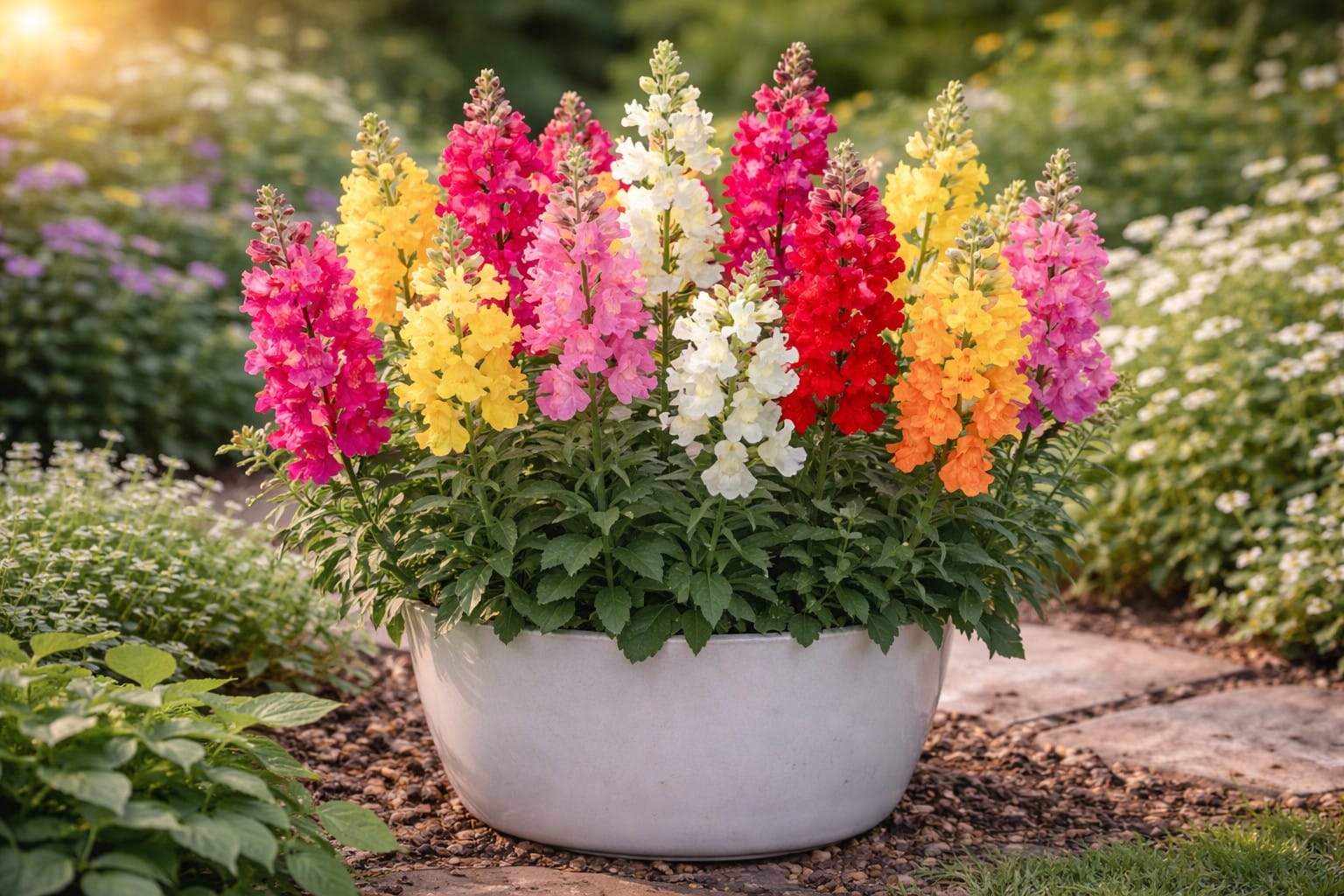
The dragon flower plant is admired for its bold appearance, unique structure, and exotic beauty. The name “dragon flower” is commonly used for plants that have dramatic, flame-like blooms or spiky, striking forms, giving them a fierce and eye-catching look. Depending on region and usage, the dragon flower may refer to Celosia (Cockscomb or Plume Celosia) or Dracocephalum (Dragonhead flower). Both are ornamental plants known for their unusual flowers and vibrant colors.
This detailed guide covers everything you need to know about the dragon flower plant, including its meaning, types, appearance, growing conditions, care tips, propagation, common problems, and landscaping uses.
What Is a Dragon Flower Plant?
The dragon flower plant is a flowering ornamental plant known for bright, textured blooms that resemble flames, crests, or dragon-like shapes. The most commonly recognized dragon flower is Celosia, especially the plume and cockscomb varieties. Another plant called Dragonhead flower (Dracocephalum) is also referred to as dragon flower in some regions due to its flower shape resembling a dragon’s mouth.
Dragon flowers are grown mainly for decorative purposes, garden color, borders, and container planting.
Meaning and Symbolism of Dragon Flower
Dragon flowers symbolize:
- Strength and courage
- Boldness and uniqueness
- Passion and creativity
- Protection and power
Because of their dramatic look, dragon flowers are often associated with confidence and individuality.
Types of Dragon Flower Plants
There are two main plant groups commonly called dragon flower.
Celosia (Dragon Flower / Cockscomb)
Celosia is the most popular dragon flower plant.
Common Types of Celosia
- Celosia cristata – Cockscomb type with brain-like crests
- Celosia plumosa – Feather-like plume flowers
- Celosia spicata – Upright, wheat-like flower spikes
Flower Colors
- Red
- Yellow
- Orange
- Pink
- Purple
Celosia flowers retain color for a long time and are also used as cut and dried flowers.
Dragonhead Flower (Dracocephalum)
Dragonhead flower is a lesser-known dragon flower plant.
- Tube-shaped flowers resembling a dragon’s mouth
- Blue, purple, or violet blooms
- Perennial in cooler climates
- Attracts bees and butterflies
This plant is more common in herb gardens and pollinator gardens.
Appearance of Dragon Flower Plant
Dragon flower plants stand out due to their:
- Unusual flower shapes
- Bright, fiery colors
- Upright growth habit
- Dense flower clusters
- Soft or velvety texture (especially Celosia)
Plant height ranges from 8 inches to over 3 feet, depending on variety.
Growing Conditions for Dragon Flower Plant
Dragon flowers are generally easy to grow and suitable for beginners.
Sunlight Requirements
- Prefers full sun
- Needs at least 6–8 hours of sunlight daily
- Can tolerate light partial shade
- More sun results in brighter colors and stronger blooms
Insufficient light may cause weak growth and fewer flowers.
Soil Requirements
- Well-draining soil is essential
- Loamy or sandy soil works best
- Soil should be rich in organic matter
- Slightly acidic to neutral pH is ideal
Avoid heavy clay soil that retains excess water.
Watering Needs
- Water regularly during early growth
- Keep soil evenly moist but not soggy
- Reduce watering once established
- Avoid waterlogging to prevent root rot
Container-grown dragon flowers may need more frequent watering.
Temperature and Climate
- Thrives in warm temperatures
- Ideal temperature range: 18°C–30°C
- Sensitive to frost
- Grown as an annual in cold climates
Dragon flower plants love heat and humidity.
How to Grow Dragon Flower from Seeds
Growing dragon flower plants from seeds is simple and cost-effective.
Seed Sowing Steps
- Sow seeds indoors 6–8 weeks before last frost
- Use light, well-draining seed-starting mix
- Press seeds gently on soil surface
- Do not cover seeds deeply
- Keep soil moist and warm
Seeds usually germinate within 7–14 days.
Transplanting Seedlings
- Transplant when seedlings are 3–4 inches tall
- Space plants 8–12 inches apart
- Harden off before moving outdoors
- Water well after transplanting
Proper spacing ensures good airflow and healthy growth.
Fertilizing Dragon Flower Plant
- Use balanced liquid fertilizer
- Feed every 3–4 weeks
- Avoid excessive nitrogen
- Compost or organic fertilizer works well
Too much fertilizer can cause more leaves and fewer flowers.
Pruning and Maintenance
- Remove faded flowers to encourage new blooms
- Pinch young plants for bushier growth
- Remove damaged or diseased leaves
- No heavy pruning required
Celosia blooms naturally last a long time.
Dragon Flower Plant in Pots
Dragon flower plants grow very well in containers.
- Choose pots with drainage holes
- Use lightweight potting mix
- Place in sunny locations
- Water when topsoil feels dry
They are perfect for balconies, patios, and indoor sunny windows.
Indoor Growing of Dragon Flower
While mainly outdoor plants, dragon flowers can grow indoors with care.
- Place near bright sunlight
- Use grow lights if needed
- Maintain warm temperature
- Avoid cold drafts
Indoor blooms may be smaller but still colorful.
Common Problems and Solutions
Yellow Leaves
- Cause: Overwatering or poor drainage
- Solution: Improve drainage and reduce watering
Wilting Plants
- Cause: Heat stress or dry soil
- Solution: Water deeply and provide mulch
Pests
- Aphids
- Spider mites
- Mealybugs
Control pests with neem oil or insecticidal soap.
Diseases
- Root rot from waterlogged soil
- Fungal leaf spots in humid conditions
Ensure good airflow and avoid wet leaves.
Benefits of Growing Dragon Flower Plant
- Adds bold color to gardens
- Easy to grow and maintain
- Excellent cut and dried flower
- Attracts pollinators
- Suitable for beginners
Dragon flowers are perfect for statement planting.
Landscaping Uses of Dragon Flower
- Garden borders
- Flower beds
- Container displays
- Pathway edging
- Mixed annual beds
Their upright form makes them excellent focal plants.
Dragon Flower as Cut and Dried Flower
- Long-lasting blooms
- Retains color when dried
- Popular in floral arrangements
- Easy to dry by hanging upside down
Celosia is especially valued in dried flower crafts.
Is Dragon Flower Plant Edible?
Some Celosia species are edible in certain cultures, especially the leaves. However:
- Not all varieties are edible
- Ornamental plants may be treated with chemicals
- Always verify before consumption
Dragonhead flower is sometimes used in herbal teas.
Final Thoughts
The dragon flower plant is a stunning, low-maintenance, and versatile flowering plant that adds drama and vibrant color to any space. Whether you grow Celosia for its fiery plumes or Dragonhead flower for its unique blossoms, this plant delivers long-lasting beauty with minimal effort.
With proper sunlight, well-draining soil, regular watering, and basic care, dragon flower plants will reward you with spectacular blooms throughout the growing season. Perfect for gardens, pots, and decorative arrangements, the dragon flower plant is an excellent choice for anyone who loves bold and exotic plants.