
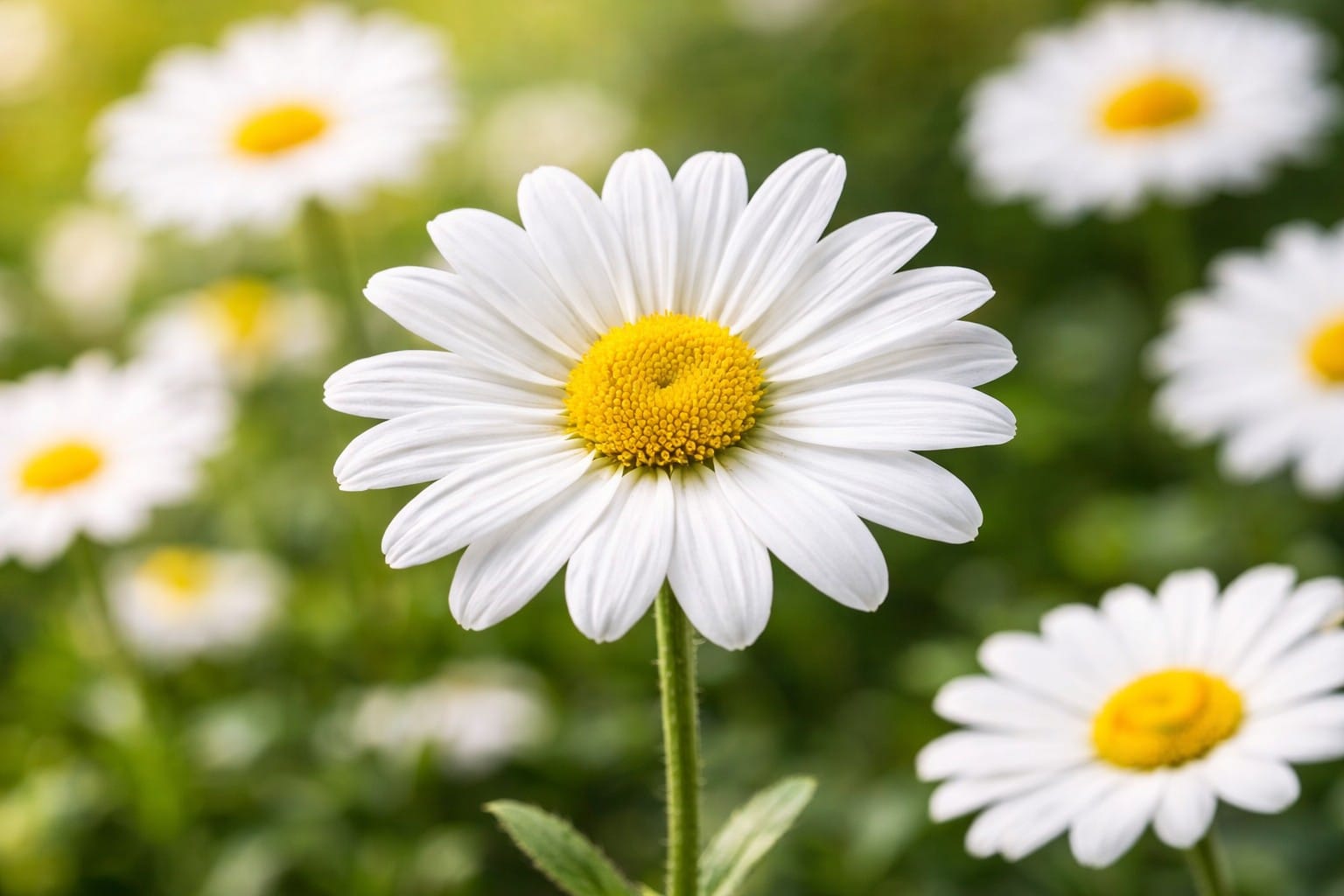
The daisy flower is one of the most loved and recognizable flowers in the world. Simple, cheerful, and timeless, daisies symbolize purity, happiness, and new beginnings. Their bright centers and delicate petals make them popular in gardens, bouquets, home décor, and even cultural traditions across many countries. Despite their soft appearance, daisies are surprisingly hardy, easy to grow, and adaptable to many climates.
This complete guide covers everything you need to know about the daisy flower, including its meaning, history, popular types, growing conditions, step-by-step care, common mistakes, pests, propagation, uses, and expert tips to help daisies thrive whether grown outdoors or enjoyed as cut flowers.
What Is a Daisy Flower
A daisy is a flowering plant belonging to the Asteraceae family, one of the largest plant families in the world. The classic daisy look includes white petals surrounding a yellow center, but daisies actually come in many colors, shapes, and sizes.
Key characteristics of daisies include:
- A central disc surrounded by ray petals
- Bright, cheerful appearance
- Long blooming season
- Fast growth
- Strong adaptability
The word “daisy” comes from an old English phrase meaning “day’s eye,” because the flower opens during the day and closes at night.
Meaning and Symbolism of Daisy Flowers
Daisies carry deep symbolic meaning in many cultures.
Common meanings include:
- Purity and innocence
- New beginnings
- True love
- Cheerfulness
- Loyalty and trust
White daisies are often linked to innocence, while colorful daisies represent joy, energy, and creativity. Daisies are commonly used in weddings, celebrations, and gifts meant to express happiness and sincerity.
Popular Types of Daisy Flowers
There are many plants commonly called daisies, each with unique traits.
Shasta Daisy
One of the most popular garden daisies.
Features:
- White petals with yellow centers
- Tall, upright growth
- Long blooming period
Shasta daisies are easy to grow and ideal for flower beds and borders.
Gerbera Daisy
Known for bold colors and large blooms.
Characteristics:
- Bright red, pink, orange, yellow, and white flowers
- Thick stems
- Popular as cut flowers
Gerbera daisies prefer warm climates and bright light.
Oxeye Daisy
A wildflower commonly found in meadows.
Why it’s loved:
- Simple classic daisy appearance
- Very hardy
- Grows easily in poor soil
It spreads easily and requires little care.
English Daisy
Small but charming.
Features:
- Compact growth
- Pink, red, or white flowers
- Cool-season blooming
Often used as ground cover or edging plants.
African Daisy
A sun-loving daisy variety.
Why it stands out:
- Vibrant colors
- Dark centers
- Blooms open in sunlight
Perfect for warm climates and containers.
Where Daisy Flowers Grow Best
Daisies grow naturally in temperate regions, but many varieties adapt well to different climates.
Best growing conditions include:
- Mild to warm temperatures
- Plenty of sunlight
- Well-draining soil
- Moderate watering
Some daisies tolerate cold winters, while others thrive in warm, dry conditions.
How to Grow Daisy Flowers
Growing daisies is simple, even for beginners.
Sunlight Requirements
Daisies love sunlight.
Ideal light conditions:
- Full sun for best blooms
- At least 6 hours of sunlight daily
- Partial shade in very hot climates
More sun means more flowers.
Soil Needs
Daisies prefer light, well-draining soil.
Best soil conditions:
- Loose, fertile soil
- Neutral to slightly acidic pH
- Good drainage
Heavy, waterlogged soil can cause root problems.
Watering Daisy Flowers
Daisies need consistent but moderate watering.
Watering tips:
- Water when top soil feels dry
- Avoid soggy soil
- Reduce watering in cooler weather
Once established, many daisies become drought-tolerant.
Planting Daisy Flowers Step by Step
Follow these simple steps for successful planting.
- Choose a sunny location
- Prepare soil by loosening it
- Dig a hole slightly larger than the root ball
- Place plant at soil level
- Fill with soil and press gently
- Water thoroughly
Spacing plants properly allows good airflow and healthy growth.
Caring for Daisy Flowers
Daisy care is easy and low-maintenance.
Fertilizing
Daisies are not heavy feeders.
Fertilizing tips:
- Use balanced fertilizer once a month
- Avoid over-fertilizing
- Compost works well
Too much fertilizer causes leafy growth instead of flowers.
Deadheading
Removing spent blooms encourages more flowers.
Benefits of deadheading:
- Longer blooming season
- Neater appearance
- Healthier plants
Simply pinch or cut faded flowers.
Pruning
Light pruning keeps daisies compact.
When to prune:
- After blooming slows
- At the end of the growing season
Pruning promotes fresh growth.
Growing Daisies in Pots
Many daisy varieties grow well in containers.
Tips for container growing:
- Use pots with drainage holes
- Choose well-draining potting mix
- Place in a sunny spot
- Water more frequently than ground plants
Container daisies are perfect for balconies and patios.
Common Problems With Daisy Flowers
Daisies are tough, but issues can still occur.
Yellow Leaves
Possible causes:
- Overwatering
- Poor drainage
- Nutrient imbalance
Adjust watering and soil quality.
Few or No Blooms
Common reasons include:
- Lack of sunlight
- Over-fertilizing
- Crowded plants
Move plants to brighter areas if needed.
Pests
Common daisy pests include:
- Aphids
- Spider mites
- Thrips
Treat infestations with neem oil or insecticidal soap.
Diseases
Occasional problems include:
- Powdery mildew
- Root rot
Proper spacing and airflow help prevent disease.
How to Propagate Daisy Flowers
Daisies are easy to propagate.
Common methods include:
- Division
- Seeds
- Cuttings (for some types)
Division is the fastest and most reliable method.
Dividing Daisies
Steps:
- Dig up mature plant
- Separate roots carefully
- Replant sections
- Water well
Division keeps plants healthy and prevents overcrowding.
Seasonal Care for Daisies
Daisy care changes slightly with the seasons.
Spring:
- Fertilize lightly
- Begin regular watering
Summer:
- Deadhead regularly
- Water during dry periods
Fall:
- Reduce watering
- Prepare for dormancy
Winter:
- Some varieties die back
- Mulch protects roots in cold climates
Uses of Daisy Flowers
Daisies are versatile and widely used.
Common uses include:
- Garden borders
- Flower beds
- Bouquets and arrangements
- Wedding décor
- Symbolic gifts
They blend well with other flowers and greenery.
Are Daisy Flowers Edible
Some daisies are edible in small amounts.
Uses include:
- Garnishing salads
- Herbal teas
- Decorative food presentation
Always confirm the variety before consuming.
Daisy Flowers and Pollinators
Daisies are excellent for pollinators.
They attract:
- Bees
- Butterflies
- Beneficial insects
Planting daisies supports local ecosystems.
Common Mistakes to Avoid
Avoid these errors for healthier plants.
- Overwatering
- Too much shade
- Ignoring deadheading
- Crowding plants
- Over-fertilizing
Simple care habits lead to better blooms.
Frequently Asked Questions
Daisy flowers bloom best in full sun. They are easy to grow and suitable for beginners. Deadheading extends blooming. Most daisies return year after year. With proper care, daisies can bloom for several months.
Final Thoughts
The daisy flower is a perfect blend of beauty, simplicity, and resilience. Its cheerful appearance brightens gardens and homes, while its easy care makes it suitable for gardeners of all experience levels. From classic white Shasta daisies to colorful gerberas and African daisies, there is a daisy for every space and style.
With proper sunlight, well-draining soil, regular deadheading, and basic care, daisies reward you with long-lasting blooms and joyful color. Whether planted in the ground, grown in pots, or used in floral arrangements, daisy flowers remain a timeless favorite that never goes out of style.