
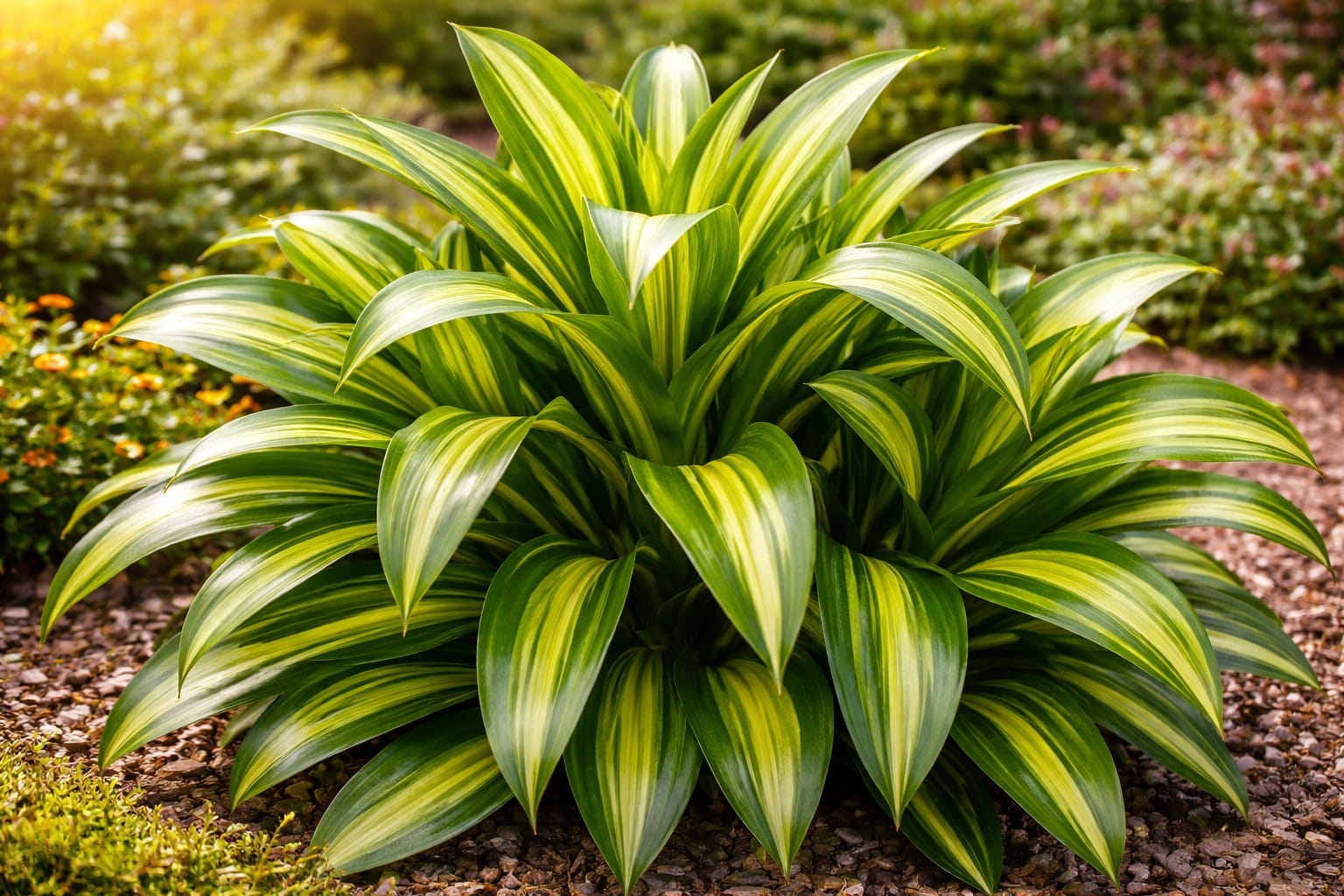
The corn plant, botanically known as Dracaena fragrans, is one of the most popular and reliable indoor houseplants. Loved for its long arching leaves, cane-like stems, and low-maintenance nature, the corn plant is ideal for homes, offices, and apartments. It tolerates low light, irregular watering, and indoor conditions better than most plants, making it a favorite for beginners and busy plant lovers.
This in-depth guide covers everything you need to know about the corn plant, including identification, types, light and water needs, soil, care, pruning, propagation, common problems, benefits, and expert tips for keeping it healthy for years.
What Is a Corn Plant
The corn plant is a tropical evergreen houseplant native to Africa. It gets its common name from its broad, glossy leaves that resemble corn leaves. Despite the name, it is not related to actual corn.
Key characteristics of the corn plant:
Tall, upright cane-like stems
Long green or striped leaves
Slow to moderate growth
Excellent indoor adaptability
Strong air-purifying qualities
Corn plants can grow 4–6 feet tall indoors, and even taller in ideal conditions.
Meaning and Symbolism of the Corn Plant
The corn plant symbolizes:
Growth and stability
Positive energy
Longevity and resilience
Good luck and prosperity
In feng shui, corn plants are often used to promote balance and calm energy in living and work spaces.
Popular Types of Corn Plants
There are several attractive varieties of Dracaena fragrans.
Dracaena fragrans ‘Massangeana’
Green leaves with yellow center stripe
Most common variety
Very tolerant of low light
Dracaena fragrans ‘Janet Craig’
Solid dark green leaves
Excellent for offices
Very hardy and adaptable
Dracaena fragrans ‘Lemon Lime’
Bright green leaves with yellow edges
More colorful appearance
Needs brighter indirect light
Dracaena fragrans ‘Warneckii’
Green leaves with white or gray stripes
Elegant, upright look
Slightly more light required
Each variety has similar care needs with small light differences.
Where Corn Plants Grow Best
Corn plants thrive indoors and adapt well to many environments.
Best locations:
Living rooms and bedrooms
Office spaces and hallways
Apartments with low or medium light
Corners near windows with filtered light
They are perfect for indoor spaces where other plants struggle.
Light Requirements
Corn plants prefer bright, indirect light but tolerate low light extremely well.
Ideal lighting conditions:
Bright filtered sunlight
Medium indoor light
Low light tolerated with slower growth
Avoid direct sunlight, which can scorch the leaves and cause brown patches.
Soil Requirements
Well-draining soil is essential for corn plant health.
Best soil type:
Light, loose potting mix
Good drainage
Slightly acidic to neutral pH
Avoid heavy garden soil
A standard houseplant potting mix with added perlite works well.
Watering Corn Plants
Corn plants prefer moderate watering.
Watering guidelines:
Water when top 1–2 inches of soil are dry
Water thoroughly, then drain excess
Reduce watering in winter
Never let plant sit in water
Overwatering is the most common cause of corn plant problems.
Humidity and Temperature
Corn plants prefer warm indoor conditions.
Ideal temperature range:
65–85°F (18–29°C)
Avoid cold drafts and sudden temperature changes
Humidity preferences:
Average indoor humidity is fine
Higher humidity promotes lush leaves
Occasional misting is helpful but optional
Fertilizing Corn Plants
Corn plants are light feeders.
Fertilizer tips:
Feed once a month during spring and summer
Use diluted balanced liquid fertilizer
Do not fertilize in winter
Too much fertilizer can cause leaf burn and salt buildup.
Growth Rate and Size
Corn plants grow slowly but steadily.
Growth details:
Indoor height: 4–6 feet
Canes grow thicker over time
Leaves grow in rosettes from the top
Older leaves naturally drop as plant grows
With proper care, corn plants can live for decades.
Pruning and Shaping
Pruning helps control height and shape.
How to prune:
Cut canes to desired height
New shoots will grow below the cut
Remove yellow or damaged leaves
Use clean, sharp tools
Pruning encourages fuller, bushier growth.
Propagating Corn Plants
Corn plants are easy to propagate.
Cane Cuttings
Most common method
Cut a healthy cane section
Allow cut end to dry for a few hours
Plant in moist, well-draining soil
Water Propagation
Place cane cutting in water
Change water weekly
Transfer to soil once roots form
Propagation is best done in spring or summer.
Repotting Corn Plants
Repotting keeps roots healthy.
Repotting tips:
Repot every 2–3 years
Choose pot one size larger
Ensure drainage holes
Refresh soil during repotting
Root-bound plants may show slowed growth.
Common Corn Plant Problems
Yellow Leaves
Caused by overwatering or poor drainage
Allow soil to dry and adjust watering
Brown Leaf Tips
Caused by low humidity or fluoride in water
Use distilled or filtered water
Increase humidity slightly
Drooping Leaves
Caused by underwatering or cold stress
Water thoroughly and move to warm area
Pests
Spider mites, mealybugs, scale
Wipe leaves and treat with neem oil
Root Rot
Caused by constant wet soil
Repot in fresh, dry soil
Is the Corn Plant Toxic
Corn plants are toxic to pets.
Safety notes:
Toxic to cats and dogs
Causes vomiting or drooling if ingested
Keep out of reach of pets
Not harmful to humans when handled normally.
Air-Purifying Benefits
Corn plants are known for improving indoor air quality.
They help remove:
Formaldehyde
Benzene
Trichloroethylene
They contribute to cleaner indoor air and a healthier environment.
Corn Plant in Containers
Corn plants grow well in pots.
Container tips:
Use sturdy pots for tall plants
Ensure proper drainage
Rotate plant occasionally for even growth
Use decorative pots for interior styling
They make excellent floor plants.
Corn Plant in Interior Design
Corn plants are widely used in home décor.
Design uses:
Modern and minimalist interiors
Office reception areas
Bedrooms and living rooms
Corners and empty spaces
Their upright shape adds structure and elegance.
Frequently Asked Questions
Is the corn plant easy to care for?
Yes, it is one of the easiest houseplants.
Can corn plants grow in low light?
Yes, they tolerate low light very well.
How often should I water a corn plant?
When the top soil feels dry.
Do corn plants need sunlight?
They prefer bright indirect light but adapt to low light.
How long do corn plants live?
Many years with proper care.
Expert Care Tips
Less water is better than too much
Avoid direct sunlight
Use filtered or distilled water
Clean leaves regularly
Rotate plant for balanced growth
Final Thoughts
The corn plant (Dracaena fragrans) is a classic, dependable, and stylish houseplant that fits almost any indoor environment. Its ability to thrive in low light, tolerate missed waterings, and improve air quality makes it ideal for beginners and experienced plant owners alike.
With simple care, proper watering, and indirect light, the corn plant will reward you with tall, lush greenery and long-lasting beauty, making it one of the best indoor plants you can grow.