
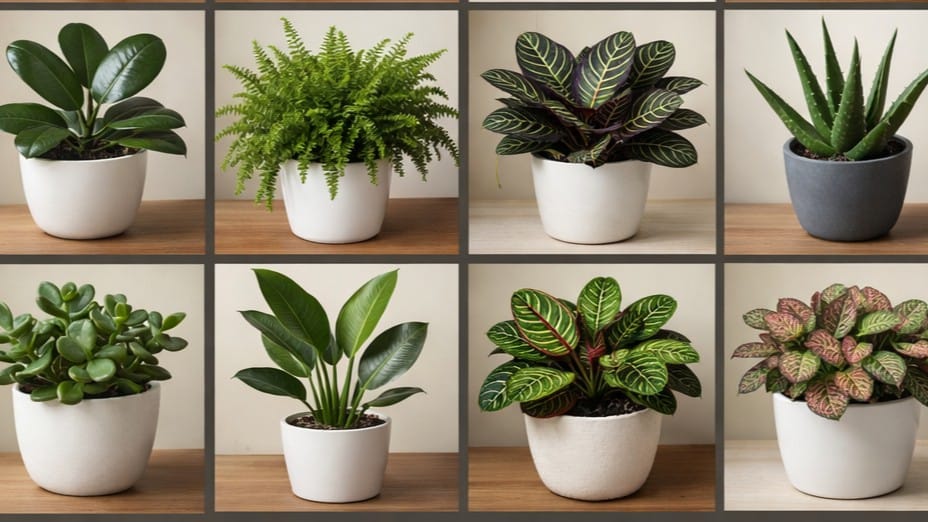
Houseplants are one of the easiest ways to add life, color, and freshness to any home. They can improve air quality, reduce stress, and even boost your mood. While there are thousands of plant varieties, some stand out as popular, easy-to-care-for, and versatile — the ones we call common houseplants.
This guide will cover everything you need to know about common houseplants: the best varieties, care tips, placement, watering, lighting, common mistakes, and expert advice to help your indoor garden thrive. Whether you are a beginner or an experienced plant parent, this guide has you covered.
Why Houseplants Are Popular
People love houseplants for many reasons:
- Air purification: Many houseplants remove toxins like formaldehyde and benzene from indoor air.
- Aesthetics: Plants brighten up a room and add texture, color, and style.
- Mental health: Caring for plants reduces stress and improves focus.
- Accessibility: Many common houseplants are easy to grow indoors, even with minimal light or experience.
Common houseplants are popular because they are resilient, low-maintenance, and attractive, making them perfect for homes, offices, and apartments.
Top Common Houseplants
Here are some of the most popular and widely grown houseplants, along with care tips and placement suggestions:
1. Snake Plant (Sansevieria)
- Description: Tall, upright leaves with green and yellow patterns.
- Light: Low to bright indirect light.
- Water: Drought-tolerant; water every 2–3 weeks.
- Benefits: Excellent air purifier, especially at night.
- Tips: Avoid overwatering; leaves can rot if left in soggy soil.
2. Spider Plant (Chlorophytum comosum)
- Description: Long, arching green leaves with white stripes; produces baby “pups.”
- Light: Bright, indirect light.
- Water: Keep soil slightly moist; do not overwater.
- Benefits: Removes carbon monoxide and xylene from indoor air.
- Tips: Plant pups in new pots to create a fuller display.
3. Pothos (Epipremnum aureum)
- Description: Trailing vine with heart-shaped green leaves, sometimes variegated.
- Light: Low to bright indirect light.
- Water: Water when soil is dry to the touch.
- Benefits: Easy to grow and propagate; great for hanging pots or shelves.
- Tips: Prune regularly to maintain shape and encourage growth.
4. Peace Lily (Spathiphyllum)
- Description: Glossy green leaves with white, hood-shaped flowers.
- Light: Low to medium indirect light.
- Water: Keep soil moist; do not let it dry out completely.
- Benefits: Filters ammonia, benzene, and formaldehyde from the air.
- Tips: Wipe leaves to remove dust; fertilize in spring and summer.
5. ZZ Plant (Zamioculcas zamiifolia)
- Description: Thick, waxy leaves that grow in a feather-like pattern.
- Light: Low to bright indirect light.
- Water: Water sparingly; drought-tolerant.
- Benefits: Very hardy and almost indestructible; ideal for beginners.
- Tips: Avoid overwatering; yellowing leaves indicate too much water.
6. Rubber Plant (Ficus elastica)
- Description: Broad, shiny, dark green leaves; can grow tall indoors.
- Light: Bright, indirect light.
- Water: Keep soil moderately moist.
- Benefits: Adds height and drama to rooms; improves indoor air quality.
- Tips: Wipe leaves to remove dust; prune regularly for shape.
7. Aloe Vera
- Description: Succulent with thick, fleshy leaves containing gel.
- Light: Bright, indirect sunlight.
- Water: Allow soil to dry between watering.
- Benefits: Air-purifying and has medicinal uses.
- Tips: Avoid overwatering; use well-draining soil.
8. Philodendron
- Description: Heart-shaped leaves; climbing or trailing varieties.
- Light: Low to bright indirect light.
- Water: Water when the top inch of soil is dry.
- Benefits: Easy to grow, ideal for hanging baskets or shelves.
- Tips: Prune regularly; use support stakes for climbing varieties.
9. Boston Fern (Nephrolepis exaltata)
- Description: Lush, feathery green fronds; adds a tropical feel.
- Light: Indirect light; avoid direct sunlight.
- Water: Keep soil moist; loves humidity.
- Benefits: Excellent air purifier; adds softness to rooms.
- Tips: Mist leaves in dry environments; trim dead fronds regularly.
10. Jade Plant (Crassula ovata)
- Description: Thick, succulent leaves on woody stems.
- Light: Bright, indirect light.
- Water: Allow soil to dry between watering; drought-tolerant.
- Benefits: Low-maintenance; believed to bring luck.
- Tips: Avoid overwatering; prune to encourage shape and growth.
How to Care for Common Houseplants
Even “easy” plants need proper care to thrive. Here are essential tips:
Light Requirements
- Low light: Snake plant, ZZ plant, pothos, peace lily
- Medium light: Spider plant, philodendron, rubber plant
- Bright light: Aloe vera, jade plant
Rotate plants regularly so all sides receive light. Avoid placing sensitive plants in direct sunlight, which can scorch leaves.
Watering Tips
- Check soil before watering; most houseplants prefer the top inch to dry out first.
- Avoid letting plants sit in water; ensure proper drainage.
- Succulents like aloe and jade need less frequent watering than tropical plants.
Soil and Pots
- Use well-draining potting soil suited to each plant type.
- Choose pots with drainage holes to prevent root rot.
- Consider decorative outer pots to enhance aesthetics while maintaining proper drainage.
Humidity and Temperature
- Most houseplants thrive in 60–75°F (15–24°C).
- Tropical plants like ferns and peace lilies prefer higher humidity.
- Avoid placing plants near cold drafts or heating vents.
Fertilization
- Fertilize during the growing season (spring and summer).
- Use a balanced houseplant fertilizer every 4–6 weeks.
- Avoid fertilizing in winter when growth slows.
Common Mistakes to Avoid
- Overwatering: The leading cause of houseplant death.
- Ignoring light needs: Even low-light plants need some indirect sunlight.
- Overcrowding plants: Can reduce airflow and lead to pests or disease.
- Neglecting pruning: Dead leaves and stems can hinder growth.
- Using the wrong soil: Garden soil is too dense and can cause root rot.
Creative Ways to Display Common Houseplants
- Hanging Baskets: Ideal for trailing plants like pothos and spider plants.
- Window Gardens: Perfect for bright-light succulents and herbs.
- Plant Corners: Grouping larger plants like rubber plants and ferns creates a tropical feel.
- Shelving Displays: Use shelves for small plants like aloe, philodendron, and spider plants.
- Decorative Pots: Match pot color and texture with room decor.
Expert Tips for Thriving Houseplants
- Inspect plants regularly for pests like gnats, aphids, or spider mites.
- Rotate pots to ensure even growth toward light.
- Wipe leaves to remove dust and improve photosynthesis.
- Combine plant varieties with different textures and heights for visual interest.
- Start with hardy plants like snake plants or ZZ plants if you’re a beginner.
FAQs About Common Houseplants
Q: What is the easiest houseplant for beginners?
A: Snake plants and ZZ plants are nearly indestructible and require minimal care.
Q: How often should I water common houseplants?
A: Most prefer the soil to dry slightly between watering; succulents need less frequent watering than tropical plants.
Q: Can houseplants purify indoor air?
A: Yes, many common houseplants like snake plants, peace lilies, and spider plants improve air quality.
Q: Are houseplants safe for pets?
A: Some are safe, like spider plants and ponytail palms, but others, like peace lilies and pothos, are toxic if ingested. Always check plant safety.
Q: How do I propagate common houseplants?
A: Many can be propagated through cuttings, division, or leaf propagation. Pothos and spider plants are especially easy to propagate.
Final Thoughts
Common houseplants are versatile, resilient, and bring life to any indoor space. By understanding their light, water, soil, and care needs, you can create a thriving indoor garden. From beginner-friendly snake plants and ZZ plants to decorative ferns and philodendrons, there’s a common houseplant for every home and style.
With the right placement, proper watering, and regular maintenance, your plants will not only survive but flourish, purifying the air, enhancing your space, and boosting your mood every day.