
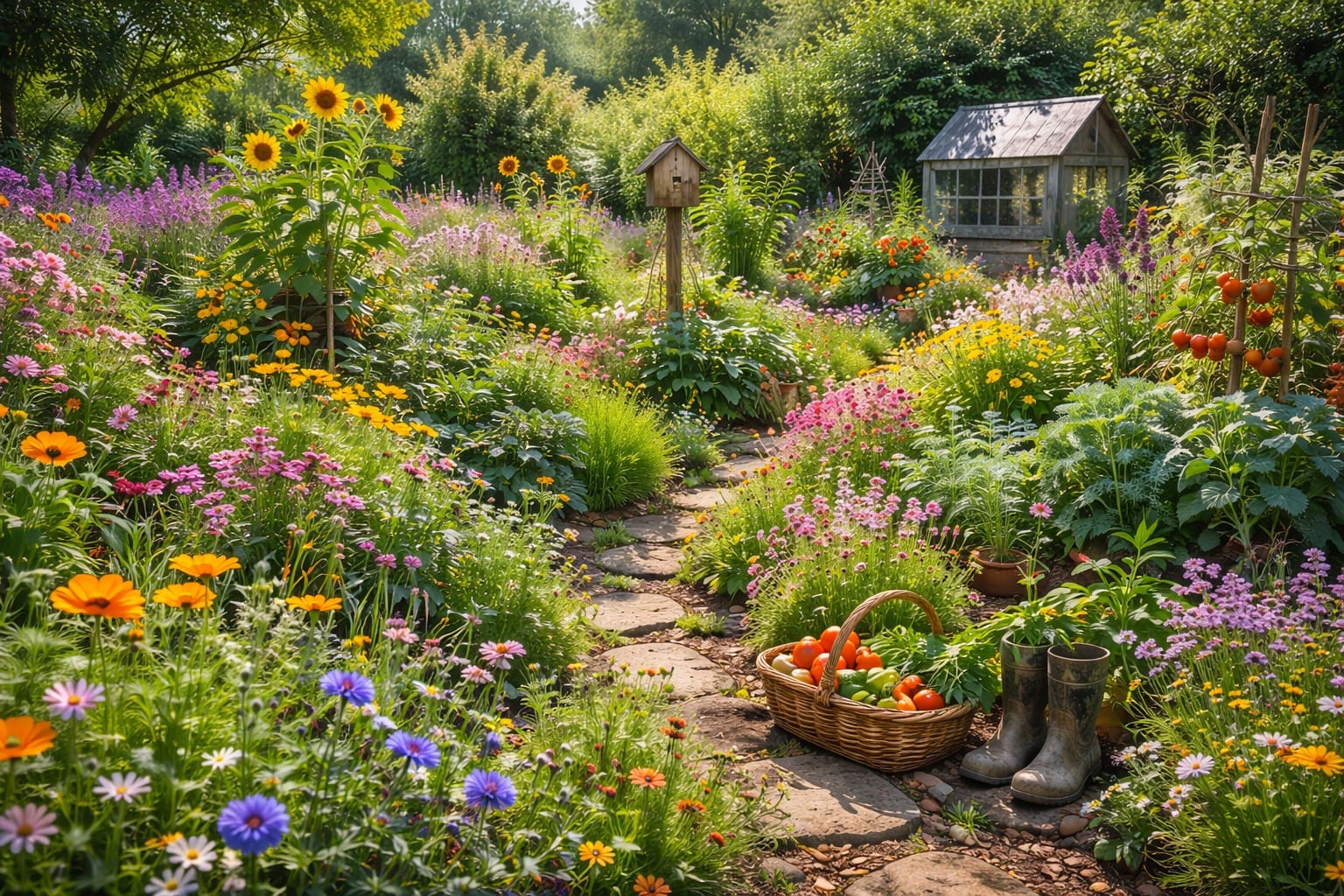
Chaos gardening isn’t about disorder or neglect — it’s a method of letting nature lead, creating landscapes that are low‑maintenance, wildlife‑friendly, and rich in biodiversity. Instead of rigid rows and strict designs, chaos gardening embraces organic patterns, mixed plantings, and ecological balance. It’s ideal for people who love gardens that look alive, dynamic, and self‑sustaining over time.
This complete guide explains everything about chaos gardening — what it is, why it’s popular, how to start, the benefits and challenges, planting principles, design ideas, maintenance tips, and common questions so you can create a beautiful, functional garden with minimal effort.
What Is Chaos Gardening
Chaos gardening is a gardening philosophy that values natural growth patterns over formal structure. Rather than meticulously planting single‑species beds, chaos gardeners mix plants freely, allowing them to grow together in an unstructured way. The result feels wild, free, and full of life — like nature, only curated just enough to be beautiful and sustainable.
Chaos gardening is not an excuse for neglect. Instead, it’s a balanced approach where you guide the garden without controlling every detail.
Why Chaos Gardening Works
Chaos gardening reflects how plants behave in nature:
• Plants grow together naturally in mixed communities, not tidy rows
• Supportive ecosystems form, attracting beneficial insects and birds
• Soil improves over time as natural processes work
• Weeds blend into the aesthetic and become part of the system
• Maintenance is lower once systems stabilize
Instead of fighting nature, you partner with it.
The Benefits of Chaos Gardening
Chaos gardening offers many positives:
1. Low Maintenance
Mixed plantings reduce pest pressure, soil depletion, and constant replanting.
You spend less time managing and more time observing.
2. Supports Wildlife
Pollinators, birds, and beneficial insects thrive in mixed, diverse plantings.
3. Soil Health Improves
Different plants feed and support soil microbes in various ways.
4. Resilient Systems
Diversity means fewer total failures — if one plant suffers, others fill space.
5. Year‑Round Interest
Plants of different heights and seasons create dynamic visuals throughout the year.
6. Reduced Waste
Fewer resources spent on tidy beds and repeat plantings.
Chaos Gardening vs Traditional Gardening
| Feature | Traditional Gardening | Chaos Gardening |
|---|---|---|
| Plant Arrangement | Structured rows | Mixed plant communities |
| Maintenance | High | Moderate to low |
| Emphasis | Formal design and symmetry | Ecological function and natural look |
| Weed Control | Intensive weeding | Weeds partially accepted |
| Biodiversity | Often limited | High diversity |
Chaos gardening is about patterns without rigidity.
Where Chaos Gardening Works Best
Chaos gardening works in:
• Natural landscapes
• Wildflower gardens
• Meadow and prairie plantings
• Cottage gardens
• Edges and borders
• Areas with nutrient‑rich soil
• Large spaces that tolerate overlapping growth
It can also be adapted to small gardens and containers with thoughtful planning.
How to Start a Chaos Garden
Here’s a step‑by‑step approach to creating your own chaos garden.
Step 1: Observe the Site
Look at sunlight patterns, soil type, moisture levels, and wind exposure.
Observe what already grows well.
Step 2: Select a Broad Palette of Plants
Choose a variety of plants that thrive in your conditions:
• Perennials
• Grasses
• Herbs
• Flowering plants
• Groundcovers
• Native species
Aim for plants that support one another, bloom at different times, and attract pollinators.
Step 3: Mix Plant Types
Instead of blocks of one plant, mix:
• Tall and short
• Flowering and leafy
• Early and late bloomers
• Herbs and grasses
This creates layers and natural diversity.
Step 4: Create Loose Groupings
Place plants in rough clumps or clusters that feel random, but still consider height and sunlight needs.
Step 5: Allow Natural Spread
Chaos gardening accepts self‑seeders and volunteer plants.
Some volunteers become long‑term residents.
Step 6: Add Natural Elements
Logs, rocks, wild mulch, and leaf litter enhance habitat and reduce soil disturbance.
Choosing Plants for Chaos Gardening
Plant selection is key.
Native Plants
Native species adapted to local conditions require less care and benefit wildlife.
Examples:
• Coneflower
• Black‑eyed Susan
• Coreopsis
• Goldenrod
• Asters
Pollinator‑Friendly Flowers
These help bees, butterflies, and beneficial insects.
Examples:
• Lavender
• Salvia
• Milkweed
• Bee balm
Grasses and Structural Plants
Grasses add texture and winter interest.
Examples:
• Switchgrass
• Fountain grass
• Blue fescue
Herbs and Groundcovers
Groundcovers fill gaps and help suppress unwanted weeds.
Examples:
• Thyme
• Ajuga
• Creeping rosemary
Chaos Gardening Principles
1. Embrace Diversity
More species means stronger ecological balance.
2. Limit Soil Disturbance
Minimize digging so soil microorganisms thrive.
3. Accept Volunteers
Volunteer seedlings are part of the ecosystem; allow some to stay.
4. Create Layers
Use plants of varied heights and textures for depth.
5. Plan for Succession
Plantings should provide blooms and interest throughout the season.
Designing Chaos Gardens That Look Intentional
Even though chaos gardening is “wild,” good results come from design principles:
Balance
Ensure visual weight across the garden — plants of similar height in clusters.
Repetition
Repeat certain plants or colors to create rhythm.
Focal Points
Add rocks, a bench, or a tree to anchor design.
Pathways
Natural paths can be guided with stepping stones, mulch, or grass swaths.
Watering and Maintenance in Chaos Gardens
Chaos gardens require less frequent but thoughtful watering.
Watering tips:
• Water deeply and less often
• Focus on new plants first season
• Reduce water as plants adapt
Maintenance is minimal once established, but periodic checks help keep the garden healthy.
Weed Control and Chaos Gardening
Weeds are partly part of the charm, but not all weeds are welcome.
Weed tips:
• Remove invasive weeds by hand
• Accept low‑growing volunteers
• Mulch supports soil and suppresses unwelcome weeds
Selective weeding preserves ecological balance.
Common Mistakes to Avoid
Avoid these missteps:
1. Over‑clearing soil:
Chaos gardening benefits from natural soil structure.
2. Forcing order:
Too much trimming defeats the purpose.
3. Ignoring plant needs:
Even in chaos gardens, plants have sunlight and soil preferences.
4. Removing all volunteers:
Some volunteers help fill gaps and provide biodiversity.
Benefits for Wildlife
Chaos gardens are excellent habitats for:
• Bees and butterflies
• Birds and nesting insects
• Predatory insects that control pests
By providing nectar, pollen, shelter, and natural materials, these gardens become mini ecosystems.
Seasonal Care for Chaos Gardens
• Spring: Thinning and tidying
• Summer: Water deeply early morning
• Fall: Leave seedheads for winter birds
• Winter: Less maintenance, some cutting back in late season
Seasonal rhythm helps the garden evolve naturally.
Chaos Gardening in Small Spaces
Chaos gardening can be adapted to small or urban spaces:
• Use mixed container plantings
• Vertical element with vines
• Grouped planters with varied species
• Small swaths of diverse plants rather than neat rows
Even small chaos gardens bring biodiversity and beauty.
Chaos Gardening Myths
Myth: Chaos gardening is just messy.
Truth: It’s purposeful diversity with ecological balance.
Myth: You don’t care for plants.
Truth: You care differently, focusing on harmony rather than control.
Frequently Asked Questions
Is chaos gardening just letting plants run wild?
No — it guides natural growth with planning and thoughtful selection.
Does chaos gardening mean no maintenance?
No — maintenance is strategic and minimal, not absent.
Can chaos gardening work with vegetables?
Yes — mixed plantings, herbs, and flowers can create productive, diverse plots.
Final Thoughts
Chaos gardening is not about neglect or disorder. It’s about working with nature instead of against it. By embracing plant diversity, organic patterns, and ecological balance, gardeners create spaces that are both beautiful and resilient.
Chaos gardening blends artistry and biology. With thoughtful plant choices, flexible design, and minimal intervention, you can create a garden that thrives, surprises, and evolves naturally. It’s a garden style that looks alive — because it truly is.
If you want, I can also provide plant lists by region or light conditions specifically for chaos gardening — just tell me your climate or the kind of plants you want!