
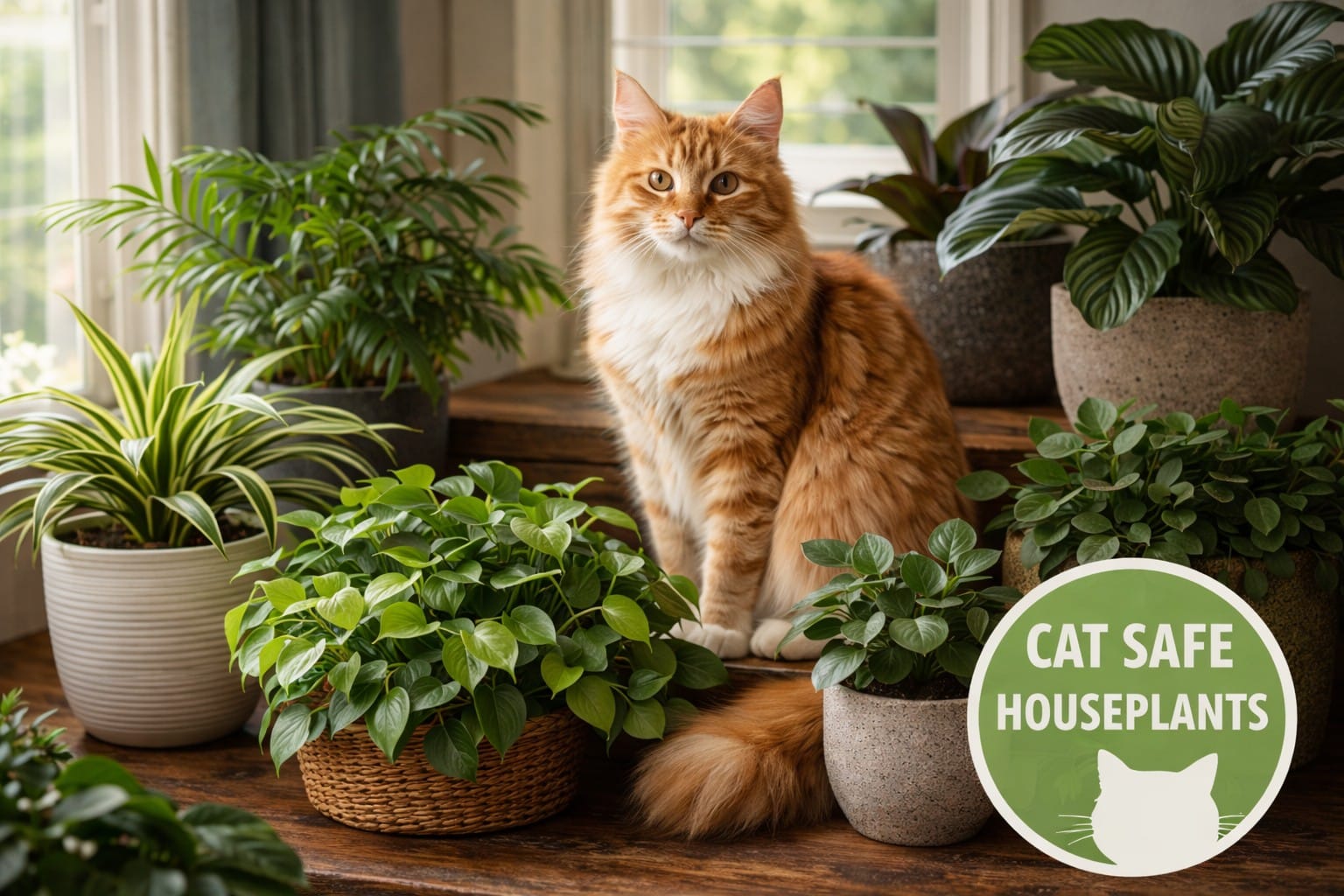
Bringing greenery into your home is rewarding, but if you have cats, choosing the right plants is crucial. Many common houseplants can be toxic to cats, causing vomiting, diarrhea, or worse. Fortunately, there are plenty of cat-safe houseplants that are both beautiful and non-toxic, allowing you to create a lush indoor garden without worrying about your feline friends.
This guide covers everything you need to know about cat-friendly plants, care tips, common mistakes, and expert advice.
Why Cat Safe Houseplants Are Important
Cats are naturally curious and may nibble on leaves or dig in soil. While some plants are harmless, many popular houseplants contain compounds that can be toxic to cats. Choosing non-toxic plants helps prevent:
- Digestive upset
- Allergic reactions
- Kidney or liver damage (in severe cases)
By selecting safe plants, you can protect your cat while still enjoying greenery indoors.
Top Cat Safe Houseplants
Here are some of the most popular pet-friendly plants:
1. Spider Plant (Chlorophytum comosum)
- Benefits: Easy to grow, air-purifying
- Care: Thrives in indirect light, water moderately
- Tips: Cats often like to nibble on its leaves, but it’s safe
2. Areca Palm (Dypsis lutescens)
- Benefits: Adds tropical vibes, improves air quality
- Care: Bright, indirect light; keep soil lightly moist
- Tips: Tall and graceful, perfect for corners
3. Boston Fern (Nephrolepis exaltata)
- Benefits: Lush, decorative foliage
- Care: Needs high humidity and indirect light
- Tips: Keep soil consistently moist, mist leaves occasionally
4. Calathea (Calathea spp.)
- Benefits: Striking, patterned leaves, non-toxic
- Care: Prefers medium to low light, moderate watering
- Tips: Rotate leaves occasionally for even growth
5. Ponytail Palm (Beaucarnea recurvata)
- Benefits: Hardy, slow-growing, safe for cats
- Care: Bright light, minimal watering
- Tips: Great for desks or small indoor spaces
6. Baby Rubber Plant (Peperomia obtusifolia)
- Benefits: Compact, easy-care succulent
- Care: Moderate light, water when soil dries
- Tips: Ideal for shelves or tabletops
7. Money Tree (Pachira aquatica)
- Benefits: Symbolic for good luck, safe for pets
- Care: Indirect light, water weekly
- Tips: Can grow tall — trim as needed
How to Choose Cat Safe Plants
When choosing plants for a cat-friendly home:
- Check toxicity: Refer to reputable sources like ASPCA or Pet Poison Helpline.
- Consider plant placement: Keep plants out of high-traffic areas if cats tend to jump or dig.
- Think about size and growth: Tall, sturdy plants are harder for cats to knock over.
Care Tips for Cat Safe Houseplants
Light
- Most cat-safe plants prefer bright, indirect light.
- Low-light plants like spider plants and calathea can survive in shaded areas.
Watering
- Avoid overwatering — it can lead to root rot.
- Check soil before watering; most safe houseplants like slightly moist soil.
Soil & Potting
- Use well-draining soil to prevent waterlogging.
- Pots with drainage holes are ideal.
- Consider using decorative outer pots to protect floors from spills.
Maintenance
- Remove dead leaves to prevent your cat from chewing spoiled foliage.
- Wipe leaves to remove dust and keep air-purifying plants effective.
Cat-Friendly Indoor Garden Ideas
- Window Garden: Place small pots like spider plants and peperomia on windowsills.
- Hanging Planters: Keep ferns or trailing plants out of reach but visible.
- Corner Jungle: Combine larger plants like areca palms and money trees for a lush feel.
- Plant Shelf: Arrange baby rubber plants and calatheas on staggered shelves.
Common Mistakes to Avoid
- Ignoring toxicity: Always double-check before buying a plant.
- Placing plants within reach of heavy chewers: Even non-toxic plants can cause stomach upset if overconsumed.
- Overwatering: Root rot is a common problem.
- Overcrowding pots: Cats may knock over or dig in crowded pots.
Seasonal Care for Cat-Safe Plants
Spring & Summer
- Plants grow faster, so monitor soil moisture.
- Fertilize lightly for healthy foliage.
Fall & Winter
- Growth slows; water less.
- Move plants away from cold drafts or heating vents.
FAQs About Cat Safe Houseplants
Are all ferns safe for cats?
Not all. Boston ferns and maidenhair ferns are safe, but some ferns like asparagus fern are toxic.
Can cats eat spider plants?
Yes. Spider plants are safe, but eating too much may cause mild digestive upset.
Do indoor plants affect cat behavior?
Yes. Cats often enjoy nibbling or playing with safe plants, which can help reduce boredom.
How many plants can I safely have around cats?
As many as you like — just ensure they are non-toxic and monitor interactions.
Are herbs safe for cats?
Most culinary herbs like basil, thyme, and parsley are safe in small amounts. Avoid chives, garlic, and onions.
Expert Tips for a Pet-Friendly Indoor Garden
- Mix trailing, tall, and tabletop plants for variety.
- Provide a cat grass pot or dedicated nibbling plant to redirect chewing.
- Rotate plants to give cats fresh exploration opportunities.
- Avoid chemical fertilizers that could be harmful to pets.
Final Thoughts
Creating a cat-safe indoor garden is possible without sacrificing style or greenery. By choosing non-toxic plants, placing them thoughtfully, and maintaining them properly, you can enjoy a lush home environment while keeping your feline friends safe and happy.
Safe, beautiful plants like spider plants, calatheas, and ponytail palms allow your cats to explore and play without risk — making your home greener and more pet-friendly.