
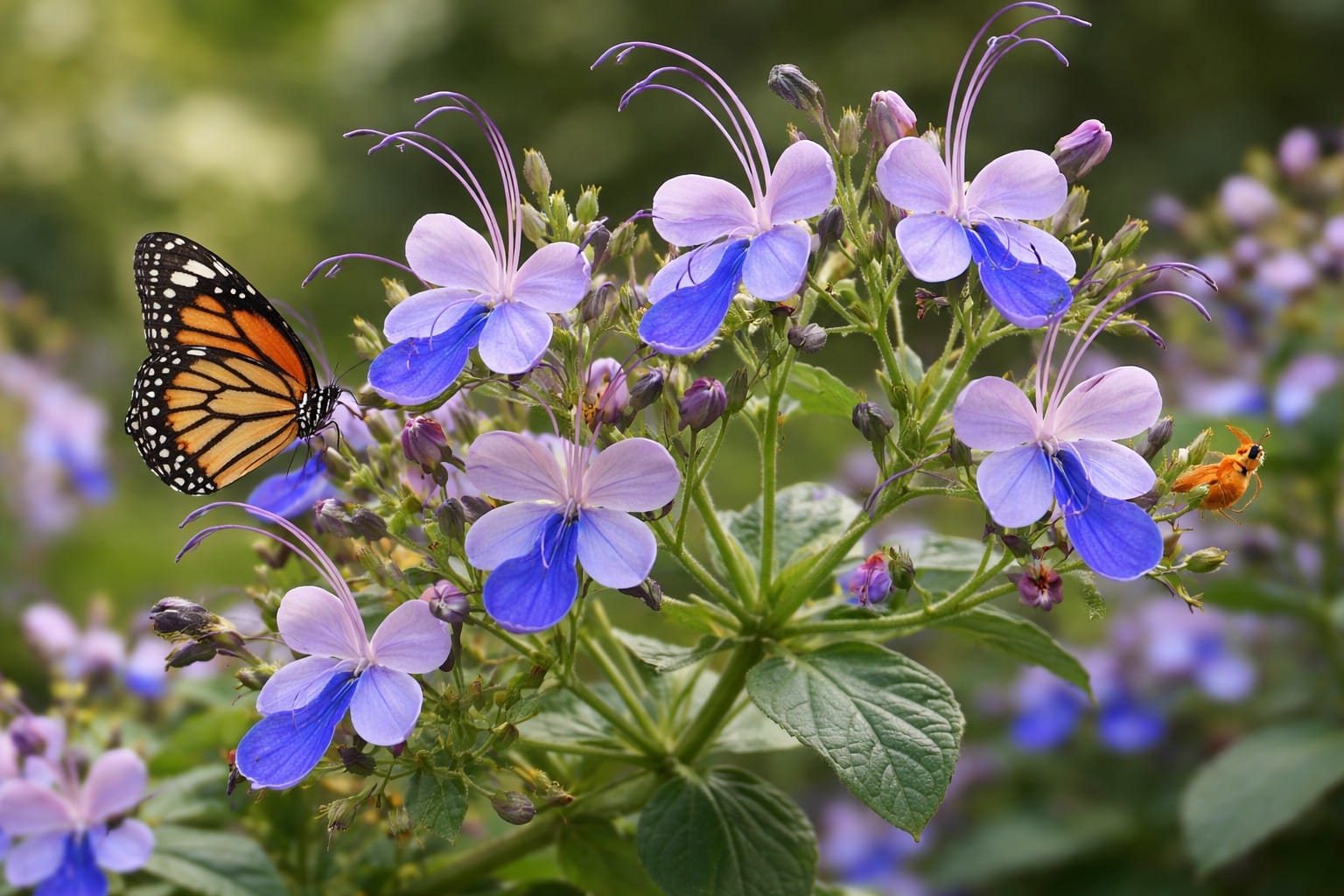
Butterflies are among the most enchanting visitors to any garden, and nothing draws them in like vibrant, nectar-rich butterfly flower plants. These plants not only add stunning color and fragrance to your garden but also support local ecosystems by attracting pollinators like bees, hummingbirds, and of course, butterflies. Butterfly gardens have grown in popularity among gardeners and eco-conscious homeowners because they combine beauty with functionality. A well-designed butterfly garden can become a lively, colorful oasis that thrives from spring through fall, providing food, shelter, and breeding spaces for these delicate insects.
This complete guide covers everything about butterfly flower plants: popular varieties, growing conditions, planting techniques, care, seasonal tips, attracting butterflies, common problems, and expert advice for long-lasting blooms.
Why Butterfly Flower Plants Are Important
Butterfly flower plants are more than just decorative additions. They have several ecological and personal benefits:
- Attract Pollinators: Butterflies, bees, and hummingbirds help pollinate flowers, fruits, and vegetables.
- Increase Garden Health: A pollinator-friendly garden boosts biodiversity, soil health, and pest control.
- Provide Food for Caterpillars: Some plants, like milkweed, are host plants where butterfly larvae grow.
- Visual Appeal: Vibrant colors and diverse flower shapes make your garden lively and attractive.
- Environmental Contribution: Supporting butterflies helps maintain local ecosystems and biodiversity.
Butterfly plants combine aesthetics with purpose, creating a garden that is beautiful, dynamic, and eco-friendly.
Key Features of Butterfly Flower Plants
When selecting plants for a butterfly garden, consider the following features:
- Bright Colors: Butterflies are attracted to red, orange, yellow, purple, and pink flowers.
- Nectar-Rich: Flowers must produce enough nectar to feed adult butterflies.
- Continuous Blooms: Plants that bloom from spring to fall provide a consistent food source.
- Low Pesticide Needs: Avoid toxic chemicals that harm butterflies and pollinators.
- Diverse Flower Shapes: Tubular, clustered, and flat flowers attract different butterfly species.
Combining these features in your garden ensures a healthy, thriving butterfly habitat.
Popular Butterfly Flower Plants
Here is a detailed list of butterfly-attracting plants, including bloom colors, seasons, and care tips.
1. Milkweed (Asclepias spp.)
- Colors: Pink, orange, white
- Bloom season: Mid-summer to fall
- Care: Full sun, well-draining soil, moderate water
- Benefits: Essential host plant for monarch butterflies; seeds produce new plants naturally
2. Butterfly Bush (Buddleja davidii)
- Colors: Purple, pink, white
- Bloom season: Summer to early fall
- Care: Full sun, well-draining soil, prune after flowering
- Benefits: Long, fragrant flower spikes attract many butterfly species; blooms continuously
3. Zinnia
- Colors: Red, orange, yellow, pink, white, purple
- Bloom season: Summer to frost
- Care: Full sun, moderate water, fertilize lightly
- Benefits: Easy to grow from seed; flowers produce abundant nectar
4. Lantana
- Colors: Red, orange, yellow, pink, purple
- Bloom season: Summer through fall
- Care: Full sun, drought-tolerant, minimal maintenance
- Benefits: Attracts butterflies and hummingbirds; tolerant to heat and dry conditions
5. Coneflower (Echinacea)
- Colors: Pink, purple, white, yellow
- Bloom season: Summer to fall
- Care: Full sun, well-draining soil, drought-tolerant
- Benefits: Long-lasting flowers; attracts butterflies and bees
6. Marigold (Tagetes)
- Colors: Yellow, orange, gold
- Bloom season: Summer to frost
- Care: Full sun, well-draining soil, moderate watering
- Benefits: Easy to grow; adds bright colors to butterfly gardens
7. Verbena
- Colors: Purple, red, pink, white
- Bloom season: Spring through fall
- Care: Full sun, well-draining soil, moderate watering
- Benefits: Clusters of small flowers provide abundant nectar; excellent for container planting
8. Cosmos
- Colors: Pink, white, red, purple
- Bloom season: Summer to early fall
- Care: Full sun, moderately fertile soil, water occasionally
- Benefits: Long bloom period; easy to grow from seeds; attracts many butterfly species
9. Salvia
- Colors: Purple, red, blue, pink
- Bloom season: Late spring to fall
- Care: Full sun, well-draining soil, low to moderate watering
- Benefits: Tubular flowers attract hummingbirds and butterflies; low maintenance
10. Aster
- Colors: Purple, blue, pink, white
- Bloom season: Late summer to fall
- Care: Full sun to partial shade, moderate water, well-draining soil
- Benefits: Late-season blooms provide nectar when other flowers fade
Growing Conditions for Butterfly Flower Plants
To ensure healthy plants and abundant blooms, follow these guidelines:
Sunlight:
- Most butterfly plants require 6–8 hours of direct sunlight
- Partial shade may reduce flower production but works for some species like asters
Soil:
- Well-draining, moderately fertile soil
- Slightly acidic to neutral pH
- Add compost or organic matter for better growth
Watering:
- Water young plants regularly
- Established plants tolerate drought (e.g., lantana, coneflowers)
- Avoid overwatering to prevent root rot
Fertilizer:
- Use balanced fertilizer or compost
- Avoid excess nitrogen, which encourages leafy growth but fewer flowers
Planting Butterfly Flower Plants
Step-by-step guide:
- Choose location: Full sun is preferred; partial shade for shade-tolerant species
- Prepare soil: Loosen soil and add compost
- Plant spacing: Space 12–24 inches apart depending on species
- Planting depth: Plant seeds or seedlings at the correct depth
- Watering: Water immediately after planting
- Mulching: Helps retain moisture and suppress weeds
Proper planting ensures good airflow, strong roots, and vibrant blooms.
Seasonal Care Tips
Spring:
- Sow seeds or plant seedlings
- Fertilize lightly
- Prune winter-damaged plants
Summer:
- Water regularly, especially during heat
- Deadhead spent blooms to encourage more flowers
- Watch for pests
Fall:
- Harvest seeds for next year
- Continue deadheading
- Protect perennials with mulch
Winter:
- Some butterfly plants die back; perennials can be pruned
- Container plants may be moved indoors or protected from frost
Attracting Butterflies and Other Pollinators
To maximize butterfly visits:
- Plant in clusters: Group 3–5 plants of the same type for visual appeal
- Use diverse flower shapes: Tubular, flat, and clustered flowers attract different species
- Avoid pesticides: Chemicals can harm butterflies and other pollinators
- Add host plants: Milkweed for monarchs, fennel or parsley for swallowtails
- Provide water: Shallow dishes or damp sand for butterflies to drink
- Add perching spots: Rocks or flat surfaces allow butterflies to rest
A well-designed butterfly garden becomes a bustling ecosystem full of color and life.
Common Problems and Solutions
1. Pests:
- Aphids, spider mites, and caterpillars may feed on leaves
- Solution: Use insecticidal soap or manual removal
2. Diseases:
- Powdery mildew, leaf spots, and root rot can occur in damp or overcrowded conditions
- Solution: Improve spacing, airflow, and water management
3. Poor Flowering:
- Cause: Too little sunlight, over-fertilization, or drought
- Solution: Adjust sunlight, water correctly, and fertilize moderately
4. Wilting:
- Cause: Heat stress or inconsistent watering
- Solution: Provide mulch and consistent hydration
Best Butterfly Flower Plants for Containers
- Zinnia
- Marigold
- Cosmos
- Verbena
- Lantana
Container planting is ideal for balconies, patios, or small gardens. Containers can be moved to optimize sunlight and create layered displays.
Combining Butterfly Plants for Maximum Impact
- Plant tall flowers like butterfly bush or coneflowers at the back of the garden
- Place medium-height flowers like zinnias and cosmos in the middle
- Add ground cover or low blooms like lantana and verbena in front
- Mix colors and shapes for continuous bloom and pollinator appeal
This layered approach creates a visually stunning, butterfly-friendly garden.
Final Thoughts
Butterfly flower plants are more than just ornamental—they are a bridge between beauty and ecology. By carefully selecting nectar-rich, brightly colored, and easy-to-grow plants, you can attract a variety of butterflies while supporting local ecosystems.
With proper sunlight, soil, watering, fertilization, and seasonal care, these plants bloom continuously from spring through fall, creating a lively, colorful, and pollinator-friendly paradise.
Whether you’re planting a dedicated butterfly garden, enhancing borders, or growing containers, butterfly flower plants provide endless visual appeal, ecological benefits, and gardening satisfaction. 🌸🦋🌿