
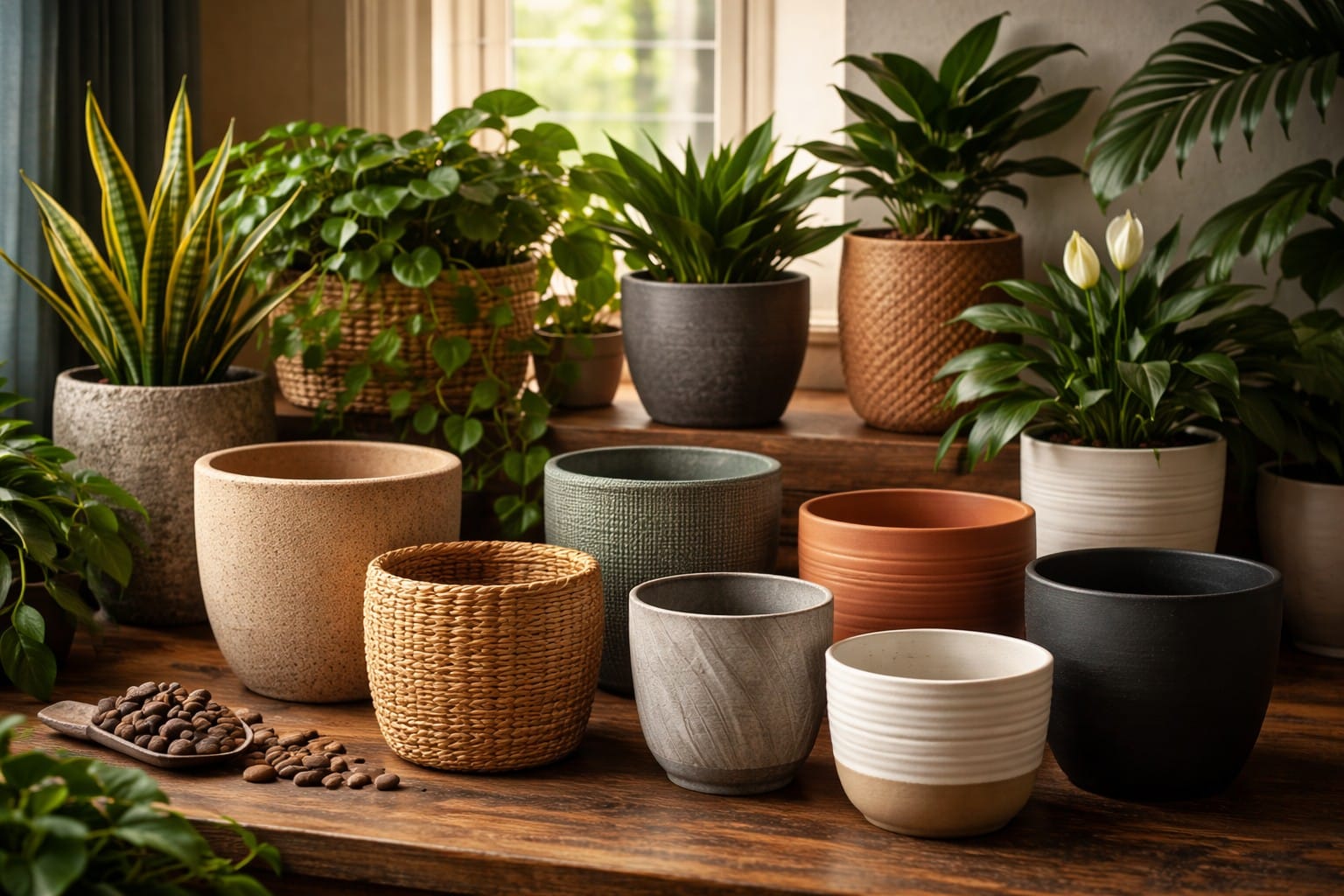
Houseplants can brighten a room, clean the air, and make any space feel cozy. But one thing many plant lovers overlook is the flower pot. The pot you choose affects how well your plant grows, how often you water, and how beautiful your space looks. This guide will walk you through everything you need to know about flower pots for houseplants — from types and materials to sizes, drainage, creative ideas, mistakes to avoid, and expert tips.
We’ve written this in an easy, friendly way so you can make great choices, even if you’re new to indoor gardening.
Why the Right Flower Pot Matters
Flower pots are not just decoration. They are the homes where your plants live. The right pot:
- Helps roots breathe and grow
- Keeps soil moisture balanced
- Prevents rotting and stress
- Shows off your plant beautifully
Choosing poorly can lead to soggy soil, root rot, stunted growth, and unhappy plants.
What to Consider Before Buying a Pot
Before you pick a pot, think about these key things:
Size
- Too small: Roots get crowded and the plant can stop growing.
- Too large: Soil stays wet too long, causing root rot.
Rule of thumb: Choose a pot that is 1–2 inches larger in diameter than your plant’s current root ball.
Drainage
Good drainage is essential. Water needs to flow out so roots don’t drown.
- Drainage hole? Yes — most plants need one.
- No hole? Use pots without holes only for plants that like being moist, or use them as cachepots (decorative outer pots) with a nursery pot inside.
Material
Different materials affect moisture, temperature, and weight.
Types of Flower Pots for Houseplants
Ceramic Pots
These are often glazed, colorful, and decorative.
Pros:
- Beautiful and stylish
- Good for stable indoor environments
Cons:
- Can be heavy
- Glazed pots may not let soil breathe
Best for: Living rooms, offices, bigger plants
Terracotta (Clay) Pots
Classic, earthy pots that are popular with gardeners.
Pros:
- Breathable — good for soil aeration
- Affordable
Cons:
- Dry out faster (good for thirsty plants but needs more watering)
- Can break easily if dropped
Best for: Succulents, cacti, herbs
Plastic Pots
Lightweight and practical.
Pros:
- Easy to move
- Many sizes and colors
- Holds moisture longer
Cons:
- Can look cheap
- Not as decorative
Best for: Beginners, renters, outdoor-to-indoor plants
Fiberglass & Resin Pots
Modern, lightweight alternatives to ceramic.
Pros:
- Strong and durable
- Lightweight
Cons:
- Can be pricier
Best for: Large plants, minimalist interiors
Concrete Pots
Heavy-duty and trendy.
Pros:
- Very stable (great for tall plants)
- Modern look
Cons:
- Very heavy
- Can dry soil fast
Best for: Floor plants, modern decor
How to Choose the Right Pot for Your Plant
Match Pot to Plant Type
- Plants that like moisture (e.g., peace lilies): pots that hold water well.
- Plants that hate wet feet (e.g., snake plants): pots with good drainage and breathable materials.
- Succulents & cacti: small terracotta pots work great.
Size Comparison Tip
Let’s say your plant’s root ball is about 4 inches wide:
- Choose a pot 5–6 inches wide
- That gives room to grow without drowning the roots
Drainage: The Most Important Feature
Even pretty pots need drainage. Here’s how to handle it:
Pots With Holes
Best choice for most plants.
- Allows excess water to escape
- Prevents root rot
- Works well with saucers to catch spills
Pots Without Holes (Cachepots)
Good for decorative use.
- Place a plant inside a plastic nursery pot
- Water the plant in the inner pot
- Remove excess water so roots don’t sit in water
Simple Drainage Tips
- Add gravel or pebbles at the bottom before soil (optional)
- Always check water runoff after watering
Soil and Potting Mix
Good soil feeds and supports your plant.
- General houseplants: all-purpose potting mix
- Cacti & succulents: fast-draining mix
- Orchids: chunky bark mix
Never use garden soil — it’s too dense for pots.
Step-by-Step: How to Pot a Houseplant
- Pick the right pot.
- Add fresh potting mix.
- Remove the plant from its old pot.
- Loosen roots gently.
- Place plant in new pot.
- Fill with soil around plant.
- Lightly water until water drains.
Tips While Potting
- Don’t plant too deep — soil should be slightly below the pot rim.
- Tap the pot lightly to settle soil and remove air pockets.
- Water slowly so soil wets evenly.
Placement and Light
Where you keep the pot matters:
- Bright windowsill: succulents, herbs
- Indirect light: ferns, pothos, peace lily
- Low light corners: snake plant, ZZ plant
Too much sun can fade pots and scorch leaves. Rotate your plants weekly for even growth.
Watering and Care
How often you water depends on pot and plant type:
- Terracotta dries fast — check soil before watering
- Plastic or glazed pots hold moisture longer
- Finger test: poke soil 1–2 inches deep — if dry, water
Never water on a schedule only. Look at the soil and plant condition instead.
Mistakes to Avoid
Choosing Pots by Looks Only
Pretty pots are fine, but function comes first. A beautiful pot without drainage will harm many plants.
Overpotting
A huge pot makes soil stay wet too long. It can drown roots.
Constant Repotting
Only repot when growth calls for it — usually every 1–2 years.
Decor Ideas With Flower Pots
Color Themes
- Choose pots in neutral tones for a calm look
- Use bright pots to highlight plants
Grouping Pots
Group three pots of different heights for a balanced display.
Hanging Pots
Great for trailing plants like pothos or ivy.
Window Garden
Place small pots on a sunny sill with herbs or small succulents.
Creative and Budget-Friendly Options
DIY Painted Pots
Use acrylic paint to decorate terracotta pots.
Upcycled Containers
- Old mugs
- Wooden boxes
- Ceramic bowls
Just make sure there’s drainage — drill holes if needed.
Seasonal Care
Summer
- Plants grow faster — water more often
- Move pots to bright spots for growth
Winter
- Most plants slow down — water less
- Avoid cold drafts near windows
FAQs About Flower Pots for Houseplants
Do houseplants need specific pots?
Yes. Different plants prefer different conditions — drainage, size, and material matter for plant health.
Can I reuse old pots?
Yes — but clean them with mild soap and water before reusing to prevent disease.
Should I put rocks at the bottom of the pot?
Not necessary. It doesn’t improve drainage much. Good soil and drainage holes are more important.
How often should I repot?
Usually every 1–2 years or when roots grow out of the drainage holes.
Can decorative pots without holes work?
Yes — if used as a cachepot with a plant in a separate pot inside.
Expert Tips to Keep Plants Thriving
- Water only when the top inch of soil is dry.
- Rotate pots so plants grow evenly toward the light.
- Use matching saucers to protect furniture.
- Choose lighter pots for spaces you move plants often.
Final Thoughts
Flower pots are more than just containers. They influence how water moves, how roots grow, and how your houseplants thrive. With the right pots for your plants, your indoor garden will not only look beautiful, it will be healthier too.
Choose pots by size, drainage, and plant needs. Don’t forget style — a lovely pot can turn a good plant into an eye-catching piece of decor.
Now that you know how to pick, plant, and care for plants in the right pots, your houseplants can flourish and make your home shine.
Would you like best plant recommendations for specific rooms or light conditions? I can help with that too!