
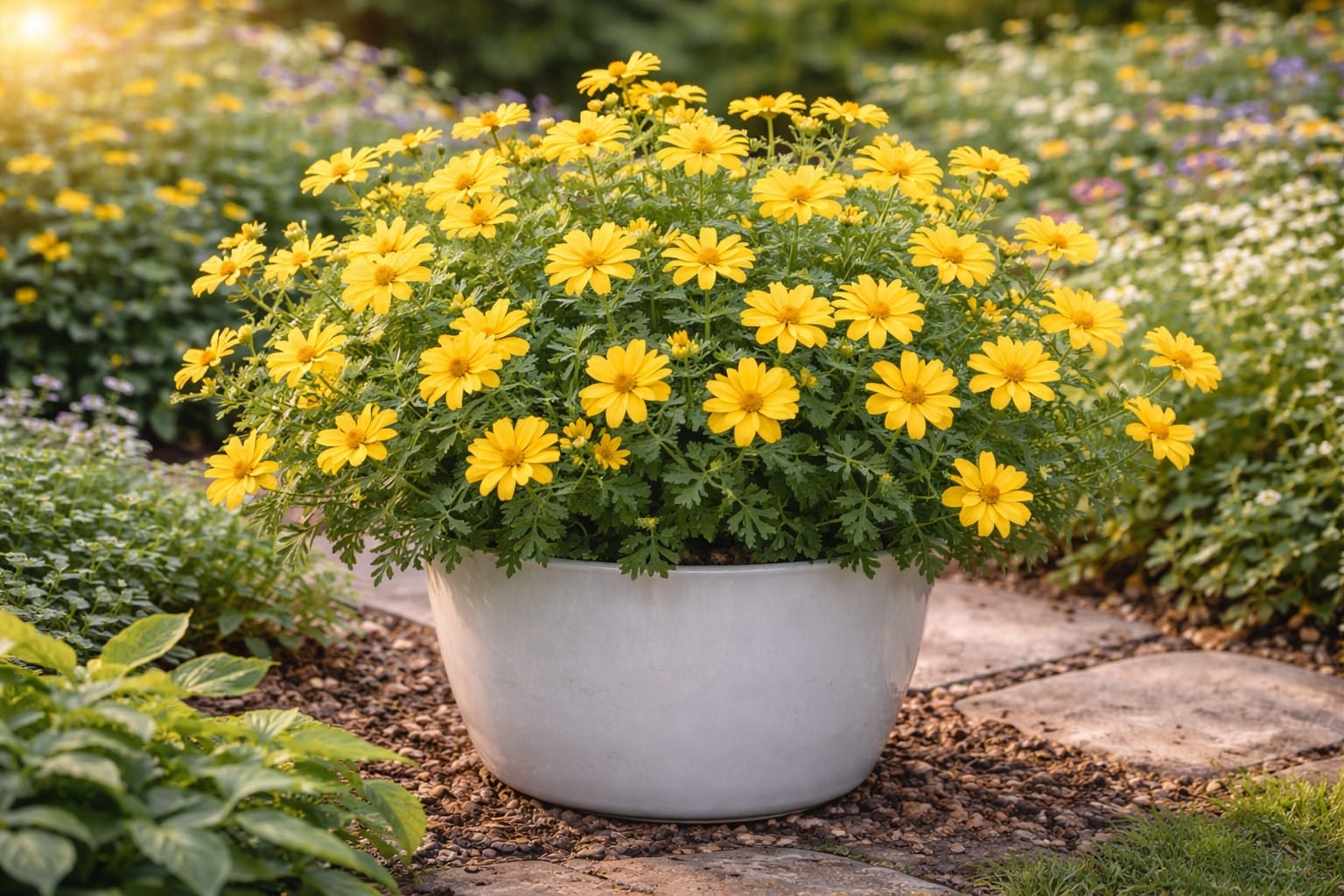
Yellow flower plants are loved all over the world for their bright, cheerful, and uplifting appearance. The color yellow is often associated with happiness, warmth, friendship, and positivity, which makes yellow flowers a perfect choice for gardens, balconies, indoor spaces, and landscapes. From delicate spring blooms to bold summer flowers and hardy perennials, yellow flowering plants come in a wide range of shapes, sizes, and growing habits.
This detailed article covers everything you need to know about yellow flower plants, including their meaning, popular types, growing conditions, care tips, seasonal varieties, indoor and outdoor options, common problems, and landscaping ideas.
What Are Yellow Flower Plants?
Yellow flower plants are any flowering plants that produce yellow-colored blooms, either fully yellow or with yellow as the dominant shade. These plants can be annuals, perennials, shrubs, climbers, bulbs, or trees, and they grow in many climates, from tropical to temperate regions.
Yellow flowers stand out strongly against green foliage and are often used to brighten dull spaces, attract pollinators, and create visual contrast in garden designs.
Meaning and Symbolism of Yellow Flowers
Yellow flowers carry rich symbolic meanings across cultures:
- Happiness and joy
- Friendship and warmth
- Hope and positivity
- New beginnings
- Energy and optimism
In gardens, yellow flowers are often planted to create a lively, welcoming atmosphere.
Popular Types of Yellow Flower Plants
There are hundreds of yellow flowering plants. Below are some of the most popular and widely grown varieties.
Sunflower (Helianthus annuus)
Sunflowers are among the most iconic yellow flower plants.
- Large, bright yellow petals with a dark center
- Fast-growing annual plant
- Thrives in full sun
- Easy to grow from seeds
- Attracts bees and birds
Sunflowers symbolize loyalty, happiness, and strength and are perfect for summer gardens.
Marigold (Tagetes)
Marigolds are hardy, low-maintenance yellow flowering plants.
- Grows as an annual
- Bright yellow to orange blooms
- Flowers continuously for months
- Repels pests naturally
- Ideal for borders and pots
Marigolds are commonly used in festivals, gardens, and companion planting.
Yellow Rose
Yellow roses are classic garden flowers with elegant beauty.
- Perennial shrub
- Blooms in spring and summer
- Requires full sun
- Symbolizes friendship and joy
- Available in bush and climbing forms
They are popular in gardens and floral arrangements.
Daffodil (Narcissus)
Daffodils are early spring yellow flowers.
- Grows from bulbs
- Blooms in late winter to early spring
- Cold-hardy perennial
- Low maintenance
- Naturalizes easily
Daffodils symbolize rebirth and new beginnings.
Yellow Hibiscus
Yellow hibiscus plants add a tropical feel.
- Large, showy blooms
- Grows as shrub or small tree
- Loves warm climates
- Flowers throughout summer
- Suitable for pots and gardens
They attract butterflies and hummingbirds.
Coreopsis (Tickseed)
Coreopsis is a long-blooming yellow perennial.
- Daisy-like yellow flowers
- Blooms from early summer to fall
- Drought-tolerant
- Ideal for wildflower gardens
It is perfect for gardeners seeking low-maintenance color.
Black-Eyed Susan (Rudbeckia)
A popular yellow perennial flower.
- Bright yellow petals with dark centers
- Blooms in summer and fall
- Hardy and easy to grow
- Attracts pollinators
Great for borders and natural gardens.
Yellow Tulip
Yellow tulips are spring favorites.
- Grows from bulbs
- Blooms in early to mid-spring
- Symbolizes happiness and cheer
- Suitable for pots and beds
Tulips prefer cooler climates.
Growing Conditions for Yellow Flower Plants
Although different species have different needs, most yellow flower plants share similar growing requirements.
Sunlight Requirements
- Most yellow flowering plants prefer full sun
- Minimum 6 hours of sunlight daily
- Some varieties tolerate partial shade
- More sunlight usually means more blooms
Soil Requirements
- Well-draining soil is essential
- Loamy or sandy soil works best
- Avoid waterlogged soil
- Slightly acidic to neutral pH is ideal
Adding compost improves soil fertility and flowering.
Watering Needs
- Water regularly during early growth
- Avoid overwatering
- Allow soil to dry slightly between watering
- Drought-tolerant varieties need less water once established
Proper watering promotes healthy roots and strong flowers.
Fertilizing Yellow Flower Plants
- Use balanced or flowering fertilizer
- Avoid excessive nitrogen
- Feed every 3–6 weeks during growing season
- Organic compost works well
Phosphorus-rich fertilizers encourage better blooms.
Seasonal Yellow Flower Plants
Spring Yellow Flowers
- Daffodils
- Yellow tulips
- Primrose
- Forsythia
Summer Yellow Flowers
- Sunflower
- Marigold
- Coreopsis
- Yellow zinnia
Fall Yellow Flowers
- Chrysanthemum
- Goldenrod
- Yellow cosmos
Some tropical yellow flowers bloom almost year-round.
Yellow Flower Plants for Pots
Many yellow flowering plants grow well in containers.
- Marigold
- Yellow petunia
- Yellow geranium
- Dwarf sunflower
- Yellow kalanchoe
Choose pots with drainage holes and place them in sunny spots.
Indoor Yellow Flower Plants
Some yellow flower plants can grow indoors with enough light.
- Yellow peace lily
- Yellow orchid varieties
- Kalanchoe
- Begonia
Place them near bright windows and avoid overwatering.
Landscaping Ideas Using Yellow Flower Plants
Yellow flowers can transform any landscape.
- Brighten shady corners
- Create contrast with purple or blue flowers
- Line pathways and borders
- Highlight entrances
- Mix with green foliage for a fresh look
Yellow flowers are excellent focal points in garden design.
Common Problems and Solutions
Few or No Flowers
- Cause: Lack of sunlight or excess nitrogen
- Solution: Increase sunlight and reduce nitrogen
Yellow Leaves
- Cause: Overwatering or poor drainage
- Solution: Improve drainage and adjust watering
Pests
- Aphids
- Spider mites
- Whiteflies
Use neem oil or insecticidal soap for control.
Benefits of Growing Yellow Flower Plants
- Improves garden aesthetics
- Boosts mood and mental well-being
- Attracts bees, butterflies, and birds
- Easy to combine with other colors
- Suitable for beginners
Yellow flowers bring life and energy to any space.
Final Thoughts
Yellow flower plants are a perfect choice for gardeners who want bright, cheerful, and long-lasting color. With options ranging from easy annuals like marigolds to stunning perennials like yellow roses and black-eyed Susans, there is a yellow flowering plant for every garden size and climate.
By providing proper sunlight, well-draining soil, balanced watering, and basic care, yellow flower plants will reward you with vibrant blooms that lift the entire landscape. Whether planted in pots, garden beds, balconies, or indoors, yellow flowers never fail to make a space feel warm and welcoming.