
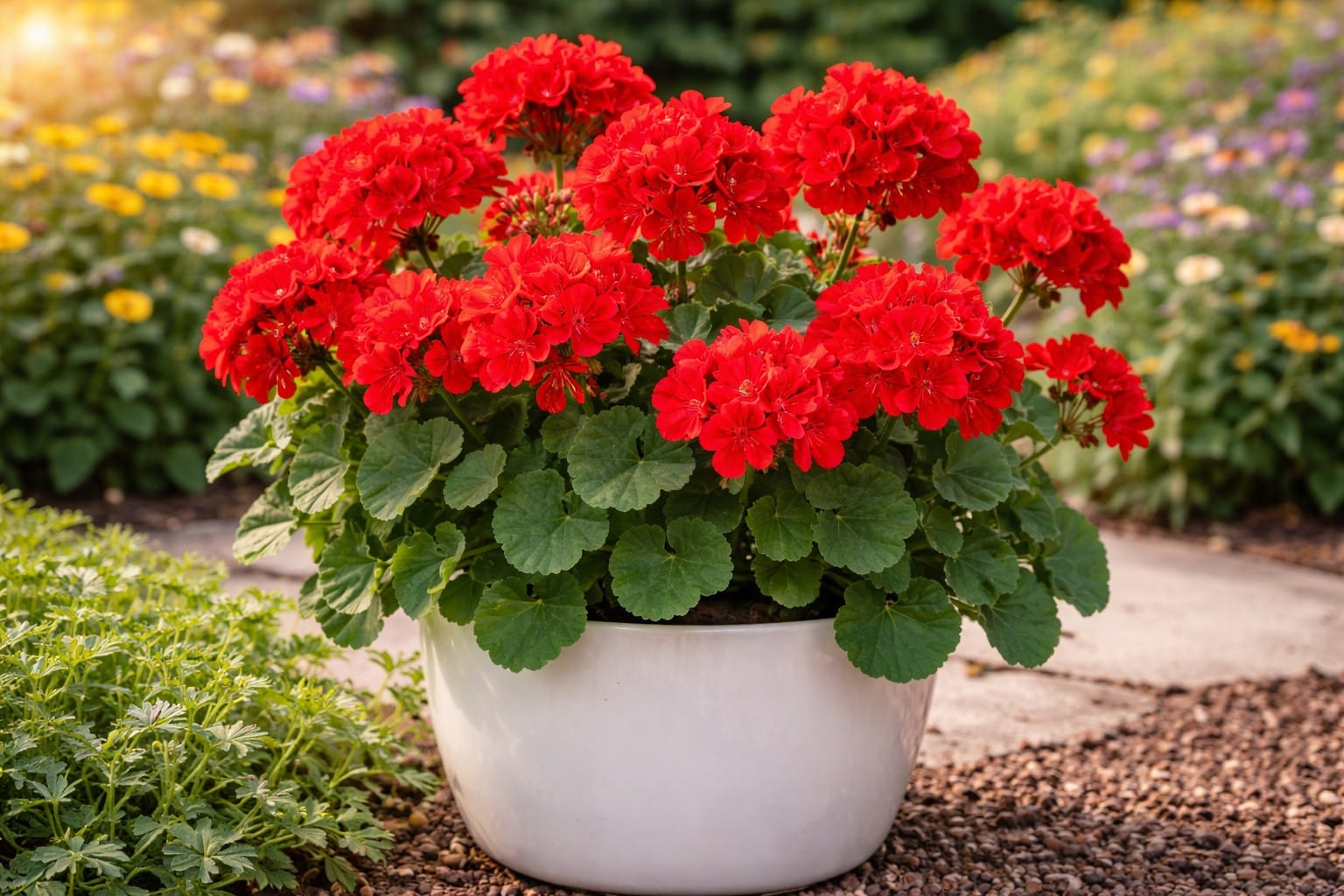
Red flower plants are powerful, eye-catching, and full of emotion. The color red symbolizes love, passion, energy, strength, and confidence, making red flowers perfect for gardens, indoor spaces, borders, containers, and floral displays. From compact houseplants to dramatic garden bloomers, red flowering plants instantly become focal points wherever they grow.
This detailed guide covers everything you need to know about red flower plants, including popular types, growing conditions, indoor and outdoor options, planting tips, care, common problems, and expert advice for long-lasting blooms.
Meaning and Symbolism of Red Flowers
Red flowers have strong cultural and emotional significance.
Common meanings include:
Love and romance
Passion and desire
Courage and strength
Energy and vitality
Celebration and respect
Red flowers are widely used for Valentine’s Day, weddings, festivals, memorials, and gifting, making them one of the most popular flower colors worldwide.
Popular Types of Red Flower Plants
There are many red flowering plants suited for different environments.
Rose
Classic symbol of love
Available as shrubs, climbers, and mini roses
Require full sun and regular pruning
Hibiscus
Large, tropical red blooms
Grows well outdoors and in containers
Prefers warm climates and bright light
Geranium
Reliable and long-blooming
Ideal for pots, balconies, and garden beds
Easy to maintain
Anthurium
Popular indoor red flowering plant
Glossy red spathes last for months
Thrives in bright, indirect light
Poppy
Delicate yet striking red flowers
Often grown from seed
Symbolic and visually dramatic
Tulip
Spring-blooming bulb plant
Bright red varieties are very popular
Suitable for garden beds and containers
Dahlia
Produces bold, layered blooms
Available in deep red shades
Blooms from summer to fall
Begonia
Excellent for shade and indoor use
Red blooms with decorative foliage
Great for hanging baskets
Salvia
Tall red flower spikes
Attracts pollinators
Perfect for borders and landscapes
Red Flower Plants for Indoors
Some red flowering plants thrive indoors.
Best indoor red flower plants include:
Anthurium
Red Kalanchoe
Begonia
Mini roses
Christmas cactus (red varieties)
Indoor red flower plants prefer bright indirect light, moderate watering, and stable temperatures.
Red Flower Plants for Outdoors
Outdoor red flowering plants add bold contrast to landscapes.
Popular outdoor options:
Roses
Hibiscus
Geraniums
Petunias
Zinnias
Cannas
Red salvias
Many outdoor red flower plants bloom best in full sun and well-draining soil.
Growing Conditions for Red Flower Plants
While needs vary by species, general requirements include:
Sunlight:
Most red flowers need 6–8 hours of sunlight
Some tolerate partial shade
Soil:
Well-draining, fertile soil
Slightly acidic to neutral pH
Water:
Consistent watering
Avoid waterlogging
Temperature:
Most thrive in warm, stable conditions
Protect from frost and extreme heat
Planting Red Flower Plants
Proper planting ensures healthy growth and strong blooms.
Planting steps:
Choose a suitable location
Prepare soil with compost
Dig hole twice the size of root ball
Plant at correct depth
Water thoroughly after planting
Spacing is important to improve airflow and prevent disease.
Watering Red Flower Plants
Watering tips for healthy red blooms:
Water deeply but less frequently
Keep soil moist, not soggy
Allow topsoil to dry slightly between watering
Water early morning for outdoor plants
Overwatering is a common cause of poor flowering.
Fertilizing for Better Red Blooms
Red flowering plants need nutrients to bloom abundantly.
Fertilizing guidelines:
Use balanced or bloom-boosting fertilizer
Feed every 2–4 weeks during growth
Avoid excessive nitrogen
Organic compost improves soil health
Proper feeding enhances flower color and longevity.
Pruning and Deadheading
Pruning encourages more blooms and healthy plants.
Pruning tips:
Remove spent flowers regularly
Trim dead or weak stems
Shape plants lightly
Prune shrubs after flowering
Deadheading redirects energy into new blooms.
Common Problems with Red Flower Plants
Red flowering plants may face several issues.
Common problems include:
Few or no flowers – lack of sunlight or nutrients
Yellow leaves – overwatering or poor drainage
Wilting – underwatering or heat stress
Pests – aphids, spider mites, whiteflies
Diseases – fungal leaf spots, root rot
Early action prevents serious damage.
Red Flower Plants for Pollinators
Many red flowers attract beneficial wildlife.
Pollinator-friendly red flowers:
Hibiscus
Salvia
Zinnia
Bee balm
Trumpet vine
They attract bees, butterflies, and hummingbirds.
Growing Red Flower Plants in Containers
Red flowers look stunning in pots.
Container tips:
Use pots with drainage holes
Choose quality potting mix
Select compact or dwarf varieties
Water more frequently than garden beds
Containers allow easy placement and seasonal movement.
Seasonal Care Tips
Spring and summer:
Increase watering and feeding
Provide full sun
Fall and winter:
Reduce watering
Protect from cold
Some plants go dormant
Understanding seasonal needs improves bloom cycles.
Expert Tips for More Vibrant Red Flowers
Provide enough sunlight
Feed regularly but lightly
Deadhead frequently
Avoid overcrowding
Maintain consistent watering
Protect from pests early
Small care improvements make a big difference.
Final Thoughts
Red flower plants bring drama, beauty, and emotion to any space. Whether grown indoors or outdoors, in containers or garden beds, red flowers instantly stand out and elevate the surroundings. With the right plant choice, proper care, and consistent maintenance, red flowering plants reward gardeners with bold color, long-lasting blooms, and unforgettable visual impact.
From classic roses to tropical hibiscus and easy indoor anthuriums, red flower plants are a timeless choice for gardeners who want vibrancy, passion, and elegance all in one plant. 🌹🌺