
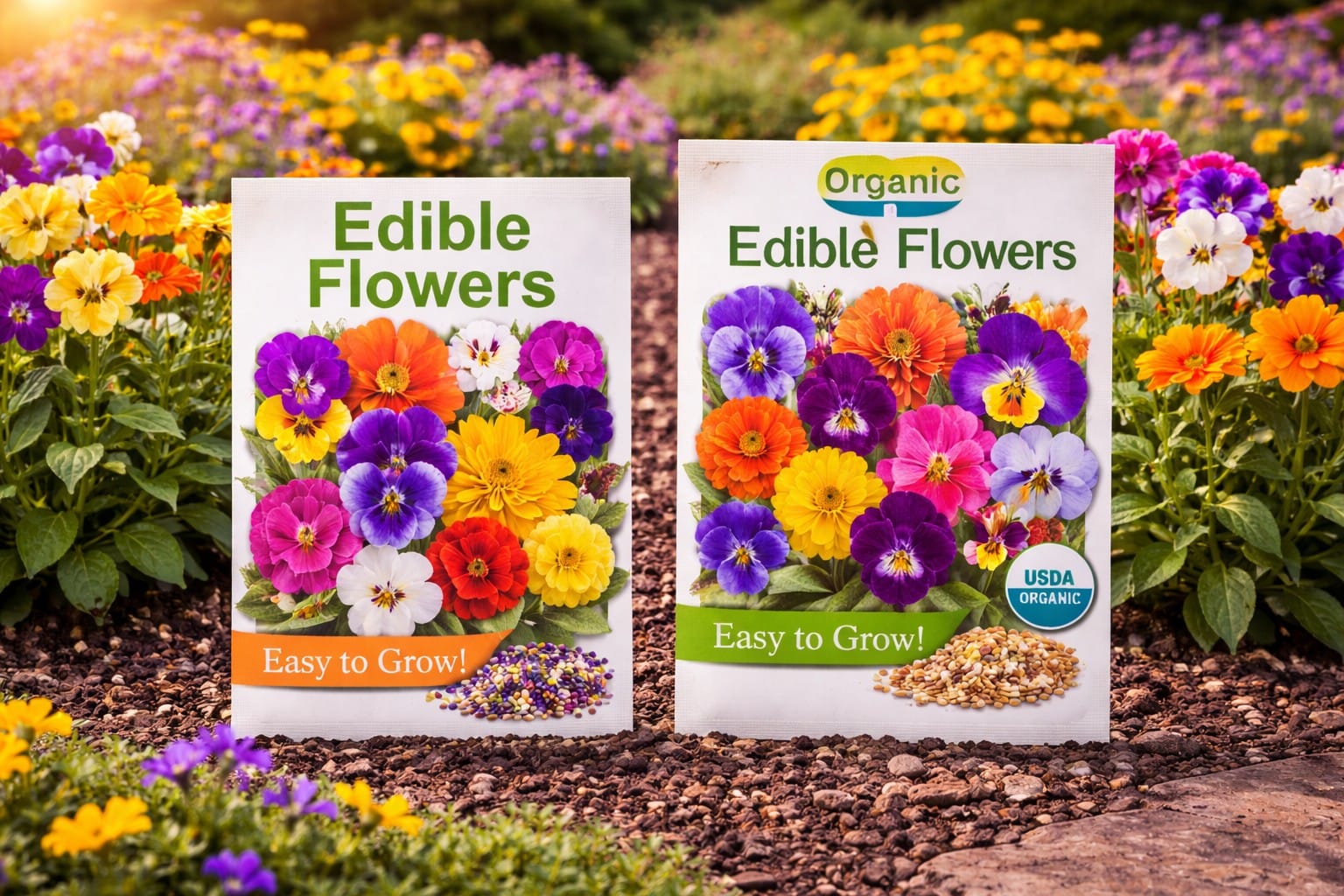
Growing wild flower seeds in bulk is one of the most rewarding and cost-effective ways to transform messy plots, lawns, field edges, roadside strips, or large garden spaces into beautiful, colorful, pollinator-friendly meadows. With the right seed mix and planting strategy, bulk wild flower planting can create dramatic seasonal color, support bees and butterflies, improve soil health, and reduce mowing.
This in-depth guide covers everything you need to know about buying, planting, and caring for wild flower seeds in bulk, including site preparation, timing, seed selection, sowing techniques, maintenance, common challenges, and expert tips for success.
What Are Wild Flower Seeds, and Why Grow Them in Bulk?
Wild flower seeds are seeds of native and naturalized flowering plants adapted to local conditions. Buying them in bulk means you’re purchasing large quantities of seed mixtures formulated to cover big areas — much more economical than buying individual seed packs.
Benefits of planting wild flowers in bulk:
🌼 Cost-effective for large areas — bulk mixes cover more ground for less money.
🐝 Supports pollinators — bees, butterflies, and beneficial insects thrive in wildflower habitats.
🌱 Low maintenance — once established, many wild flowers need minimal care.
🎨 Seasonal color variation — mixes often include flowers that bloom at different times.
🌿 Improved biodiversity — wild mixes enhance ecosystem balance and wildlife habitat.
Growing bulk wild flowers turns underused land into a productive, beautiful space with year-round interest.
Choosing the Right Wild Flower Seed Mix
There’s no single “best” wild flower mix — the right choice depends on your climate, soil, sunlight, and goals.
1. Native Wild Flower Mixes
Contain plants indigenous to your region
Best for local wildlife and ecosystem health
Examples: Black-eyed Susan, Coreopsis, Blanket Flower
2. Pollinator Mixes
Focused on nectar-rich plants
Great for bees, butterflies, and hummingbirds
Examples: Coneflower, Bee Balm, Butterfly Weed
3. Meadow Mixes
Designed for large fields or natural landscapes
Includes grasses + wildflowers
Creates a natural “meadow look”
4. Sun/Shade-Specific Mixes
Sun mixes for full sun applications
Shade mixes for under trees or building shadows
5. Season-Extended Mixes
Include species blooming early, mid-season, and late
Maximizes color and forage throughout growing season
How to Estimate Bulk Wild Flower Seed Needs
Calculate how many pounds (or kilograms) of seed you need based on area:
General seeding rates vary depending on mix density and coverage
Typical rates range from 1/4 lb to 2 lb per 1,000 sq ft (≈ 1–10 g per m²)
📏 Example:
If your area is 10,000 sq ft and you want medium coverage → around 1–1.5 lb of bulk wild flower seed.
Always check the seed mix instructions — recommended rates vary by product.
Best Time to Plant Wild Flower Seeds
Timing is essential for good germination:
🌱 Spring Planting:
After last frost, soil warming up
Excellent for most mixes
🍂 Fall Planting:
Seeds naturally stratify (cold treatment)
Ideal in cooler climates — seeds sprout next spring
Plant when soil is workable, not frozen or waterlogged.
Preparing the Site for Bulk Wild Flower Seeds
Wild flowers need good soil contact to sprout.
- Clear the site:
Remove weeds, turf, or debris
Weed killer or solarization helps for weedy areas - Loosen the soil:
Lightly till or rake the top 1–2 inches
Rough surface helps seed stay put - Level the area:
Smooth out bumps — uneven seed depth causes uneven germination - Do not add rich compost:
Wild flowers prefer lean soil — too rich soil encourages grass and weeds
How to Sow Wild Flower Seeds in Bulk
Planting in bulk areas requires uniform seed distribution.
Broadcast Seeding Method
Best for large areas
Steps:
Scatter seeds evenly by hand or using a spreader
Mix seeds with sand to help distribute evenly
Lightly rake seeds into soil
Firm soil gently — no deep burial
Drilled Seeding (Mechanized)
For very large fields
Use seed drill equipment
Provides precise spacing and depth
Hydro Seeding (Optional)
Seeds mixed with mulch and sprayed
Great for slopes
After planting: water gently but thoroughly to start germination.
Watering and Early Care
Wild flowers need moisture to sprout and establish:
💧 Keep the surface consistently moist until plants reach a few inches tall
💧 After establishment, reduce watering — many wildflowers are drought-tolerant
💧 Avoid overhead watering that can displace seeds
Mulching Very Lightly (optional):
Use straw or erosion matting to protect seeds on slopes
Weed Control in Wild Flower Plantings
Weeds are the main early challenge.
✔ Hand-remove large weeds
✔ Mow taller unwanted vegetation early before wildflower seedlings establish
✔ Avoid herbicides once wild flowers are growing
Once established, wild flower communities usually outcompete weeds over time.
Maintenance Throughout the Season
Wild flower plantings are relatively low-maintenance:
🌼 Mow lightly in first season (before flowers bloom) to control rampant annual weeds
🌼 Deadhead spent blooms if you want more continuous color
🌼 Second season onward:
– Most perennials and self-sowing annuals return
– Mow in late fall or early spring for new growth
Avoid heavy watering and fertilizer — wild flowers thrive on lean soil.
Harvesting and Saving Your Own Seeds
Many wild flowers produce seeds you can save.
Steps for seed saving:
✂ Collect mature seed heads in fall
🍃 Dry indoors
🌾 Separate seeds from chaff
📦 Store in cool, dry containers
Label with species and date
Self-sown seeds often lead to vibrant naturalized patches year after year.
Common Problems and How to Fix Them
Poor Germination
Cause: Too deep planting or dry soil
Fix: Rake seeds into soil surface and keep moist
Weed Overgrowth
Cause: Incomplete site prep
Fix: Mow or hand-weed before wild flowers mature
Too Much Fertilizer
Cause: Nutrients favor weeds, not wildflowers
Fix: Avoid additional fertilizer after planting
Winter Kill (Cold Climates)
Cause: Seeds planted too late
Fix: Fall planting in advance for natural stratification
Companion Planting and Garden Design
Wild flowers are versatile in landscapes.
Design ideas:
🌻 Borders & Field Edges: Create softer transitions
🌼 Pollinator Gardens: Pair with herbs like thyme, sage, and basil
🌾 Meadow Mix + Grass Mix: Natural savanna look
🍅 Vegetable Garden Edges: Attract beneficial insects
Repetition of color and texture creates pleasing continuity.
Wild Flowers That Grow Well From Bulk Seeds
Annuals (quick initial show):
• Cosmos
• Bachelor’s Buttons
• Nasturtium
• Zinnia
• Sunflower
Perennials (long term backbone):
• Black-eyed Susan
• Coneflower
• Coreopsis
• Bee Balm
• Lupine
• Blanket Flower
Pollinator Favorites:
• Goldenrod
• Milkweed
• Aster
• Butterfly Weed (Asclepias)
• Borage
Mixing annuals and perennials gives color in the first year and lasting beauty later.
Frequently Asked Questions
Do bulk wild flower mixes need fertilizer?
No — lean soil is best to prevent weed dominance.
Can I plant wild flowers under trees?
Yes, but choose shade-tolerant mixes.
How long until blooms appear?
Annual mixes often bloom in 8–12 weeks; perennials may bloom the next year.
Can wild flowers grow in containers?
Yes — adjust seeding rate and use larger pots.
Expert Tips for Best Results
✔ Test your soil before planting
✔ Avoid rich topsoil additions
✔ Keep seeds close to the surface
✔ Provide consistent moisture during germination
✔ Adjust sowing rate based on coverage needs
✔ Blend annuals and perennials for continuous color
Final Thoughts
Wild flower seeds in bulk are a smart choice for gardeners who want colorful, low-maintenance, pollinator-friendly plantings across large areas without excessive cost. With the right seed mix, site prep, and planting strategy, you can turn unused land into a vibrant meadow, garden walkway, border, or naturalized habitat that brings joy and ecological value year after year.
Whether you’re starting a meadow from scratch or enriching a garden border, bulk wild flower planting is beneficial, beautiful, and surprisingly easy — great for beginners and experienced gardeners alike! 🌼🌿🐝🌻