
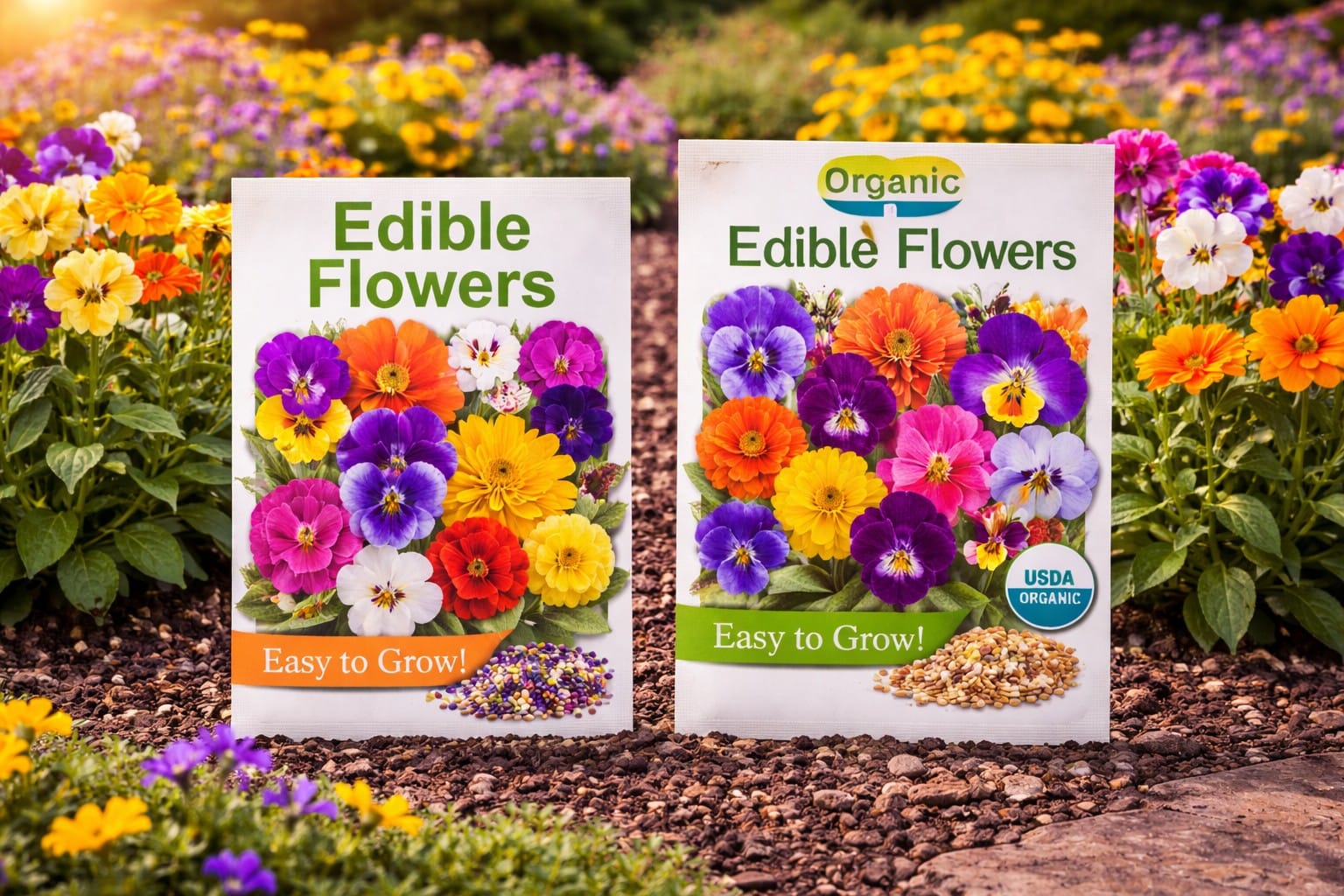
Edible flower seeds let you grow plants that are both beautiful and safe to eat, adding color, flavor, and creativity to your garden and kitchen. From salads and desserts to teas and garnishes, edible flowers have been used for centuries across many cultures. Growing them from seed is affordable, beginner-friendly, and highly rewarding.
This in-depth guide covers everything you need to know about edible flower seeds, including the best varieties, how to grow them, soil and sunlight needs, harvesting, storage, safety tips, common mistakes, and expert advice to get the best flavor and blooms.
What Are Edible Flower Seeds
Edible flower seeds grow into flowering plants whose petals, blooms, or sometimes leaves are safe for human consumption. These flowers are used fresh, dried, or infused into foods and drinks.
Key characteristics:
Safe for culinary use when grown correctly
Wide range of colors and flavors
Easy to grow from seed
Attractive to pollinators
Suitable for gardens, pots, and raised beds
Not all flowers are edible, so correct identification is essential.
Why Grow Edible Flowers From Seeds
Growing edible flowers from seed offers many benefits.
Main advantages:
Full control over growing methods
No chemical exposure when grown organically
Cheaper than buying edible flowers
Fresh, flavorful blooms
Decorative and functional plants
Seed-grown plants are often stronger and more productive.
Most Popular Edible Flower Seeds
These edible flowers are widely grown and easy for beginners.
Calendula (Pot Marigold)
Bright yellow and orange petals
Mild, slightly peppery flavor
Used in salads, rice, and butter
Easy to grow from seed
Nasturtium
Peppery, slightly spicy taste
Bright red, orange, and yellow blooms
Flowers, leaves, and seeds are edible
Excellent for salads and garnishes
Viola and Pansy
Mild, slightly sweet flavor
Edible whole flower
Perfect for desserts and cakes
Cold-tolerant and easy to grow
Borage
Blue star-shaped flowers
Mild cucumber-like taste
Great for drinks and salads
Fast-growing annual
Zinnia
Mild, slightly bitter taste
Mostly used for garnishing
Attracts pollinators
Easy from seed
Cornflower (Bachelor’s Button)
Clove-like flavor
Blue, pink, or purple blooms
Used for teas and decorations
Chamomile
Apple-like flavor
Used for teas
Calming and aromatic
Thrives in pots and gardens
Lavender
Sweet, floral flavor
Used in desserts, syrups, and teas
Drought-tolerant once established
Sunflower
Petals and young buds edible
Mild, nutty flavor
Seeds edible when mature
Hibiscus (Roselle)
Tart, cranberry-like flavor
Used in teas and drinks
Needs warm growing conditions
Choosing the Right Edible Flower Seeds
When buying seeds, quality matters.
What to look for:
Labeled as edible or culinary-safe
Open-pollinated or heirloom varieties
High germination rate
Suitable for your climate
Avoid ornamental-only varieties unless confirmed edible.
When to Plant Edible Flower Seeds
Planting time depends on climate and flower type.
General guidelines:
Spring after last frost for most annuals
Cool-season flowers can be planted earlier
Warm-season flowers need warm soil
Indoor seed starting possible 4–6 weeks early
Always check seed packet instructions.
Soil Requirements
Healthy soil improves both flavor and flower production.
Ideal soil conditions:
Well-draining soil
Rich in organic matter
Loamy or sandy texture
Neutral to slightly acidic pH
Avoid heavy, waterlogged soil, which causes root rot.
How to Plant Edible Flower Seeds
Most edible flowers are easy to plant directly.
Planting steps:
Loosen soil and remove weeds
Sow seeds at recommended depth
Cover lightly with soil
Water gently
Keep soil moist until germination
Spacing is important for airflow and healthy growth.
Growing Edible Flowers in Pots
Many edible flowers grow beautifully in containers.
Container tips:
Use pots with drainage holes
Choose quality potting mix
Place in sunny location
Water more frequently than ground plants
Nasturtiums, pansies, calendula, and chamomile are excellent for pots.
Sunlight Requirements
Most edible flowers prefer sunlight.
Sun needs:
6–8 hours of direct sunlight
Some tolerate partial shade
More sun usually improves flavor and blooms
Too much shade reduces flowering.
Watering Edible Flower Plants
Proper watering keeps plants healthy and flavorful.
Watering tips:
Water at soil level
Keep soil evenly moist
Avoid overhead watering
Do not let soil dry out completely
Overwatering can reduce flavor and cause disease.
Fertilizing Edible Flowers
Light feeding is best.
Fertilizer tips:
Use compost or organic fertilizer
Avoid synthetic chemicals
Too much nitrogen reduces flowering
Feed lightly during growth
Organic methods ensure food safety.
Harvesting Edible Flowers
Harvesting at the right time improves taste and appearance.
Harvesting tips:
Pick flowers in the morning
Choose fully open but fresh blooms
Avoid damaged or insect-eaten flowers
Use clean scissors or fingers
Frequent harvesting encourages more blooms.
Cleaning and Preparing Edible Flowers
Always clean flowers before use.
Preparation steps:
Rinse gently in cool water
Shake off excess moisture
Remove bitter white bases if needed
Use fresh or dry immediately
Never use flowers treated with pesticides.
Drying and Storing Edible Flowers
Many edible flowers can be preserved.
Drying methods:
Air drying
Dehydrator on low heat
Store in airtight containers
Storage tips:
Keep in cool, dark place
Label with name and date
Use within 6–12 months
Dried flowers are great for teas and baking.
Safety Tips for Edible Flowers
Safety is critical.
Important rules:
Only eat flowers you can identify
Never eat roadside or florist flowers
Avoid flowers grown with chemicals
Introduce new edible flowers in small amounts
Some people may have allergies.
Common Mistakes to Avoid
Growing ornamental-only varieties
Using chemical fertilizers or sprays
Harvesting at wrong time
Overwatering
Misidentifying flowers
Avoiding these ensures safe, tasty blooms.
Companion Planting With Edible Flowers
Edible flowers benefit gardens beyond food.
Benefits include:
Attracting pollinators
Repelling pests
Improving vegetable yields
Good companions:
Nasturtiums with vegetables
Calendula near tomatoes
Borage with strawberries
They enhance both beauty and productivity.
Edible Flowers in Cooking
Edible flowers add elegance and flavor.
Common uses:
Salads
Desserts and cakes
Herbal teas
Infused oils and syrups
Garnishes
They elevate everyday dishes visually and taste-wise.
Frequently Asked Questions
Are all flowers edible
No, many are toxic
Can edible flowers be grown indoors
Yes, with enough light
Do edible flowers need special care
No, most are easy to grow
Can children eat edible flowers
Yes, if properly identified and grown safely
How long do edible flowers last after picking
Best used same day, some last 1–2 days refrigerated
Expert Tips for Best Results
Grow organically
Harvest regularly
Provide full sun
Improve soil with compost
Label plants clearly
Small care details greatly improve quality.
Final Thoughts
Edible flower seeds allow you to grow plants that are beautiful, useful, and delicious. With proper seed selection, sunlight, soil, and organic care, you can enjoy fresh, chemical-free flowers straight from your garden or balcony.
From nasturtiums and calendula to pansies, borage, and lavender, edible flowers bring color, flavor, and creativity to meals while supporting pollinators and enhancing garden beauty. Growing them from seed is simple, affordable, and deeply satisfying for any gardener.