
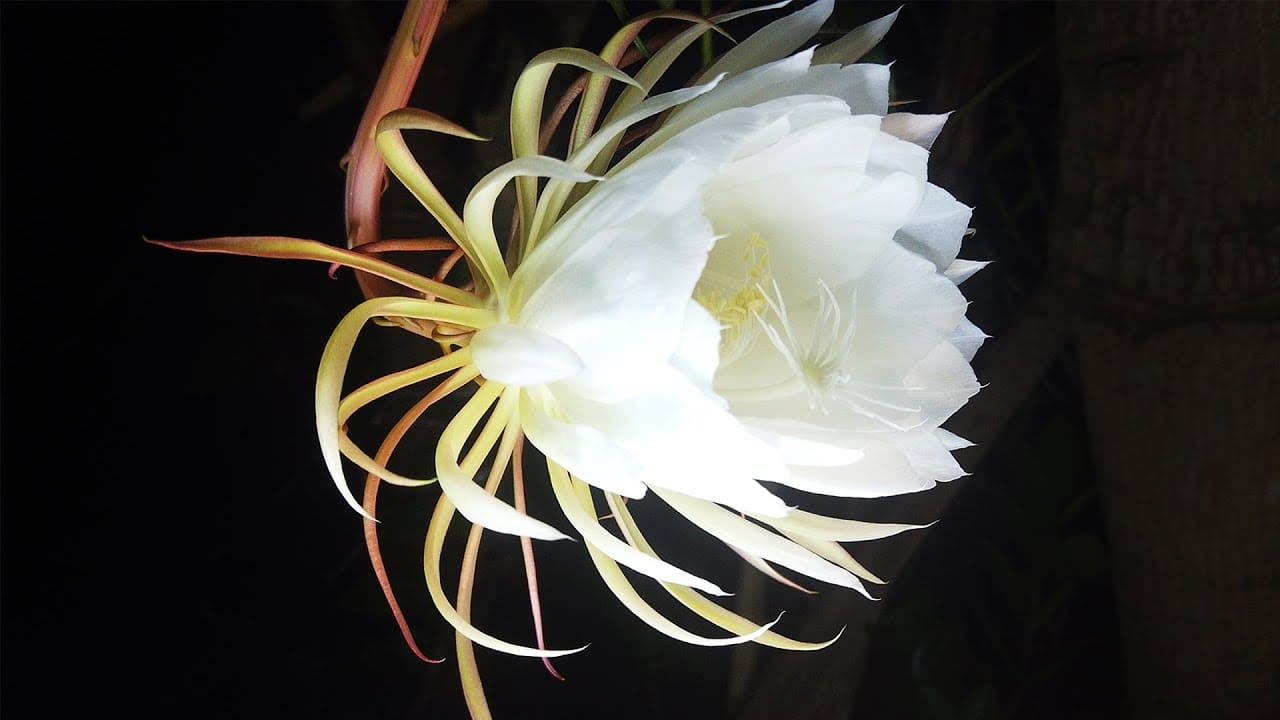
Imagine a flower that blooms once a year, only at night, fills the air with an incredible fragrance, and then disappears completely before sunrise. That is the kadupul flower. No wonder people call it the Queen of the Night.
If you have ever been curious about this magical plant or want to try growing one yourself, you are in the right place. This guide explains everything in plain, simple language, no gardening experience needed.
What Is the Kadupul Flower?
The kadupul flower (scientific name: Epiphyllum oxypetalum) is a type of cactus that originally comes from the tropical rainforests of Sri Lanka, Central America, and South Asia.
Now, when most people hear “cactus” they picture something dry and spiky in a desert. The kadupul is nothing like that. It has long, flat, green stems that droop and trail like a vine, and it loves humidity and shade, not harsh desert sun.
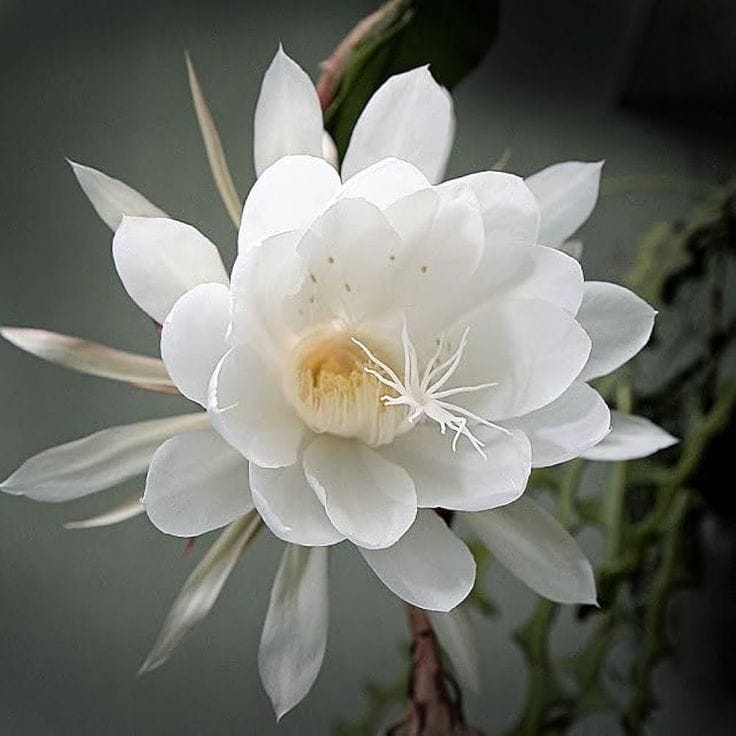
What makes it truly special is its flower. Once a year, usually on a summer night, a large white bloom opens up. It can be as wide as 12 inches across. It smells absolutely beautiful, like jasmine. And by morning, it is completely gone.
That is it. One night. That is why people treasure it so much.
What Does the Kadupul Flower Mean?
In Sri Lanka, where the plant gets its name, the kadupul flower is considered sacred. Buddhist monks offer it to the Buddha only when it blooms, which makes every offering incredibly rare and precious.
The flower has become a symbol of things that are beautiful but do not last forever. A reminder that some of the best moments in life are short, and that is exactly what makes them special.
It is also said to be priceless because the flower wilts so quickly it can never be sold in a shop or delivered to someone. By the time it reaches them, it would already be gone.
How to Care for a Kadupul Flower Plant
Here is the good news: the kadupul is not as difficult to look after as its rare reputation suggests. Once you understand what it likes, it is actually pretty easygoing.
Light
The kadupul does not want direct sunlight. Think about where it grows in the wild, under the canopy of a rainforest, with light that is bright but filtered through leaves above.
At home, place it near a window that gets morning light but stays out of harsh afternoon sun. An east-facing window indoors works really well. If your home does not get much natural light, a basic grow light for 12 to 14 hours a day does the job perfectly.
Soil
Do not use regular potting soil from the garden centre. It holds too much water and will rot the roots. Instead, buy a cactus or orchid mix and add some perlite (those small white bits you sometimes see in soil) to help water drain through faster.
The simple rule is that the soil should feel damp after watering but never soggy, and it should dry out between waterings.
Watering
This is where most beginners go wrong, and it is the number one killer of kadupul plants. Overwatering.
Only water when the top inch of soil feels dry when you stick your finger in. Water it well, let it drain fully, and then leave it alone until the soil dries out again. During winter, cut back even more, watering just once every two to three weeks.
If you are unsure, it is always safer to underwater than overwater with this plant.
Temperature
The kadupul likes it warm, between 65°F and 85°F (18 to 29°C) is ideal. It cannot handle frost at all, so if you live somewhere cold, keep it indoors when temperatures start to drop in autumn.
It also appreciates a little humidity. If the air in your home is very dry, try placing the pot on a tray filled with pebbles and a little water. As the water evaporates, it adds moisture to the air around the plant.
Feeding
During spring and summer, feed the plant with a liquid fertiliser every four to six weeks. Look for one that is balanced, meaning it has equal amounts of the main nutrients. Avoid fertilisers that are very high in nitrogen because those make lots of leaves but fewer flowers.
Stop feeding completely in autumn and winter when the plant is resting.
How to Get It to Actually Bloom
This is the part everyone wants to know, and the honest answer is that you need patience.
A kadupul plant usually will not flower until it is at least two to three years old and has plenty of healthy, mature stems. After that, three things really help trigger blooming.
First, let it get a bit cooler at night. A temperature difference of around 10°F between day and night tells the plant it is time to start setting buds. This is why plants kept outdoors in summer often bloom more reliably than ones kept at a steady indoor temperature year-round.
Second, give it a proper winter rest. Reduce watering, stop feeding, and just leave it in a cool spot for a couple of months. This mimics the dry season it would experience in the wild.
Third, make sure it gets good light during the growing season. No light means no energy, and no energy means no flowers.
When a bud finally appears, do not move the plant. Any sudden change can cause the bud to drop before it opens. Just leave it alone, check on it in the evenings, and get ready for the show.
Common Beginner Mistakes to Avoid
Watering too often. The most common mistake by far. When in doubt, do not water.
Putting it in direct sun. The stems will turn yellow and dry out. Always keep it in filtered or indirect light.
Moving the plant once buds appear. Even shifting it a few feet can stress the plant enough to drop its buds. Once you see buds forming, pick a spot and leave it there.
Using the wrong soil. Regular potting compost stays too wet. Always use a cactus or orchid mix.
Expecting it to bloom in year one. New plants need time to mature. Give it two to three years and the right conditions.
How to Grow More Plants from Cuttings
The great news is that kadupul is very easy to propagate, which means you can grow new plants from the one you already have.
Cut a healthy stem section about 4 to 6 inches long. Leave it on a dry surface like a paper towel for one to two days. This lets the cut end seal over, which stops it rotting when you plant it.
Then push the sealed end about an inch into dry cactus mix. Put it somewhere with bright indirect light and do not water it for the first week. After that, start watering lightly. Roots usually form within four to eight weeks.
Frequently Asked Questions
Do I need a garden to grow kadupul? Not at all. It actually does really well in pots indoors, which makes it a great option for flat or apartment dwellers.
How will I know when it is about to bloom? You will notice a bud forming along the edge of a stem. It takes about two weeks to fully develop. As it gets close to opening, it will start to look plump and the very tip may begin to show white. Keep checking after 9pm.
What if my plant has never bloomed after three years? Check the three main triggers: is it getting enough light, has it had a cool dry winter rest, and is it growing in well-draining soil? If all three are sorted and it still has not bloomed, it may simply need more time.
Is it safe around cats and dogs? The ASPCA does not list Epiphyllum oxypetalum as toxic to cats or dogs. That said, it is always best to keep pets from chewing on any houseplant to avoid tummy upsets.
Why does the flower only last one night? In nature, the kadupul is pollinated by moths and bats that are active at night. The flower does not need to last longer than one night to do its job. That brevity is what makes witnessing it so special.
Final Thoughts
The kadupul flower is proof that some of the most extraordinary things in life take time, patience, and a little bit of faith. You might wait two or three years for that first bloom. But when it finally happens on a warm summer night and that fragrance fills the room, you will understand why gardeners around the world consider it one of the greatest experiences in plant keeping.
Get the light right, do not overwater, give it a proper winter rest, and this Queen of the Night will reward you with something truly unforgettable.