
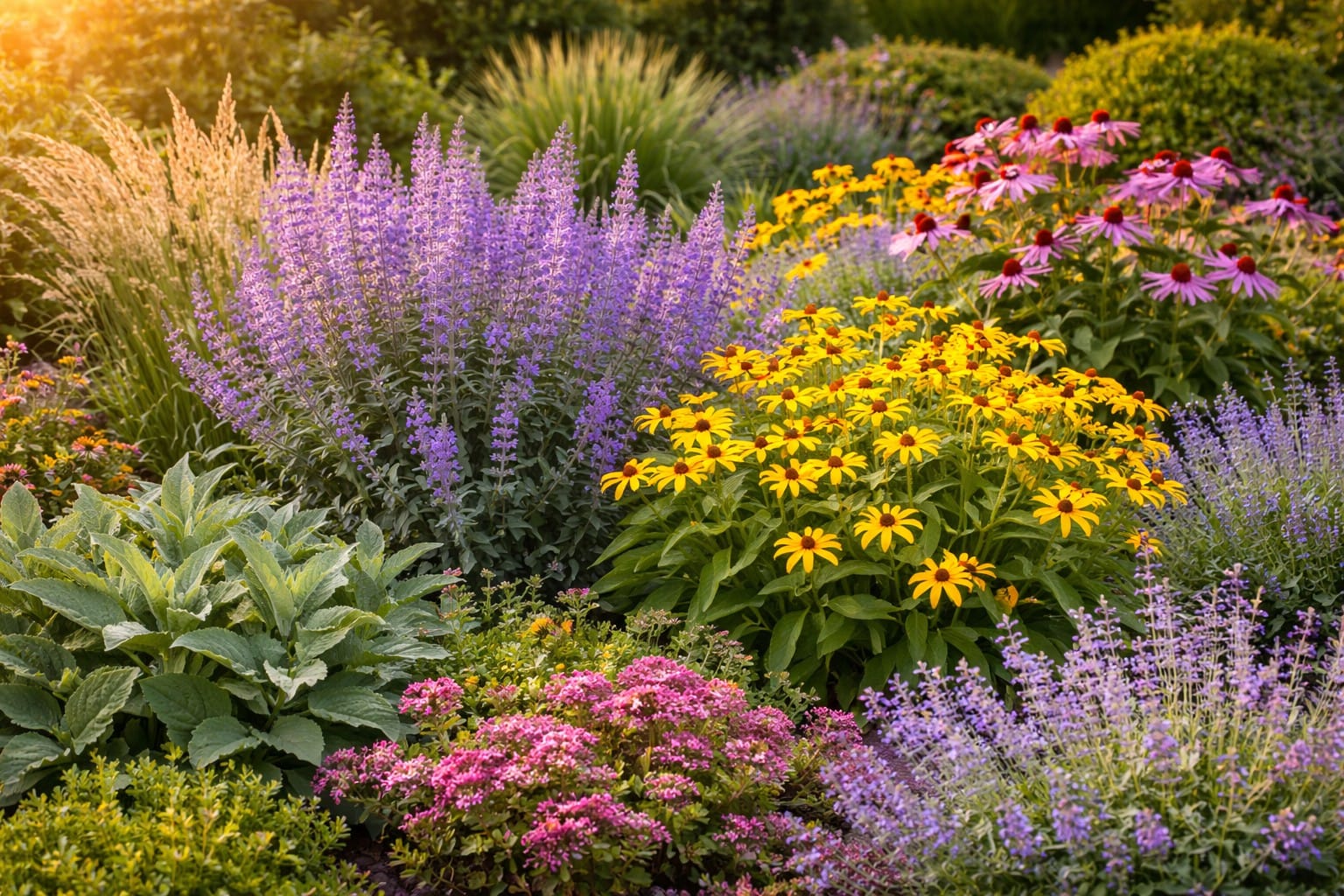
Deer hardy plants are the best solution for gardeners who struggle with deer eating flowers, shrubs, and foliage. While no plant is 100% deer-proof, many plants are naturally deer resistant because of their strong scent, bitter taste, tough texture, or toxic sap. Choosing the right plants can save time, money, and frustration while keeping your garden healthy and attractive.
This complete guide explains what deer hardy plants are, why deer avoid them, the best deer resistant plants by category, planting tips, care advice, common mistakes, and expert strategies to reduce deer damage long-term.
What Are Deer Hardy Plants
Deer hardy plants are plants that deer rarely eat, even when deer pressure is high. Deer are selective feeders and prefer soft, sweet, and tender plants. They usually avoid plants that are:
Strongly scented
Bitter tasting
Toxic or irritating
Hairy or spiny
Thick, leathery, or rough textured
These natural defenses make certain plants far less appealing to deer.
Why Deer Avoid Certain Plants
Deer rely heavily on smell and taste. When food is plentiful, they avoid unpleasant plants. Deer usually avoid plants that:
Have strong fragrance like herbs
Contain milky or toxic sap
Have fuzzy, spiny, or tough leaves
Produce bitter oils or resins
However, when food is scarce, hungry deer may still sample almost anything.
Benefits of Growing Deer Hardy Plants
Using deer hardy plants offers many advantages.
Reduced plant damage
Lower need for fencing or repellents
Less maintenance and replacement costs
More consistent garden appearance
Better long-term landscape success
A deer resistant garden also supports pollinators while discouraging unwanted grazers.
Best Deer Hardy Perennials
Perennials come back year after year and are excellent for deer-resistant gardens.
Lavender
Strong fragrance
Drought tolerant
Loved by pollinators
Coneflower (Echinacea)
Rough texture
Bitter taste
Hardy and long-blooming
Black-Eyed Susan
Hairy leaves
Tough stems
Bright summer color
Yarrow
Strong scent
Fern-like foliage
Very hardy
Bee Balm
Aromatic leaves
Attracts bees and hummingbirds
Easy to grow
Russian Sage
Silvery foliage
Strong scent
Extremely drought tolerant
Deer Hardy Annual Flowers
Annuals add seasonal color with lower deer interest.
Marigold
Strong smell
Easy to grow
Excellent border plant
Zinnia
Coarse leaves
Bright summer blooms
Heat tolerant
Snapdragon
Bitter taste
Cool-season color
Good for containers
Dusty Miller
Fuzzy silver leaves
Texture deer dislike
Excellent contrast plant
Deer Resistant Shrubs
Shrubs provide structure and year-round interest.
Boxwood
Dense foliage
Strong scent
Excellent hedge plant
Lavender Cotton
Silvery leaves
Strong aroma
Low maintenance
Butterfly Bush
Fast-growing
Aromatic foliage
Attracts pollinators
Barberry
Thorny stems
Deer avoid texture
Good for security hedges
Spirea
Tough foliage
Reliable blooms
Adaptable to many climates
Deer Hardy Trees
Trees are often damaged by deer rubbing antlers, but some are less attractive.
Ginkgo
Strong leaf chemistry
Deer rarely browse
Japanese Maple
Moderately deer resistant
Best when established
Birch
Less preferred by deer
Good for cooler climates
Spruce
Needle texture
Not appealing to deer
Deer Resistant Ground Covers
Ground covers protect soil and reduce maintenance.
Pachysandra
Dense growth
Bitter taste
Shade tolerant
Vinca (Periwinkle)
Tough leaves
Fast spreading
Low maintenance
Lamb’s Ear
Soft but bitter foliage
Fuzzy texture
Drought tolerant
Ajuga
Low-growing
Strong leaf taste
Spring flowers
Deer Hardy Herbs
Most herbs are naturally deer resistant due to fragrance.
Rosemary
Woody stems
Strong scent
Excellent for borders
Thyme
Low-growing
Aromatic
Great ground cover
Sage
Fuzzy leaves
Strong oils
Easy care
Oregano
Fast growing
Strong smell
Good filler plant
Mint
Strong aroma
Spreads easily
Best in containers
Deer Hardy Native Plants
Native plants are adapted to local conditions and often resist deer better.
Milkweed
Goldenrod
Blazing star
Switchgrass
Little bluestem
Native plants also support pollinators and wildlife balance.
How to Design a Deer Resistant Garden
Smart design increases effectiveness.
Use deer resistant plants at garden edges
Place favorite plants closer to house
Mix textures and scents
Avoid planting deer favorites together
Use dense planting to reduce access
Layering plants creates natural barriers.
Common Plants Deer Love to Eat
Avoid or protect these plants.
Hostas
Tulips
Roses
Daylilies
Pansies
Hydrangeas
If you grow them, use fencing or repellents.
Planting Tips for Deer Hardy Plants
Healthy plants resist damage better.
Plant in well-draining soil
Water until established
Mulch to reduce stress
Space plants properly
Choose plants suited to your climate
Stressed plants are more attractive to deer.
Maintenance and Care
Deer resistant plants still need care.
Water during drought
Prune regularly
Remove damaged growth
Avoid over-fertilizing
Too much fertilizer creates soft growth deer prefer.
Do Deer Repellents Really Work
Repellents can help when combined with plant choice.
Most effective repellents:
Egg-based sprays
Garlic and pepper sprays
Rotated scent repellents
Apply regularly, especially after rain.
Seasonal Deer Pressure
Deer behavior changes throughout the year.
Spring: young tender growth attracts deer
Summer: varied food options reduce damage
Fall: deer feed heavily before winter
Winter: deer eat almost anything
Winter protection is especially important.
Common Mistakes When Choosing Deer Hardy Plants
Planting only one type
Ignoring deer pressure level
Overwatering and fertilizing
Assuming plants are deer-proof
Not protecting young plants
Young plants need extra protection until established.
FAQs About Deer Hardy Plants
Are deer hardy plants completely deer-proof
No, but they are rarely eaten
Will deer eat resistant plants if hungry
Yes, during food shortages
Do deer avoid fragrant plants
Usually yes
Do native plants resist deer
Often, but not always
Is fencing better than plants
Fencing is most effective but costly
Expert Tips to Reduce Deer Damage
Combine plant choice with repellents
Rotate repellent scents
Protect plants in winter
Use motion-activated sprinklers
Plant deer favorites in containers near the house
A layered strategy works best.
Best Deer Hardy Plants for Beginners
Lavender
Coneflower
Yarrow
Boxwood
Russian sage
Marigold
These plants are easy, tough, and widely available.
Final Thoughts
Deer hardy plants make it possible to enjoy a beautiful garden without constant damage. By choosing plants with strong scents, tough textures, and natural defenses, you can greatly reduce deer browsing and create a landscape that thrives year after year.
While no plant is completely deer-proof, smart plant selection combined with good garden design and basic protection methods leads to healthier plants, fewer losses, and a more enjoyable garden experience. A deer resistant garden is not only practical, it is sustainable, attractive, and rewarding.