
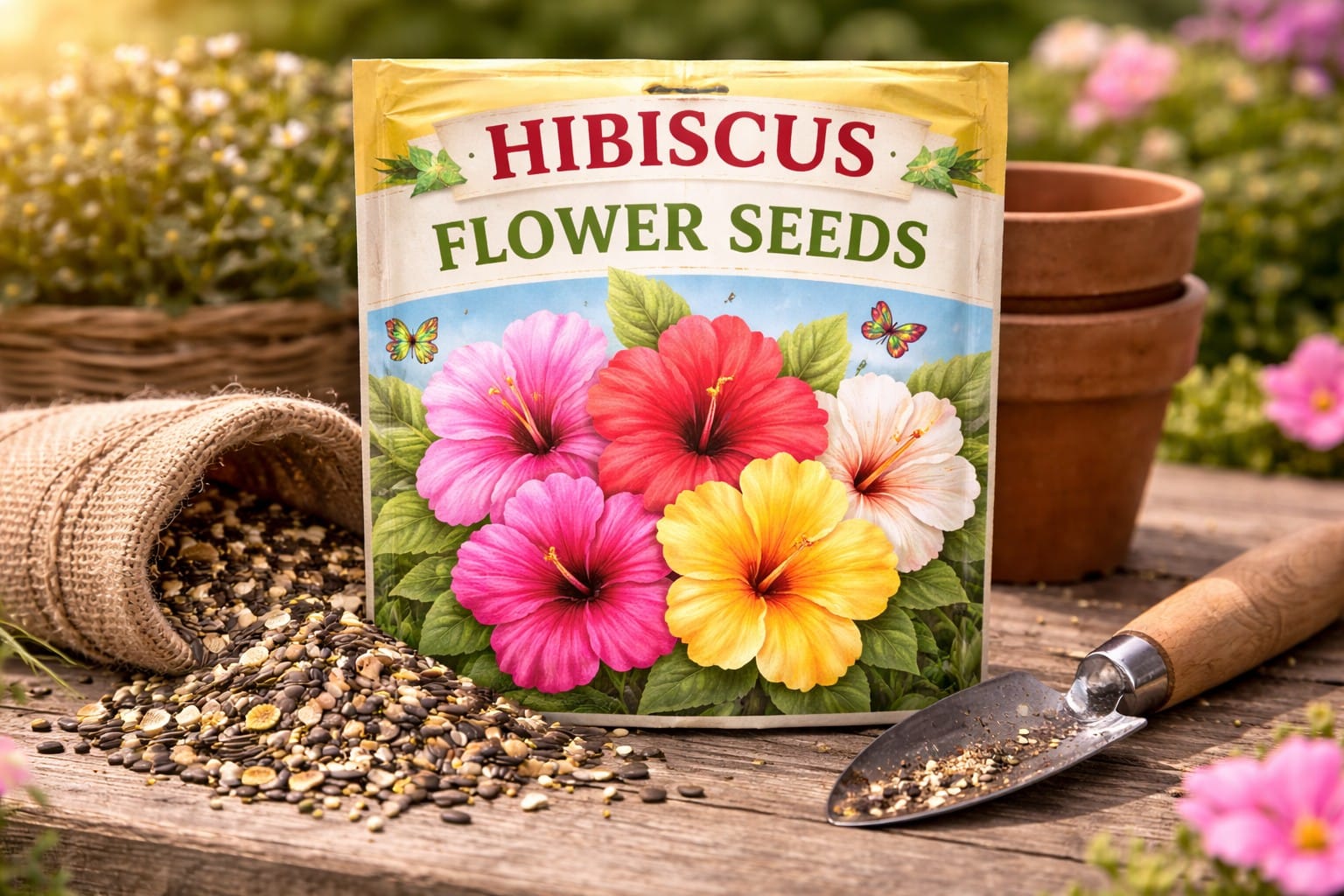
Hibiscus flower seeds are the starting point for growing one of the most vibrant, tropical-looking flowers in the world. Hibiscus plants are loved for their large, colorful, trumpet-shaped blooms that bring an instant exotic feel to gardens, patios, and indoor spaces. With the right care and patience, hibiscus seeds can grow into healthy plants that produce stunning flowers year after year.
This complete guide explains everything about hibiscus flower seeds, including types, seed collection, planting methods, soil and water needs, growth timeline, care tips, common problems, harvesting seeds, storage, and expert growing advice.
What Are Hibiscus Flower Seeds
Hibiscus flower seeds come from mature hibiscus seed pods that form after flowers are pollinated. Each pod contains several hard-coated seeds that can be planted to grow new hibiscus plants.
Hibiscus belongs to the Malvaceae family and includes hundreds of species, ranging from tropical evergreen shrubs to hardy perennial varieties. Plants grown from seed may vary slightly in flower color and size, making seed-grown hibiscus exciting and unique.
Types of Hibiscus Grown From Seeds
Not all hibiscus types are the same. Knowing the type helps determine growing method and climate suitability.
Tropical Hibiscus Seeds
Grown as houseplants or outdoor shrubs in warm climates
Large, glossy leaves and brightly colored flowers
Sensitive to cold and frost
Hardy Hibiscus Seeds
Cold-tolerant perennials
Die back in winter and regrow in spring
Huge dinner-plate-sized flowers
Rose of Sharon Seeds
Hardy flowering shrub
Blooms in late summer
Commonly grown from seed
Native Hibiscus Seeds
Adapted to local climates
Often used in wildlife and pollinator gardens
Highly resilient and low-maintenance
When to Plant Hibiscus Flower Seeds
Timing is important for successful germination.
Best planting time:
Early spring for outdoor planting
Late winter for indoor seed starting
After last frost for transplanting outdoors
Tropical hibiscus seeds are usually started indoors, while hardy hibiscus can be started outdoors in suitable climates.
Preparing Hibiscus Seeds for Planting
Hibiscus seeds have a hard outer coat, which slows germination.
Preparation steps:
Lightly nick seed coat with a nail file
Soak seeds in warm water for 8–24 hours
Discard floating seeds
This process improves germination rates and speeds up sprouting.
Soil Requirements
Hibiscus seeds need loose, well-draining soil.
Ideal soil mix includes:
Light potting soil
Compost or organic matter
Perlite or sand for drainage
Soil pH should be slightly acidic to neutral for best results.
How to Plant Hibiscus Flower Seeds
Step-by-Step Planting
Fill pots or trays with moist potting mix
Plant seeds ¼ inch deep
Cover lightly with soil
Mist gently to avoid washing seeds away
Place in warm, bright location
Temperature and Light
Ideal soil temperature: 70–85°F (21–29°C)
Bright indirect light is best
Avoid direct sunlight until seedlings emerge
Seeds typically germinate in 2–4 weeks, though some may take longer.
Watering During Germination
Proper moisture is crucial.
Watering tips:
Keep soil evenly moist
Do not allow soil to dry out
Avoid soggy conditions
Use spray bottle for gentle watering
Overwatering is a common cause of seed failure.
Hibiscus Seedling Care
Once seedlings emerge, provide proper care.
Care guidelines:
Provide bright light
Rotate pots for even growth
Thin seedlings if crowded
Transplant when they have 2–3 true leaves
Harden off seedlings before moving outdoors.
Transplanting Hibiscus Seedlings
When seedlings are strong enough:
Choose a sunny location
Dig hole slightly larger than root ball
Plant at same depth as pot
Water thoroughly after planting
Outdoor spacing should be 2–4 feet apart, depending on variety.
Ideal Growing Conditions for Hibiscus
Hibiscus plants thrive in:
Full sun to partial shade
Warm temperatures
High humidity
Well-draining, fertile soil
Tropical varieties prefer warmer nights, while hardy hibiscus tolerate cooler climates.
Watering Hibiscus Plants
Hibiscus plants like consistent moisture.
Watering rules:
Water deeply and regularly
Keep soil moist but not waterlogged
Reduce watering in cooler months
Container plants need more frequent watering
Wilting often means the plant needs water.
Fertilizing Hibiscus
Hibiscus are heavy feeders.
Fertilizing tips:
Use balanced or bloom-boosting fertilizer
Feed every 2–3 weeks during growing season
Stop feeding in late fall
Avoid high nitrogen-only fertilizers
Proper feeding promotes lush foliage and abundant blooms.
How Long Do Hibiscus Seeds Take to Flower
Growth timeline:
Germination: 2–4 weeks
Seedling stage: 2–3 months
Vegetative growth: 4–6 months
Flowering: 6–12 months depending on variety
Hardy hibiscus may take longer to bloom than tropical types.
Common Problems and Solutions
Seeds Not Germinating
Caused by old seeds or lack of scarification
Always soak and nick seeds before planting
Yellow Leaves
Caused by overwatering or nutrient deficiency
Improve drainage and fertilize properly
Bud Drop
Caused by stress or inconsistent watering
Maintain steady moisture and temperature
Pests
Aphids, whiteflies, spider mites
Treat with neem oil or insecticidal soap
Diseases
Root rot and fungal infections
Avoid overwatering and improve airflow
Harvesting Hibiscus Seeds
Harvesting seeds allows you to grow future plants.
When to harvest:
Seed pods turn brown and dry
Pods begin to split open
How to harvest:
Cut pods from plant
Dry completely indoors
Open pods and remove seeds
Store in labeled containers
Storing Hibiscus Flower Seeds
For best viability:
Store seeds in cool, dry place
Use paper envelopes or airtight jars
Label with date and variety
Properly stored seeds can last 2–5 years.
Growing Hibiscus in Containers
Hibiscus grows well in pots.
Container tips:
Choose large pots with drainage holes
Use rich potting mix
Place in sunny location
Bring tropical hibiscus indoors during winter
Uses of Hibiscus Flowers
Hibiscus flowers are valued for many uses.
Common uses include:
Ornamental garden plants
Herbal teas (specific varieties)
Natural dyes
Pollinator gardens
Indoor décor
Not all hibiscus varieties are edible, so always confirm species.
Frequently Asked Questions
Are hibiscus seeds easy to grow?
Yes, with proper preparation and warmth.
Can hibiscus grow indoors?
Tropical hibiscus can grow indoors with enough light.
Do hibiscus grown from seed look the same as parent plant?
Not always; seed-grown plants may vary in color and size.
How long do hibiscus plants live?
With care, hibiscus can live many years.
Are hibiscus flowers toxic to pets?
Most hibiscus varieties are non-toxic, but ingestion may cause mild upset.
Expert Growing Tips
Soak and scarify seeds
Use bottom heat for faster germination
Provide consistent moisture
Avoid cold drafts
Be patient, hibiscus takes time
Final Thoughts
Hibiscus flower seeds offer a rewarding way to grow bold, tropical, and eye-catching flowers from the very beginning. While they require patience and proper care, the result is a healthy plant that produces large, colorful blooms that transform any garden or indoor space.
With the right soil, warmth, sunlight, and attention, hibiscus seeds can grow into long-lasting plants that bring beauty, warmth, and tropical charm season after season.