
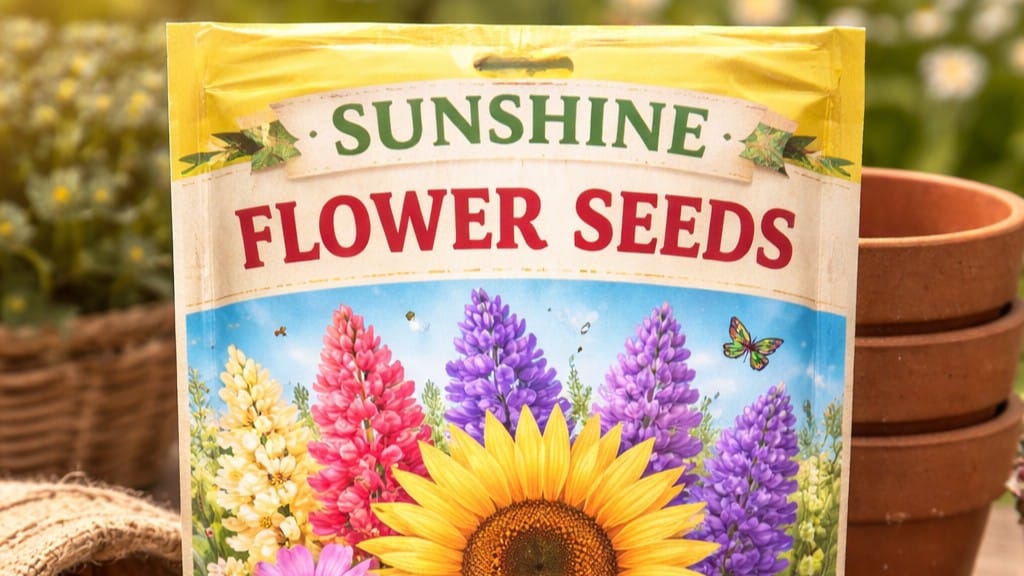
Sunshine flower seeds, commonly known as sunflower seeds, come from one of the brightest and most cheerful plants in the world. Sunflowers are famous for their large golden blooms that follow the sun, symbolizing happiness, positivity, strength, and growth. Whether grown for beauty, seeds, oil, or wildlife, sunshine flower seeds are easy to plant, fast-growing, and incredibly rewarding for gardeners of all skill levels.
This complete guide covers everything you need to know about sunshine flower seeds, including their meaning, types, how to plant them step by step, soil and water needs, care tips, common problems, harvesting seeds, uses, storage, and expert growing advice.
What Are Sunshine Flower Seeds
Sunshine flower seeds are the seeds of the sunflower plant (Helianthus annuus). These seeds are found in the center of the sunflower head after the flower matures. Each seed has a hard outer shell and an edible inner kernel.
Sunflower seeds are grown for multiple purposes:
Garden beauty
Edible seeds and snacks
Sunflower oil
Bird feed
Pollinator support
Sunflowers are annual plants that grow quickly and thrive in sunny conditions, making them perfect for home gardens, farms, and containers.
Meaning and Symbolism of Sunshine Flowers
Sunflowers carry powerful positive symbolism across cultures.
Common meanings include:
Happiness and joy
Positivity and optimism
Loyalty and devotion
Strength and resilience
Growth and success
Because sunflowers turn toward the sun, they are often associated with hope, warmth, and perseverance. Planting sunshine flower seeds is often seen as planting happiness itself.
Types of Sunshine Flower Seeds
There are many types of sunflower seeds, each suited for different uses.
Giant Sunflower Seeds
Grow very tall plants
Large flower heads
Ideal for seed harvesting
Popular varieties include Mammoth
Dwarf Sunflower Seeds
Short plants perfect for containers
Smaller blooms
Great for patios and balconies
Oilseed Sunflower Seeds
Smaller black seeds
High oil content
Used for sunflower oil production
Edible Sunflower Seeds
Striped black and white shells
Used for snacks and roasting
Large kernels
Ornamental Sunflower Seeds
Grown mainly for beauty
Come in yellow, orange, red, and bronze shades
Multiple blooms per plant in some varieties
Choosing the right type depends on whether you want flowers, food, or both.
When to Plant Sunshine Flower Seeds
Timing is important for successful growth.
Best planting time:
After the last frost in spring
When soil temperature reaches at least 55–60°F (13–16°C)
Late spring to early summer in most regions
Sunflowers do not tolerate frost, so planting too early can damage seeds or seedlings.
Ideal Growing Conditions
Sunshine flower seeds thrive in simple conditions.
They need:
Full sun (6–8 hours daily)
Warm temperatures
Well-draining soil
Open space for tall varieties
The more sun they receive, the stronger and taller the plants grow.
Soil Requirements
Sunflowers are adaptable but prefer:
Loose, well-draining soil
Moderately fertile soil
Neutral to slightly acidic pH
Soil enriched with compost
Avoid heavy clay soil, which can cause root problems and poor growth.
How to Plant Sunshine Flower Seeds
Planting sunflower seeds is easy and beginner-friendly.
Step-by-Step Planting
Choose a sunny location
Loosen soil and remove weeds
Plant seeds 1 to 1.5 inches deep
Space seeds 6–24 inches apart depending on variety
Cover lightly with soil
Water gently after planting
Seeds usually germinate within 7 to 10 days.
Planting in Containers
Use deep pots with drainage holes
Choose dwarf or medium varieties
Use high-quality potting mix
Water regularly
Container-grown sunflowers need more frequent watering.
Watering Sunshine Flower Plants
Sunflowers need consistent moisture, especially when young.
Watering tips:
Water deeply 1–2 times per week
Keep soil moist but not soggy
Water at the base, not on leaves
Increase watering during hot weather
Once established, sunflowers are fairly drought-tolerant.
Fertilizing Sunflowers
Sunflowers are moderate feeders.
Fertilizing guidelines:
Mix compost into soil before planting
Use balanced fertilizer once plants are 12 inches tall
Avoid excess nitrogen
Stop fertilizing once flowering begins
Too much fertilizer leads to weak stems and fewer blooms.
How Long Do Sunflowers Take to Grow
Growth timeline:
Germination: 7–10 days
Vegetative growth: 3–6 weeks
Bud formation: 6–8 weeks
Flowering: 8–12 weeks after planting
Some varieties bloom faster, while giant sunflowers take longer.
Caring for Sunshine Flowers
Basic care keeps plants healthy and upright.
Care tips:
Stake tall varieties to prevent bending
Mulch to retain moisture
Remove weeds regularly
Protect young plants from birds and pests
Strong stems develop when plants are grown in full sun with proper spacing.
Common Problems and Solutions
Poor Germination
Caused by cold soil or overwatering
Plant after frost and ensure good drainage
Wilting Plants
Caused by underwatering or heat stress
Water deeply and mulch soil
Weak Stems
Caused by excess nitrogen or shade
Provide full sun and reduce fertilizer
Pests
Birds, squirrels, aphids, caterpillars
Use netting, neem oil, or natural deterrents
Diseases
Fungal issues from poor airflow
Space plants properly and avoid wet leaves
Harvesting Sunshine Flower Seeds
Harvesting seeds is simple and rewarding.
When to Harvest
Flower heads turn brown
Petals dry and fall off
Seeds loosen easily
How to Harvest
Cut flower head with 6–12 inches of stem
Hang upside down in a dry, airy place
Rub seeds out once fully dry
Remove shells or store whole
Proper drying prevents mold and spoilage.
How to Store Sunflower Seeds
For planting:
Store in a cool, dry place
Use paper envelopes or glass jars
Label with date and variety
For eating:
Store in airtight containers
Keep in refrigerator or freezer for longer freshness
Stored properly, seeds last up to one year or more.
Uses of Sunshine Flower Seeds
Sunflower seeds are extremely versatile.
Common uses include:
Snacking (roasted or raw)
Baking and cooking
Salads and granola
Sunflower oil
Bird feed
Seed saving for next season
Sunflowers also support bees, butterflies, and birds, making them eco-friendly garden plants.
Growing Sunflowers for Wildlife
Sunflowers are excellent for wildlife gardens.
They attract:
Bees during flowering
Butterflies
Birds that eat mature seeds
Beneficial insects
Planting sunflowers helps support local ecosystems.
Can You Grow Sunflowers Indoors
Sunflowers can be started indoors but prefer outdoor growth.
Indoor tips:
Start seeds in biodegradable pots
Transplant carefully to avoid root disturbance
Provide strong light
Move outdoors once weather warms
Dwarf varieties perform best indoors.
Frequently Asked Questions
Are sunshine flower seeds easy to grow?
Yes, they are among the easiest seeds to grow for beginners.
Do sunflowers need full sun?
Yes, full sun is essential for healthy growth and blooms.
How many seeds does one sunflower produce?
A single flower head can produce 500–2,000 seeds.
Are sunflower seeds safe to eat?
Yes, edible varieties are nutritious and rich in healthy fats.
Can sunflowers grow in poor soil?
Yes, but better soil produces stronger plants and larger flowers.
Expert Growing Tips
Plant seeds directly in the ground
Choose varieties suited to your space
Protect seedlings from birds
Stake tall varieties early
Harvest seeds before birds eat them
Small steps make a big difference in success.
Final Thoughts
Sunshine flower seeds are a perfect choice for gardeners who want fast growth, bright blooms, and useful harvests. From their joyful appearance to their nutritious seeds, sunflowers bring beauty, meaning, and value to any garden.
With full sun, simple care, and proper watering, sunshine flower seeds grow into tall, radiant plants that lift the mood and support nature. Whether you grow them for flowers, food, or wildlife, sunflowers truly live up to their name as the ultimate sunshine plant.