
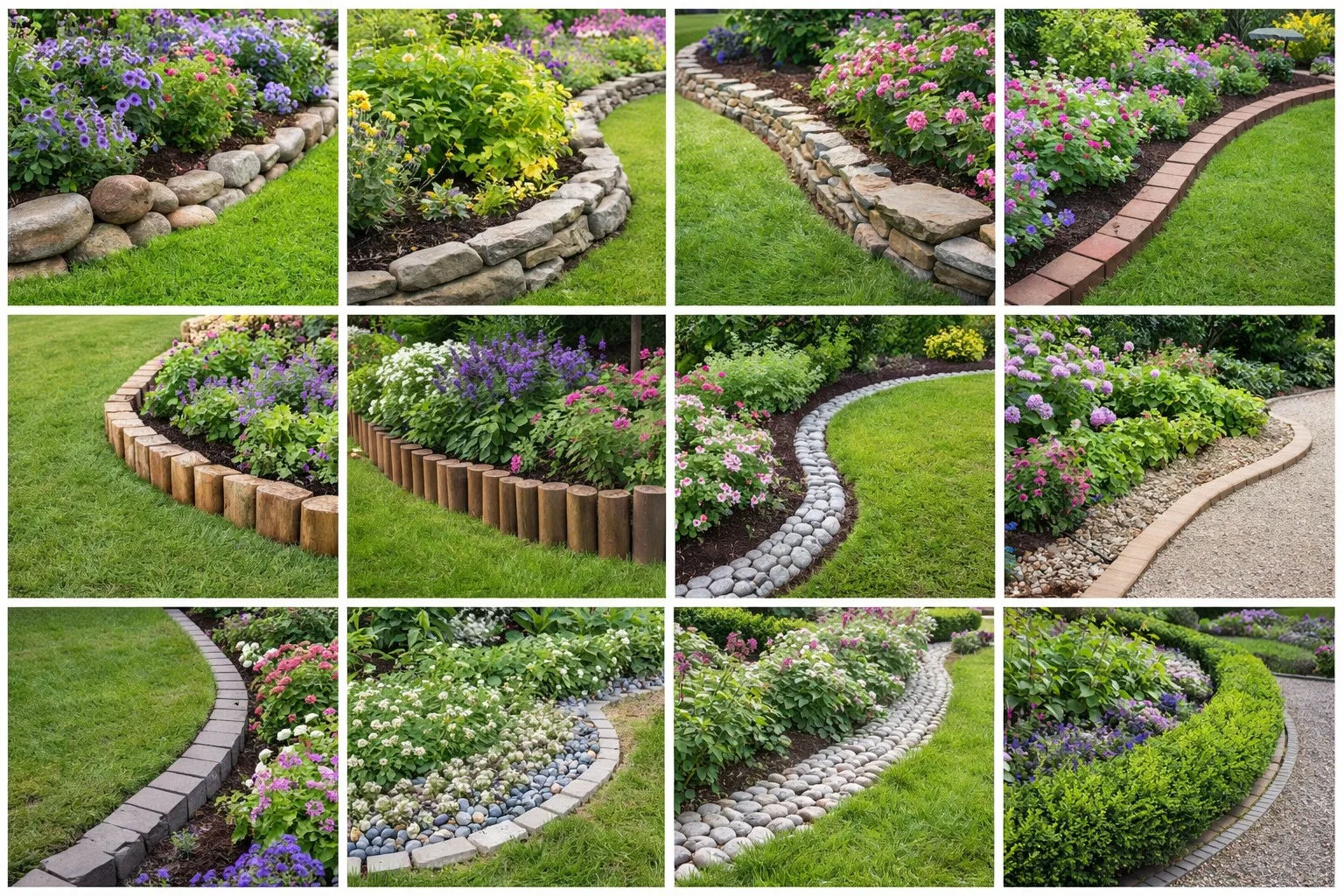
Gardening borders are more than just decorative elements—they define spaces, protect plants, control weeds, and add structure to your garden. Whether you have flowers, vegetables, shrubs, or a mix of plants, a well-planned border improves aesthetics and makes gardening easier to maintain. Borders also guide pathways, separate different plant types, and can prevent soil erosion.
This comprehensive guide covers everything you need to know about gardening borders, including types, materials, design ideas, installation methods, maintenance, practical tips, mistakes to avoid, and frequently asked questions.
What Are Gardening Borders
Gardening borders are physical or visual edges that separate sections of a garden or define the boundaries of plant beds. They can be functional, decorative, or both. Borders help organize space, guide foot traffic, and give gardens a polished, intentional look.
Benefits of gardening borders include:
- Clearly defined planting areas
- Reduced soil and mulch spillage
- Easier mowing and maintenance
- Prevention of grass and weed intrusion
- Enhanced garden aesthetics
Borders are suitable for flower beds, vegetable plots, shrubs, lawns, and paths.
Why Gardening Borders Are Important
Borders serve multiple purposes in a garden.
- Structural Organization
Borders separate different plant types or sections, giving the garden a professional and tidy appearance. - Soil and Mulch Containment
Raised or edged borders help keep soil, compost, and mulch inside beds. - Weed Control
Borders limit invasive grass and weeds from entering plant beds. - Pathway Guidance
Borders clearly define walkways, reducing accidental stepping on plants. - Visual Appeal
Borders add texture, color, and style to a garden, creating harmony and focus points.
Types of Gardening Borders
Borders can be functional, decorative, or a combination of both.
1. Edging Borders
These are simple edges separating beds from lawns or pathways.
Materials include:
- Plastic or metal strips
- Bricks
- Stones or pebbles
- Timber planks
Edging borders prevent grass encroachment and help define garden lines.
2. Raised Borders
Raised borders elevate soil above the surrounding ground.
Benefits include:
- Improved drainage
- Warmer soil in spring
- Better root growth
Materials include: - Wood
- Stone
- Concrete blocks
- Bricks
Raised beds are ideal for vegetables and herbs.
3. Living Borders
Living borders are made of plants themselves.
Examples include:
- Low shrubs
- Hedge plants
- Flowering perennials
- Ornamental grasses
They add greenery and can create privacy, windbreaks, or wildlife habitat.
4. Decorative Borders
These borders prioritize aesthetics.
Options include:
- Mosaic stones
- Ceramic tiles
- Sculpted wood
- Artistic metalwork
Decorative borders add personality and style to a garden.
5. Natural Borders
Natural borders use organic materials to define edges.
Materials include:
- Logs or branches
- Mulch or bark
- Rock piles
- Gravel
They blend seamlessly with the garden environment.
Choosing the Right Material for Garden Borders
The right material depends on purpose, style, and budget.
- Wood: Affordable, natural look, good for raised beds, but can rot over time.
- Stone: Durable, timeless, can be stacked or arranged in curves.
- Brick: Classic and formal appearance, strong and long-lasting.
- Metal: Sleek, modern, long-lasting, and easy to shape.
- Plastic or Composite: Budget-friendly, lightweight, and weather-resistant.
- Plants: Living borders add greenery but require maintenance and time to grow.
Designing Your Garden Borders
Good design balances function and aesthetics.
1. Plan Layout
Sketch your garden, noting paths, beds, and areas needing definition.
2. Consider Height
- Low borders: 3–6 inches, good for flowers or edging.
- Medium borders: 6–12 inches, suitable for vegetables or small shrubs.
- Tall borders: 12+ inches, ideal for raised beds or decorative effects.
3. Curved vs Straight Lines
- Curved borders: Soft, natural look, ideal for informal gardens.
- Straight borders: Formal, structured, suitable for modern or geometric gardens.
4. Color and Texture
Contrast materials or colors with plants for visual interest.
- Dark mulch against bright flowers
- Stone or brick to complement plant tones
How to Install Gardening Borders
Step-by-step guide for edging borders:
- Mark the Border: Use string or spray paint to define edges.
- Dig a Trench: 4–6 inches deep for most borders.
- Prepare Material: Lay bricks, stones, or edging strips.
- Level and Secure: Ensure edges are even and stable.
- Backfill Soil: Fill gaps around edges to hold materials in place.
- Mulch and Finish: Add mulch or soil to finalize the border and integrate it with the garden.
For raised beds or living borders, follow specific planting or construction methods.
Maintaining Garden Borders
Proper maintenance ensures borders last and look good.
- Inspect regularly for shifting or erosion
- Refill soil or mulch as needed
- Trim living borders to maintain shape
- Clean decorative materials from debris
- Replace damaged wood, bricks, or plastic
Routine maintenance keeps borders functional and attractive.
Common Mistakes When Creating Borders
Avoiding mistakes saves time and effort.
- Choosing the wrong height or width
- Using materials that rot or fade quickly
- Ignoring drainage needs
- Planting living borders too close to other plants
- Not aligning borders with paths or garden flow
Plan ahead to avoid these pitfalls.
Benefits of Using Gardening Borders
- Organized and visually appealing garden layout
- Reduced weed growth and maintenance
- Defined paths and planting areas
- Protection of plants from foot traffic
- Easier watering, fertilizing, and harvesting
Borders combine functionality with beauty.
Borders for Different Types of Gardens
- Flower Gardens: Low stone, wood, or plastic edging
- Vegetable Gardens: Raised beds or timber borders
- Herb Gardens: Small stone or brick borders
- Pathways: Gravel, brick, or metal edging
- Wild Gardens: Natural borders like logs, mulch, or shrubs
Choosing the right border type enhances garden harmony.
Frequently Asked Questions
What are the best materials for garden borders?
Wood, stone, brick, metal, or living plants. Choice depends on aesthetics and durability.
Can I use borders for raised beds?
Yes, raised borders improve drainage, soil warmth, and plant growth.
How high should garden borders be?
Typically 3–12 inches for edging, taller for raised beds.
Do living borders need maintenance?
Yes, they require regular pruning, watering, and care.
Can borders prevent weeds completely?
Borders help control weeds, but additional mulching and maintenance are needed for best results.
Final Thoughts
Gardening borders are an essential element of a well-organized and beautiful garden. They define planting areas, protect soil and plants, reduce weeds, and add style and structure. Whether using natural materials, decorative elements, or living plants, borders make your garden look intentional and cared for.
By planning thoughtfully, choosing suitable materials, and maintaining borders properly, you can enhance both the beauty and functionality of your garden while making your gardening tasks easier and more efficient. Borders are small additions that provide big impact for any garden, whether it’s a flower bed, vegetable plot, or ornamental landscape.