
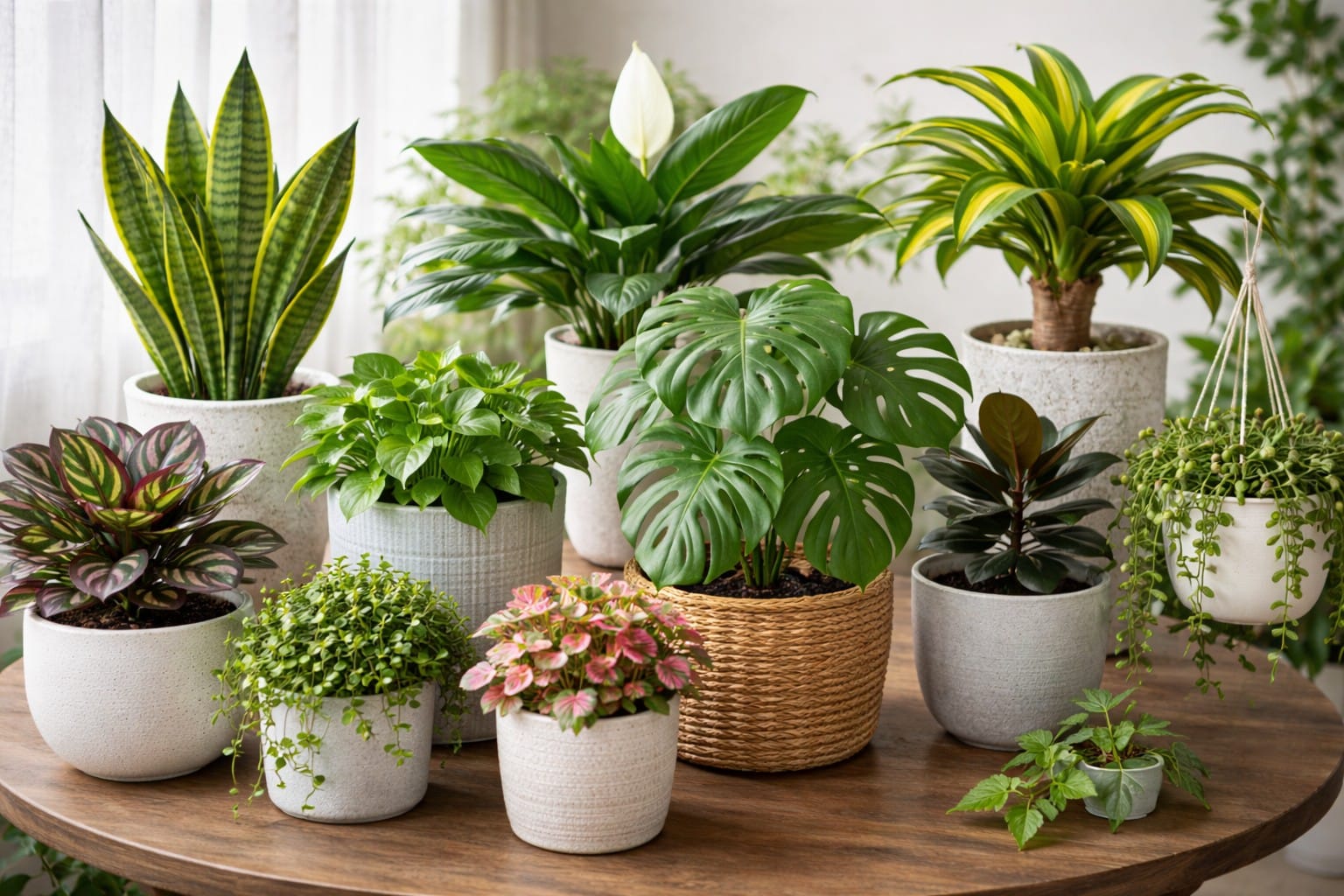
Good houseplants are plants that grow well indoors, look attractive year-round, and fit easily into everyday life. They don’t just survive inside homes—they thrive. A good houseplant is one that matches indoor light, temperature, and humidity, while rewarding you with healthy growth, beautiful leaves, or flowers without demanding constant care.
This in-depth guide explains what makes a houseplant good, the best good houseplants for different situations, care basics, placement tips, common mistakes, and expert advice so you can choose plants that actually succeed indoors and stay beautiful long-term.
What Makes a Houseplant “Good”
Not every plant sold as a houseplant performs well indoors. Truly good houseplants share important qualities that help them adapt to indoor living.
Good houseplants usually:
- Tolerate indoor light levels
- Grow well in containers
- Adapt to average home humidity
- Handle occasional missed watering
- Stay attractive year-round
- Resist common pests
A good houseplant fits your lifestyle instead of forcing you to change your routine.
Why Choosing Good Houseplants Matters
Choosing the right plants saves time, money, and frustration.
Benefits of good houseplants include:
- Higher success rates
- Less maintenance
- Longer plant lifespan
- Better indoor appearance
- Improved confidence for beginners
When you start with good houseplants, indoor gardening becomes enjoyable instead of stressful.
Snake Plant
The snake plant is one of the best all-around houseplants.
Why it’s a good houseplant:
- Thrives in low to bright light
- Needs watering only every few weeks
- Strong, upright structure
- Extremely durable
Its tall leaves work well in modern interiors, bedrooms, and offices.
Care basics:
- Let soil dry completely
- Avoid overwatering
- Use well-draining soil
Pothos
Pothos is a classic good houseplant for any home.
Why it performs so well:
- Adapts to many light conditions
- Fast-growing and forgiving
- Trails or climbs easily
- Simple to propagate
It looks great on shelves, hanging baskets, or climbing up supports.
Care basics:
- Water when top soil dries
- Bright indirect light for best growth
- Trim to keep it full
ZZ Plant
The ZZ plant is ideal for low-light spaces.
Why it’s considered a great houseplant:
- Stores water in thick roots
- Survives long dry periods
- Tolerates low light
- Rarely attracts pests
It’s perfect for offices, apartments, and dark corners.
Care basics:
- Water every 2–3 weeks
- Avoid soggy soil
- Low to medium light
Spider Plant
Spider plants are reliable and cheerful.
Why they’re good houseplants:
- Easy to grow
- Adaptable to different light levels
- Produce baby plants
- Safe for most indoor spaces
Their arching leaves add movement and softness to rooms.
Care basics:
- Water when soil is slightly dry
- Bright indirect light preferred
- Trim brown tips if needed
Peace Lily
Peace lilies combine beauty with simplicity.
Why they’re good houseplants:
- Tolerate low to medium light
- Clearly show when they need water
- Glossy leaves stay attractive
- Elegant white blooms
They’re excellent for bedrooms and living rooms.
Care basics:
- Water when leaves droop slightly
- Avoid direct sunlight
- Keep soil lightly moist
Dracaena
Dracaena plants are strong indoor performers.
Why they work so well indoors:
- Adapt to low light
- Need infrequent watering
- Grow slowly and steadily
- Add height to spaces
Popular varieties include Janet Craig and Massangeana.
Care basics:
- Allow soil to dry between watering
- Bright indirect light preferred
- Avoid fluoride-heavy water
Rubber Plant
Rubber plants are bold and dependable.
Why they’re good houseplants:
- Thick leaves resist damage
- Tolerate missed waterings
- Strong upright growth
- Attractive glossy foliage
They work well as statement plants.
Care basics:
- Water when top soil dries
- Bright indirect light
- Wipe leaves occasionally
Chinese Evergreen
Chinese evergreens are perfect for indoor life.
Why they’re good houseplants:
- Tolerate low light
- Adapt to indoor humidity
- Slow, steady growth
- Decorative patterned leaves
They’re excellent for apartments and offices.
Care basics:
- Moderate watering
- Avoid cold drafts
- Low to medium light
Aloe Vera
Aloe vera is both decorative and useful.
Why it’s a good houseplant:
- Stores water in leaves
- Needs very little care
- Thrives in bright light
- Long-lasting
It’s ideal for sunny windows.
Care basics:
- Let soil dry completely
- Use cactus soil
- Bright indirect or direct light
Good Houseplants for Low Light
Not every home has bright windows.
Good low-light houseplants include:
- Snake plant
- ZZ plant
- Cast iron plant
- Chinese evergreen
- Dracaena
These plants survive and grow slowly even in dim rooms.
Good Houseplants for Bright Light
Bright spaces allow for more options.
Good choices include:
- Rubber plant
- Fiddle leaf fig
- Aloe vera
- Monstera
- Hibiscus
Bright indirect light is usually best.
Watering Basics for Good Houseplants
Watering correctly keeps good houseplants healthy.
Simple rules:
- Check soil before watering
- Never let plants sit in water
- Use pots with drainage holes
Overwatering is the most common reason houseplants fail.
Soil and Pots
Good houseplants need good soil and proper containers.
Best practices:
- Use light, well-draining potting mix
- Avoid heavy garden soil
- Choose pots with drainage holes
Good soil prevents root rot and supports healthy growth.
Common Mistakes That Ruin Good Houseplants
Avoid these problems:
- Overwatering
- Placing plants in direct sun without adjustment
- Using poor drainage pots
- Over-fertilizing
- Moving plants too often
Stable conditions help plants thrive.
Fertilizing Good Houseplants
Most good houseplants are light feeders.
Fertilizing tips:
- Feed once a month in spring and summer
- Use diluted liquid fertilizer
- Stop feeding in winter
More fertilizer does not mean better growth.
Best Places to Put Good Houseplants
Placement matters.
Good locations include:
- Living rooms
- Bedrooms
- Offices
- Entryways
- Shelves and corners
Match plant light needs to the space.
How Long Do Good Houseplants Live
With proper care, many houseplants live for decades.
Longevity depends on:
- Light
- Watering habits
- Pot size
- Consistent care
Some plants even get better-looking with age.
Benefits of Having Good Houseplants
Good houseplants offer more than decoration.
Benefits include:
- A calmer indoor environment
- Natural beauty
- Improved mood
- Better connection to nature
- Easy home styling
They bring life into indoor spaces.
Frequently Asked Questions
Good houseplants are plants that adapt well to indoor conditions. Snake plants and pothos are among the best choices. Low light does not mean no light. Overwatering causes most problems. With basic care, good houseplants stay healthy for many years.
Final Thoughts
Choosing good houseplants is the key to successful indoor gardening. Instead of fighting nature, you work with plants that naturally fit indoor life. These plants forgive mistakes, grow steadily, and reward you with lasting beauty.
Whether you are a beginner or an experienced plant lover, filling your home with good houseplants creates a space that feels calmer, greener, and more alive. Start with the right plants, keep care simple, and enjoy the long-term joy that good houseplants bring into your home.