
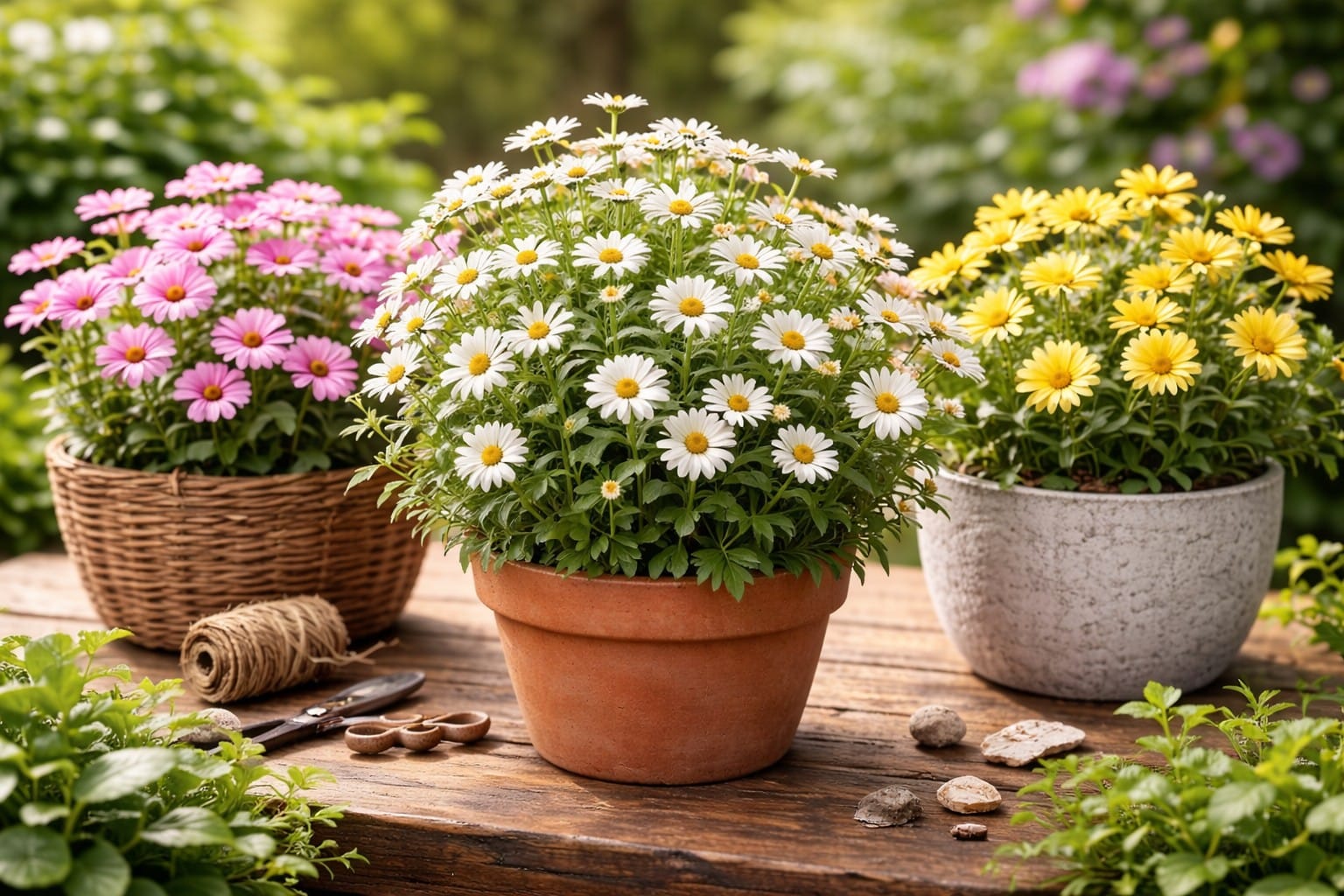
Flowering daisy plants are among the most cheerful and widely loved flowers in the world. With their bright centers, delicate petals, and long blooming season, daisies bring a feeling of happiness, freshness, and simplicity to gardens, balconies, and indoor spaces. They are easy to grow, beginner-friendly, and incredibly versatile, making them a favorite choice for home gardeners and flower lovers alike.
Daisies are more than just pretty flowers. They are hardy plants that adapt well to different climates, bloom generously with proper care, and attract beneficial pollinators like bees and butterflies. In this complete guide, you’ll learn everything you need to know about flowering daisy plants, including types, growing conditions, planting methods, care routines, common problems, uses, and expert tips to keep them blooming beautifully.
What Are Flowering Daisy Plants?
Flowering daisy plants belong to the Asteraceae family, one of the largest plant families in the world. This family includes thousands of flowering plants with a similar structure: a central disc surrounded by petal-like ray flowers. What looks like one flower is actually many tiny flowers grouped together, working as a single bloom.
Key characteristics of daisy plants include:
- Bright central disc, often yellow
- White, pink, purple, or colorful petals
- Compact to bushy growth habit
- Long flowering period
- Easy-care nature
Daisies can be annuals, perennials, or shrubs, depending on the variety, and they grow well both outdoors and indoors with enough sunlight.
Why Daisy Plants Are So Popular
Flowering daisy plants are popular because they are:
- Easy to grow and maintain
- Long-lasting bloomers
- Suitable for beginners
- Adaptable to many climates
- Perfect for gardens, pots, and borders
- Symbolic and meaningful flowers
Their simple beauty fits perfectly in cottage gardens, modern landscapes, and even minimalist indoor décor.
Types of Flowering Daisy Plants
There are many types of daisy plants, each with unique colors, sizes, and growing habits.
Shasta Daisy
Shasta daisies are classic garden daisies with white petals and yellow centers. They are perennials that bloom from late spring to summer.
- Height: 2–3 feet
- Sun: Full sun
- Use: Garden beds, borders, cut flowers
Gerbera Daisy
Gerbera daisies are known for their large, bold, colorful blooms in red, pink, orange, yellow, and white. They are commonly grown in pots and as houseplants.
- Height: 12–18 inches
- Sun: Bright light
- Use: Indoor plants, containers, floral arrangements
African Daisy
African daisies have vibrant colors and often feature dark centers or multi-colored petals. They thrive in warm climates and bloom heavily in spring and fall.
- Height: 1–2 feet
- Sun: Full sun
- Use: Ground cover, borders, pots
English Daisy
English daisies are low-growing plants with small, delicate blooms, often used in lawns and edging.
- Height: 6–8 inches
- Sun: Full sun to partial shade
- Use: Edging, ground cover
Oxeye Daisy
Oxeye daisies are wildflower-style daisies with a natural, meadow-like appearance.
- Height: 1–3 feet
- Sun: Full sun
- Use: Wildflower gardens, natural landscapes
Ideal Growing Conditions for Daisy Plants
Light Requirements
Daisy plants grow best in full sun, receiving at least 6 hours of sunlight daily.
- More sun equals more flowers
- Partial shade is tolerated in hot climates
- Low light leads to weak stems and fewer blooms
Soil Needs
Daisies prefer well-draining soil that is moderately fertile.
- Loamy or sandy soil works best
- Avoid heavy clay soil
- Slightly acidic to neutral pH is ideal
Good drainage is essential, as daisies do not like soggy roots.
Watering
Daisy plants like consistent moisture, especially during active growth and flowering.
- Water when the top inch of soil feels dry
- Avoid overwatering
- Established plants are moderately drought-tolerant
Container-grown daisies may need more frequent watering than garden-grown plants.
Temperature and Climate
Most daisies thrive in mild to warm temperatures.
- Ideal temperature: 60–75°F (15–24°C)
- Some varieties tolerate light frost
- Extreme heat may reduce flowering
Perennial daisies die back in winter and return in spring.
How to Plant Flowering Daisy Plants
Planting in the Garden
- Choose a sunny location with good drainage
- Dig a hole twice the size of the root ball
- Place the plant at the same depth it was growing before
- Fill with soil and water thoroughly
Planting in Pots
- Use containers with drainage holes
- Fill with well-draining potting mix
- Place in a bright, sunny location
- Water until excess drains out
Potted daisies are great for patios, balconies, and indoor sunny windows.
Fertilizing Daisy Plants
Daisies are not heavy feeders, but regular feeding improves blooming.
- Use balanced fertilizer every 4–6 weeks
- Avoid high-nitrogen fertilizers
- Organic compost works well for garden plants
Too much fertilizer causes leafy growth with fewer flowers.
Pruning and Deadheading
Deadheading is one of the most important steps for continuous blooming.
- Remove spent flowers regularly
- Encourages new buds
- Keeps plants tidy
At the end of the season, cut back perennial daisies to promote healthy regrowth next year.
Common Problems and Solutions
Yellow Leaves
- Overwatering or poor drainage
- Nutrient deficiency
- Adjust watering and soil quality
Fewer Flowers
- Lack of sunlight
- No deadheading
- Too much nitrogen
Pests
- Aphids, spider mites, and thrips
- Treat with neem oil or insecticidal soap
Diseases
- Powdery mildew from poor airflow
- Root rot from soggy soil
- Improve spacing and drainage
Propagation of Daisy Plants
Daisy plants can be propagated through:
- Seeds
- Division of mature plants
- Cuttings (for some varieties)
Division is the easiest method for perennial daisies and helps rejuvenate old plants.
Benefits of Growing Flowering Daisy Plants
- Brightens gardens and indoor spaces
- Long flowering season
- Attracts pollinators
- Easy for beginners
- Great cut flowers
- Symbolic and meaningful
Symbolism and Meaning of Daisies
Daisies symbolize:
- Innocence
- Purity
- New beginnings
- Joy and positivity
They are often associated with happiness and simplicity, making them popular in bouquets and gardens.
Are Daisy Plants Good for Beginners?
Yes, flowering daisy plants are excellent for beginners because they:
- Grow quickly
- Tolerate small mistakes
- Require simple care
- Bloom generously
With basic sunlight, watering, and deadheading, daisies reward growers with months of flowers.
Frequently Asked Questions About Flowering Daisy Plants
Flowering daisies usually bloom from spring through summer, and some varieties bloom into fall. Most daisies need full sun to flower well. Daisies can be grown indoors if placed in a bright, sunny location. Perennial daisies come back every year, while annual varieties complete their life cycle in one season. Regular deadheading helps daisies bloom longer and stay healthy.
Final Thoughts
Flowering daisy plants are a timeless choice for any garden or home. Their bright blooms, easy care, and long-lasting flowers make them perfect for beginners and experienced gardeners alike. Whether planted in garden beds, containers, or grown indoors, daisies bring cheerfulness, color, and natural beauty wherever they grow.
With the right sunlight, proper watering, good soil, and regular deadheading, daisy plants will thrive and reward you with an abundance of flowers season after season. Simple, joyful, and reliable, flowering daisies truly deserve a place in every plant collection.