
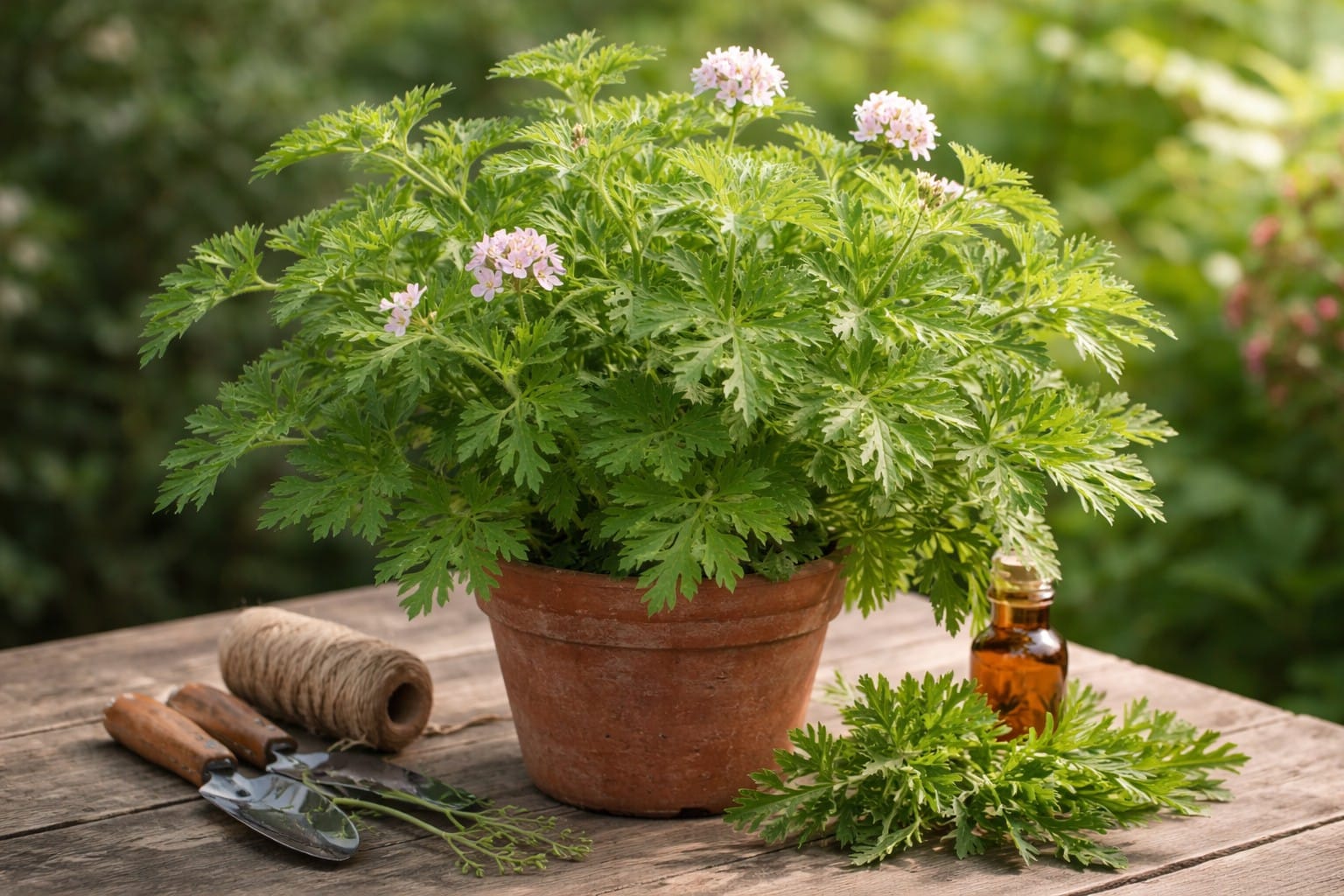
The citronella plant (Cymbopogon nardus or Cymbopogon winterianus) is a fragrant, tropical plant widely grown for its insect-repelling properties, aromatic scent, and decorative appeal. Often called the “mosquito plant,” it’s a favorite in gardens, patios, and indoor containers for keeping bugs away naturally.
This guide will cover everything you need to know about citronella plants: care, planting, propagation, uses, benefits, common problems, and FAQs, providing a complete resource for gardeners and plant enthusiasts.
What is a Citronella Plant?
The citronella plant is a tropical perennial grass native to Southeast Asia. It belongs to the Poaceae family and is closely related to lemongrass. Its leaves are long, thin, and aromatic, releasing a lemony fragrance when crushed.
Key features of citronella plants:
- Leaves: Long, narrow, and green; release a lemon-like scent when rubbed.
- Stems: Clumping grass-like growth that can reach 3–6 feet outdoors.
- Flowers: Small, feathery, pale-colored blooms.
- Growth: Fast-growing in tropical and subtropical climates.
Citronella is commonly grown for ornamental purposes, natural pest control, and essential oil extraction.
Symbolism and Meaning
- Protection: Traditionally believed to ward off mosquitoes and negative energy.
- Health and Wellness: Known for calming and refreshing effects through its aroma.
- Decorative Appeal: Adds texture and height to gardens, patios, and indoor spaces.
Types of Citronella Plants
- Cymbopogon nardus: The most common species; tall grass with strong aroma, widely used in outdoor gardens.
- Cymbopogon winterianus: Often used for essential oil production; more compact growth.
- Variegated Citronella Grass: Features striped green and yellow leaves, perfect for decorative purposes.
Each type has slightly different growth patterns, scent intensity, and hardiness, making it suitable for different uses and climates.
Ideal Growing Conditions
Light
- Requires full sun to partial shade.
- At least 6 hours of sunlight daily ensures vigorous growth and strong aroma.
- Can tolerate light shade but may grow slower.
Watering
- Keep soil consistently moist but not waterlogged.
- Reduce watering in cooler months when growth slows.
- Overwatering can cause root rot, so ensure proper drainage.
Soil
- Prefers well-draining, loamy soil rich in organic matter.
- Slightly acidic to neutral pH (6.0–7.0) is ideal.
- Raised beds or containers are great for controlled soil conditions.
Temperature and Humidity
- Thrives in warm climates (70–90°F / 21–32°C).
- Sensitive to frost; protect from temperatures below 40°F (4°C).
- Prefers moderate to high humidity for optimal growth.
Fertilization
- Feed monthly with balanced liquid fertilizer during growing season.
- Slow-release fertilizers can also be used.
- Avoid excessive nitrogen, which promotes foliage but reduces essential oil content.
How to Plant Citronella
Planting Outdoors
- Choose a sunny location with well-draining soil.
- Space plants 24–36 inches apart to allow for clumping growth.
- Dig a hole slightly larger than the root ball and plant gently.
- Water thoroughly after planting.
Planting in Containers
- Use large pots with drainage holes.
- Plant one or more clumps per container for a lush effect.
- Ideal for patios, balconies, or indoor bright spots.
Propagation of Citronella Plants
Citronella plants are easy to propagate, mainly through division or stem cuttings:
1. Division
- Dig up an established clump.
- Separate sections with healthy roots and shoots.
- Replant divisions in fresh soil with proper spacing.
- Water well after planting.
2. Stem Cuttings
- Take 6–8 inch tall healthy stems.
- Plant in moist soil or water until roots form.
- Transplant rooted cuttings to soil.
Propagation is ideal for expanding your garden or creating a natural mosquito-repelling barrier around your home.
Uses of Citronella Plants
1. Natural Mosquito Repellent
- Leaves release citronella oil, which mosquitoes dislike.
- Plant near patios, windows, or seating areas.
- Crush leaves for extra potency in repelling insects.
2. Essential Oil
- Extracted from leaves and stems for aromatherapy, soaps, and candles.
- Known for stress relief, calming effects, and antibacterial properties.
3. Ornamental Landscaping
- Adds height, texture, and fragrance to gardens.
- Variegated varieties provide visual interest.
- Works well as a border, hedge, or accent plant.
4. Culinary Uses
- Some citronella species can be used like lemongrass in teas, soups, and flavorings.
Common Problems and Solutions
- Root Rot: Caused by waterlogged soil. Ensure drainage and avoid overwatering.
- Yellow Leaves: Often due to nutrient deficiency or improper sunlight. Adjust fertilizer and light.
- Pests: Aphids, spider mites, or mealybugs may appear. Remove with water spray or insecticidal soap.
- Cold Damage: Protect from frost; move containers indoors or use mulch outdoors in winter.
- Weak Aroma: Plants grown in shade or poor soil may produce less oil. Ensure full sun and healthy soil.
Styling Tips
- Plant in containers near outdoor seating for natural mosquito control.
- Use as a tall accent plant in gardens or borders.
- Pair with bright flowering plants for contrast.
- Crush leaves occasionally to release aroma and enhance ambiance.
- Group multiple pots for a mini tropical feel on balconies or patios.
Benefits of Citronella Plants
- Natural Pest Control: Effective against mosquitoes and some flying insects.
- Air Purification: Improves air quality with aromatic oils.
- Stress Relief: Pleasant lemony scent reduces anxiety and promotes relaxation.
- Decorative: Adds greenery, height, and texture to indoor and outdoor spaces.
- Eco-Friendly: Reduces dependence on chemical repellents.
FAQs About Citronella Plants
Q: Can citronella plants be grown indoors?
A: Yes, with bright sunlight and a warm environment. Large containers work best.
Q: How often should I water my citronella plant?
A: Keep soil moist but not soggy. Water 2–3 times per week in warm weather, less in winter.
Q: How tall do citronella plants grow?
A: Typically 3–6 feet outdoors; container growth may be smaller.
Q: Do citronella plants really repel mosquitoes?
A: Yes, the leaves release citronella oil, which mosquitoes find unpleasant. Crush leaves for stronger effect.
Q: Can citronella plants survive frost?
A: No, they are tropical and sensitive to cold. Move pots indoors or protect outdoor plants.
Q: How do I propagate citronella plants?
A: Through division of clumps or stem cuttings. Roots develop in 2–3 weeks.
Expert Tips for Thriving Citronella Plants
- Provide full sunlight for strong growth and aroma.
- Use well-draining soil to prevent root rot.
- Fertilize monthly during active growth.
- Trim old leaves to maintain tidy clumps.
- Container-grown plants can be moved indoors during winter.
- Crush leaves occasionally to release fragrance and maximize pest control benefits.
Final Thoughts
The citronella plant is a versatile, fragrant, and functional addition to any garden or home. With proper care, it offers natural mosquito repelling, aesthetic appeal, stress relief, and decorative versatility. Whether grown in containers, borders, or outdoor gardens, citronella plants are easy to care for, fast-growing, and highly beneficial.
By planting citronella strategically around your home, you can enjoy outdoor spaces without mosquitoes, enhance your garden’s visual appeal, and benefit from its aromatic and calming properties. A citronella plant is both practical and beautiful, making it a must-have for any indoor or outdoor plant enthusiast.