
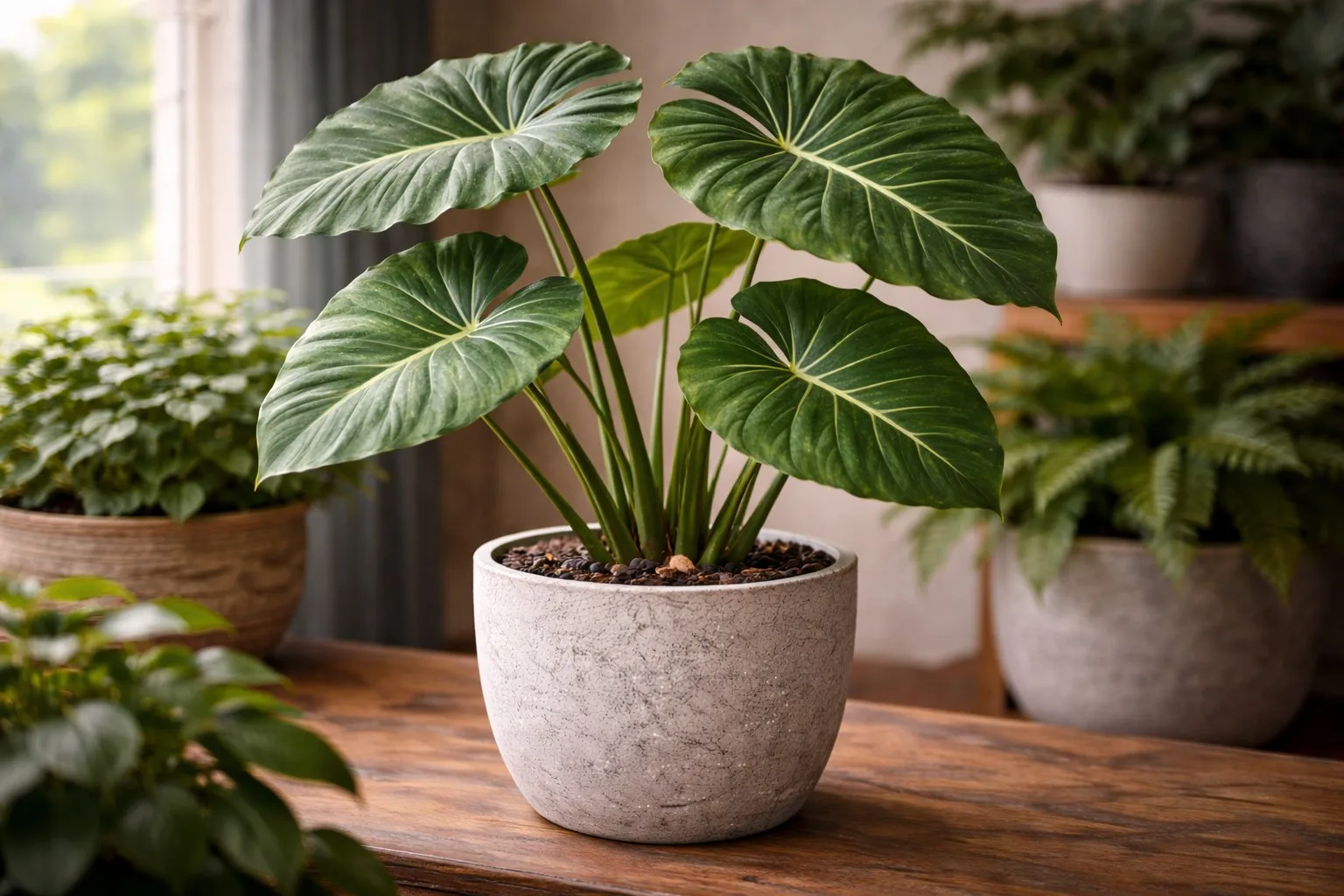
The elephant ear plant is a dramatic, eye-catching plant known for its massive, heart-shaped leaves that resemble the ears of an elephant. Whether grown outdoors in gardens or indoors as a statement plant, elephant ear plants instantly create a bold, tropical look. They are fast-growing, visually powerful, and surprisingly manageable once you understand their needs.
This fully detailed, long-form guide covers everything about the elephant ear plant, including what it is, popular types, meanings, benefits, planting methods, indoor and outdoor care, watering, soil, sunlight, fertilizing, overwintering, common mistakes, pests, propagation, safety, and frequently asked questions. This is a complete resource designed to give real value, not surface-level information.
What Is an Elephant Ear Plant?
The elephant ear plant is a common name used for several tropical plants with very large leaves, mainly from the genera Alocasia, Colocasia, and Xanthosoma. These plants are native to tropical regions of Asia, Africa, and the Americas, where they grow in warm, humid environments.
Elephant ear plants are famous for:
- Huge, dramatic leaves
- Fast growth during warm seasons
- Strong tropical appearance
- Ability to grow in soil or near water
Some varieties grow upright, while others have leaves that droop downward. Leaf size can range from 1 foot to over 5 feet long, depending on the type and growing conditions.
Meaning and Symbolism of Elephant Ear Plant
Elephant ear plants carry strong symbolic meaning in many cultures.
Common meanings include:
- Strength and protection
- Abundance and prosperity
- Wisdom and resilience
- Growth and bold energy
Because of their size and presence, elephant ear plants often symbolize confidence, power, and stability. In Feng Shui-inspired spaces, large-leaf plants like elephant ears are believed to attract positive energy and balance.
Types of Elephant Ear Plants
There are three main groups commonly referred to as elephant ear plants.
Alocasia (Upright Elephant Ear)
Alocasia plants hold their leaves upright and have a more sculptural look.
Key features:
- Glossy, arrow-shaped leaves
- Prominent veins
- Popular as houseplants
- More sensitive to cold
Popular Alocasia varieties include Alocasia Polly, Alocasia Amazonica, and Alocasia Zebrina.
Colocasia (Drooping Elephant Ear)
Colocasia plants have leaves that point downward and thrive in moist soil.
Characteristics:
- Softer, drooping leaves
- Can grow in wet or boggy soil
- Often grown outdoors
- Includes edible taro varieties
Popular types include Colocasia esculenta and Black Magic elephant ear.
Xanthosoma (Giant Elephant Ear)
Xanthosoma varieties grow very large and are often used in landscapes.
Traits include:
- Extremely large leaves
- Strong, thick stems
- Warm-climate outdoor plants
- Less common indoors
Benefits of Growing Elephant Ear Plants
Strong Visual Impact
Elephant ear plants are statement plants. One plant can completely change the look of a space, making it feel lush, tropical, and dramatic.
Fast Growth
During the growing season, elephant ear plants grow quickly, producing new leaves regularly when given enough water and nutrients.
Versatile Growing Options
They can be grown:
- In garden beds
- In large containers
- Near ponds or water features
- Indoors as decorative plants
Improves Outdoor Atmosphere
In gardens, elephant ears provide shade, texture, and contrast, especially when paired with smaller plants.
Light Requirements for Elephant Ear Plant
Light needs depend on the variety, but most elephant ear plants prefer bright conditions.
Best lighting conditions:
- Bright, indirect light indoors
- Partial sun to partial shade outdoors
- Morning sun with afternoon shade
Too much direct sunlight can scorch leaves, while too little light slows growth and reduces leaf size.
Watering Elephant Ear Plant Properly
Elephant ear plants love moisture and are not drought-tolerant.
Watering guidelines:
- Keep soil consistently moist
- Water deeply and regularly
- Never allow soil to fully dry out
- Reduce watering slightly in winter
Colocasia varieties can even tolerate wet soil, while Alocasia prefers moist but well-draining conditions.
Drooping leaves are often the first sign of underwatering.
Best Soil for Elephant Ear Plant
Elephant ear plants need rich, nutrient-dense soil.
Ideal soil mix includes:
- High-quality potting soil
- Compost or organic matter
- Perlite or sand for drainage
Soil should hold moisture but not become compacted or muddy.
Temperature and Humidity Needs
Elephant ear plants thrive in warm, humid environments.
Ideal conditions:
- Temperature between 65–90°F
- High humidity
- Protection from cold winds
They are very sensitive to frost and cold temperatures.
Fertilizing Elephant Ear Plants
Because of their fast growth and large leaves, elephant ear plants are heavy feeders.
Fertilizing tips:
- Feed every 2–3 weeks during spring and summer
- Use balanced liquid fertilizer
- Organic compost works well outdoors
- Stop or reduce feeding in fall
Lack of nutrients leads to smaller leaves and slow growth.
Growing Elephant Ear Plant Indoors
Some elephant ear varieties do well indoors with proper care.
Indoor care tips:
- Place near bright windows with filtered light
- Increase humidity with humidifiers or pebble trays
- Use large pots with drainage holes
- Rotate plant for even growth
Alocasia types are better suited for indoor growing than Colocasia.
Growing Elephant Ear Plant Outdoors
Outdoors, elephant ear plants truly shine.
Outdoor growing tips:
- Plant after danger of frost has passed
- Choose a sheltered, warm location
- Water frequently during hot weather
- Mulch to retain moisture
They work beautifully in tropical gardens and near water features.
Pruning and Maintenance
Elephant ear plants do not require heavy pruning.
Basic maintenance includes:
- Removing yellow or damaged leaves
- Cutting leaves at the base
- Cleaning leaves to remove dust
Pruning encourages healthy new growth.
Overwintering Elephant Ear Plants
In cold climates, elephant ear plants must be protected in winter.
Options include:
- Digging up bulbs and storing indoors
- Moving potted plants inside
- Cutting back foliage after frost
Store bulbs in a cool, dry place until spring.
Common Problems and Mistakes
Yellow Leaves
Usually caused by overwatering, poor drainage, or nutrient deficiency.
Brown Leaf Edges
Often due to low humidity or inconsistent watering.
Drooping Leaves
Typically caused by underwatering or heat stress.
Pests
Common pests include spider mites, aphids, and mealybugs. Regular inspection helps prevent infestations.
How to Propagate Elephant Ear Plant
Propagation is usually done through division.
Steps:
- Dig up the plant or remove from pot
- Separate bulbs or rhizomes
- Plant each section in fresh soil
- Water thoroughly
Propagation is best done in spring.
Is Elephant Ear Plant Toxic?
Yes, elephant ear plants are toxic to humans and pets if ingested.
Symptoms may include:
- Mouth and throat irritation
- Swelling
- Digestive discomfort
Keep plants out of reach of pets and children.
Best Places to Keep Elephant Ear Plant
Ideal locations include:
- Bright living rooms
- Patios and balconies
- Garden beds with partial shade
- Near ponds or water features
Space is important due to their size.
Interesting Facts About Elephant Ear Plants
- Some varieties can grow over 10 feet tall
- Leaves can be larger than a human torso
- Certain types are grown for food when cooked properly
- They grow fastest in warm, humid weather
- One leaf can last several weeks
FAQs About Elephant Ear Plant
Q: Are elephant ear plants hard to grow?
A: No, they are easy to grow if given enough water, warmth, and nutrients.
Q: Can elephant ear plants grow indoors?
A: Yes, especially Alocasia varieties.
Q: How fast do elephant ear plants grow?
A: Very fast during warm seasons with proper care.
Q: Do elephant ear plants come back every year?
A: Yes, in warm climates or when bulbs are stored properly.
Q: Why are my elephant ear leaves curling?
A: Curling is usually caused by underwatering or low humidity.
Final Thoughts
The elephant ear plant is a powerful and dramatic addition to any home or garden. Its massive leaves, fast growth, and tropical presence make it impossible to ignore. While it needs more water and nutrients than many houseplants, the care is straightforward and rewarding. With the right balance of light, moisture, warmth, and feeding, elephant ear plants grow into stunning focal points that bring bold beauty and lush energy wherever they are planted.