
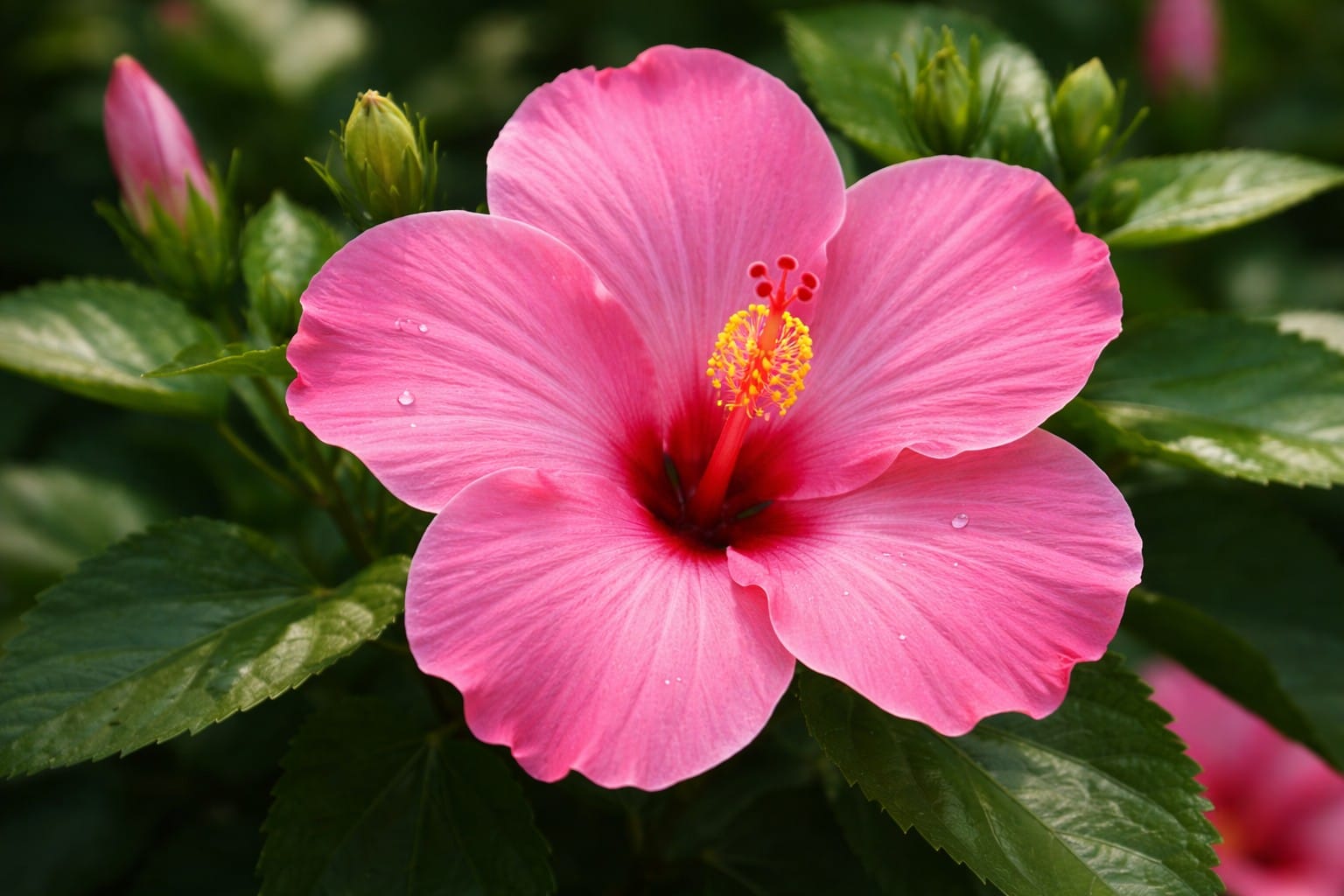
The hibiscus flower is one of the most eye-catching and widely loved flowering plants in the world. Known for its large, colorful blooms and tropical charm, hibiscus adds instant beauty to gardens, balconies, and indoor spaces. Beyond its looks, the hibiscus flower also has deep cultural meaning, health benefits, and practical uses that make it truly special.
This complete guide covers everything you need to know about the hibiscus flower, including its meaning, types, growing conditions, step-by-step care, propagation, common problems, uses, and expert tips. Whether you are growing hibiscus for decoration, tea, or tradition, this article will give you clear and practical knowledge.
What Is a Hibiscus Flower?
The hibiscus flower belongs to the Hibiscus genus, which includes over 300 species of flowering plants. These plants are native to warm regions around the world, including Asia, Africa, the Pacific Islands, and parts of the Americas.
Hibiscus plants can grow as shrubs, small trees, or potted plants, depending on the variety. Their flowers are usually large, trumpet-shaped, and come in vibrant colors like red, pink, yellow, orange, white, and purple.
Key features of the hibiscus flower include:
- Large blooms with five or more petals
- Prominent central stamen that extends outward
- Glossy green leaves
- Fast-growing nature in warm climates
Hibiscus flowers are often short-lived, lasting one to two days, but healthy plants produce new blooms continuously during the flowering season.
Meaning and Symbolism of Hibiscus Flower
The hibiscus flower carries different meanings across cultures, but it is generally associated with beauty, love, femininity, and life.
- In Hawaiian culture, hibiscus symbolizes hospitality and respect. Wearing it behind the ear can signal relationship status.
- In Chinese culture, hibiscus represents fame, wealth, and personal glory.
- In Hindu traditions, red hibiscus flowers are often offered to Goddess Kali and Lord Ganesha.
- In Victorian flower language, hibiscus symbolized delicate beauty.
Because the flower blooms boldly yet briefly, it also represents the idea of living in the moment.
Types of Hibiscus Flowers
There are many hibiscus varieties, but they are mainly grouped into two main categories.
Tropical Hibiscus
- Scientific name: Hibiscus rosa-sinensis
- Bright, glossy flowers
- Grows best in warm, frost-free climates
- Popular as houseplants and garden shrubs
Hardy Hibiscus
- Scientific name: Hibiscus moscheutos
- Large, dinner-plate-sized blooms
- Can survive cold winters
- Dies back in winter and regrows in spring
Popular Hibiscus Varieties
- Red Hibiscus – Most common, symbolic, and widely used
- Yellow Hibiscus – State flower of Hawaii
- Pink Hibiscus – Soft, romantic appearance
- White Hibiscus – Symbol of purity and calm
- Double Hibiscus – Layered petals for a fuller look
How to Grow Hibiscus Flowers
Hibiscus plants are not difficult to grow if their basic needs are met. They thrive when given warmth, sunlight, and proper watering.
Light Requirements
- Hibiscus needs full sunlight, at least 6–8 hours daily
- Too little light leads to fewer flowers
- Indoors, place near a bright south- or east-facing window
Soil Requirements
- Well-draining, fertile soil
- Slightly acidic soil works best
- Avoid heavy clay soil that holds water
Watering Needs
- Water deeply but allow the topsoil to dry slightly
- Keep soil consistently moist, not soggy
- Overwatering can cause root rot
Temperature and Climate
- Ideal temperature: 60–90°F (15–32°C)
- Tropical hibiscus cannot tolerate frost
- Hardy hibiscus survives cold winters
Containers vs Ground Planting
- Potted hibiscus is great for balconies and indoors
- Ground-planted hibiscus grows larger and stronger
- Always use pots with drainage holes
Step-by-Step Guide to Planting Hibiscus
Step 1: Choose a healthy plant with green leaves and no pests
Step 2: Select a sunny location
Step 3: Prepare well-draining soil
Step 4: Dig a hole twice the size of the root ball
Step 5: Place the plant and fill with soil
Step 6: Water thoroughly after planting
Step 7: Mulch lightly to retain moisture
Hibiscus Flower Care Tips
Proper care ensures long-lasting blooms and a healthy plant.
- Water regularly, especially during hot weather
- Fertilize every 2–3 weeks during the growing season
- Use a fertilizer rich in potassium
- Prune lightly to maintain shape and encourage branching
- Remove dead flowers and yellow leaves
Pruning Hibiscus
- Best done in early spring
- Cut back weak or leggy branches
- Encourages more blooms
How to Propagate Hibiscus
Hibiscus can be propagated in two main ways.
Propagation by Cuttings
- Take a 4–6 inch cutting from a healthy branch
- Remove lower leaves
- Dip in rooting hormone
- Plant in moist soil
- Keep warm and humid
Propagation by Seeds
- Soak seeds in warm water before planting
- Plant in light soil
- Takes longer to flower compared to cuttings
Cuttings are the fastest and most reliable method.
Common Problems and Solutions
Yellow Leaves
- Caused by overwatering or nutrient deficiency
- Improve drainage and fertilize properly
Bud Drop
- Stress from temperature changes or underwatering
- Maintain consistent care
Pests
- Aphids, spider mites, and whiteflies are common
- Wash leaves with water or use neem oil
No Flowers
- Lack of sunlight
- Excess nitrogen fertilizer
- Immature plant
Uses of Hibiscus Flower
Ornamental Use
- Popular in gardens, hedges, and pots
- Adds tropical beauty instantly
Hibiscus Tea
- Made from dried hibiscus petals
- Tart, refreshing flavor
- Rich in antioxidants
Medicinal Benefits
- Supports heart health
- Helps regulate blood pressure
- Aids digestion
- Promotes healthy skin and hair
Cultural and Religious Use
- Used in prayers and offerings
- Symbol of devotion and respect
Tips for More Blooms
- Give full sunlight daily
- Use bloom-boosting fertilizer
- Avoid over-pruning
- Keep soil consistently moist
- Protect from cold winds
FAQs About Hibiscus Flower
Q: How long does hibiscus bloom?
A: Individual flowers last 1–2 days, but plants bloom continuously for months.
Q: Can hibiscus grow indoors?
A: Yes, tropical hibiscus grows well indoors with bright light.
Q: Is hibiscus safe for pets?
A: Hibiscus is generally non-toxic, but ingestion should still be limited.
Q: Does hibiscus come back every year?
A: Hardy hibiscus returns yearly, tropical hibiscus does not survive frost.
Q: Can hibiscus grow in pots?
A: Yes, hibiscus thrives in containers with proper care.
Final Thoughts
The hibiscus flower is a perfect blend of beauty, meaning, and usefulness. Its bold blooms, easy care, and health benefits make it one of the most rewarding plants to grow. With the right sunlight, water, and care routine, hibiscus can bloom generously and transform any space into a vibrant, tropical retreat. Whether grown for decoration, tea, or tradition, hibiscus remains a timeless favorite in gardens around the world.