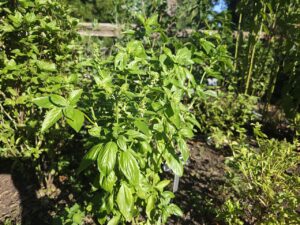
How to propagate basil plant is one of the easiest herb skills you can learn, and it works fast with healthy stem cuttings. This guide shows you how to root basil in water or soil, when to pinch, and how to keep new plants growing strong.
On this page
Key TakeawaysHow to Propagate Basil Plant with Stem CuttingsHow to Propagate Basil Plant in WaterHow to Propagate Basil Plant in SoilHow to Help New Basil Roots Grow FastHow to Transplant and Keep Basil BushyCommon Problems When You Propagate Basil PlantQuick Wrap-Up: Basil Propagation ChecklistFrequently Asked QuestionsKey Takeaways
- Stem cuttings are the fastest method: Basil roots quickly from fresh, healthy stems with a few leaf nodes.
- Water propagation is easy to watch: You can see roots form before you move the cutting to soil.
- Soil propagation can be simpler long term: A cutting planted right away in moist mix often adjusts faster.
Show 4 more takeaways
- Cut below a node: A node is the small bump where leaves grow, and it is where roots form best.
- Use soft, healthy growth: Young stems root better than old, woody stems.
- Pinch the top early: This helps the basil plant grow bushy instead of tall and thin.
- Avoid flowers on the parent plant: Flowering basil sends energy to seeds, not new leafy growth.
How to Propagate Basil Plant with Stem Cuttings
How to propagate basil plant is simple: cut a healthy stem, place it in water or soil, and wait for roots to grow. Basil is a soft herb, so it roots fast compared with many garden plants. If you start with a fresh stem, you can often see roots in about one to two weeks.
Think of a basil stem like a green straw with tiny “joints.” Those joints are called nodes, and they are where new roots form. That is why the cut point matters so much.
What kind of stem works best?
Use a 4 to 6 inch stem with at least two or three sets of leaves. Pick one that looks bright green and firm. Skip stems with flowers, yellow spots, or weak growth, because those are slower to root.
Why stem cuttings beat seeds for speed
If your goal is speed, how to propagate basil plant from cuttings is the clear winner. Seeds need time to sprout, then time to grow into a usable plant. Cuttings already come from a living basil plant, so they skip the slow start.
How to Propagate Basil Plant in Water
How to propagate basil plant in water is the easiest method for beginners. You place the cutting in a glass of clean water, keep the leaves above the surface, and wait for roots to appear. This method is great because you can check progress every day.
Step-by-step water method
- Cut a healthy stem just below a node.
- Remove the lower leaves so no leaves sit in water.
- Place the stem in a glass with enough water to cover the bare nodes.
- Set the glass in bright, indirect light.
- Change the water every 2 to 3 days.
Roots usually appear in 7 to 14 days, though the timing depends on warmth and light. When the roots are about 2 inches long, move the cutting into potting mix.
What water propagation gets right
This method is like watching a timer tick down in a clear jar. You see root growth, you spot rot fast, and you know when to transplant. It is a good choice if you want a low-risk start.
How to Propagate Basil Plant in Soil
How to propagate basil plant in soil is a strong choice if you want to skip the water-to-soil move. You plant the cutting directly into moist potting mix, and it roots where it will live. This can reduce transplant shock, which is stress that happens when a plant changes homes.
Step-by-step soil method
- Fill a small pot with moist, loose potting mix.
- Trim a 4 to 6 inch cutting below a node.
- Remove the lower leaves.
- Make a small hole and place the stem in the mix.
- Press the soil gently around the stem.
- Keep the soil damp, not soggy.
Covering the pot with a clear bag can help hold moisture, but leave a little opening for air. If the mix stays wet like a wrung-out sponge, the stem may rot. If it dries out, roots can stall.
Water or soil, which is better?
| Method | Speed | Best for | Main risk |
|---|---|---|---|
| Water | Fast to show roots | Beginners who want to watch progress | Roots can be fragile at transplant |
| Soil | Often steady, but less visible | Growers who want one less move later | Cuttings can dry out or rot |
Both methods work well for how to propagate basil plant. Choose water if you like clear progress. Choose soil if you want the cutting to settle in right away.
How to Help New Basil Roots Grow Fast
How to propagate basil plant well depends on warmth, light, and moisture. Basil roots fastest when it gets bright light, warm air, and steady care. Treat the cutting like a baby plant, not a full-grown herb.
Light and temperature matter
Place cuttings in bright, indirect light. A sunny windowsill can work if the sun is not too harsh. Basil likes warmth, and room temperature around 70 to 80°F is a good range for rooting.
Keep moisture steady
Roots need moisture, but they also need air. In water, keep the nodes covered and refresh the water often. In soil, water lightly when the top feels just barely dry. Too much water can suffocate roots, like holding a sponge over a drain.
Use the right cutting habit
When you learn how to propagate basil plant, remember that a good parent plant matters too. Harvest from a healthy basil plant that is growing leafy and full. Do not strip one stem bare, because the plant still needs leaves to make energy.
How to Transplant and Keep Basil Bushy
How to propagate basil plant does not end when roots form. The next step is moving the new plant into a bigger pot, then pinching it so it grows wide, not tall. This is the point where many growers turn one cutting into a full herb plant.
When to move it
If you rooted basil in water, move it to soil when roots are about 2 inches long. If you rooted it in soil, wait until you see new leaf growth and gentle resistance when you tug lightly. That means the roots have grabbed the mix.
How to pinch basil
Pinch the top set of leaves above a leaf node. This tells the plant to send out side shoots. Side shoots make the plant fuller, which means more leaves for cooking.
- Pinch early, before the plant gets tall and leggy.
- Harvest often, but leave enough leaves for growth.
- Remove flower buds as soon as you see them.
Why bushy growth matters
A bushy basil plant is easier to harvest and lasts longer. If you let it grow straight up, it gets thin and woody faster. Think of pinching like pruning a haircut, because it shapes the plant while helping it grow back thicker.
Common Problems When You Propagate Basil Plant
How to propagate basil plant can fail for a few simple reasons, and most of them are easy to fix. If a cutting wilts, darkens, or stops growing, check the stem, water, and light first. Small changes usually solve the problem fast.
Problem, cause, fix
| Problem | Likely cause | Fix |
|---|---|---|
| Stem turns black | Rot from too much water | Cut below the bad spot and restart with clean water or fresh mix |
| No roots after 2 weeks | Weak cutting or too little warmth | Use a fresher stem and move it to a warmer spot |
| Leaves droop | Too much sun or dry air | Give bright indirect light and steady moisture |
| Leaves yellow | Old leaves or poor water quality | Remove weak leaves and change the water often |
If you want the best odds, start three cuttings at once. That way, even if one fails, you still have backups. This is a simple trick that saves time and keeps your herb supply steady.
Quick Wrap-Up: Basil Propagation Checklist
How to propagate basil plant fast is really about clean cuts, healthy stems, and steady care. Use this quick checklist when you start, and you will avoid the most common mistakes.
| Step | What to do | Why it helps |
|---|---|---|
| 1 | Choose a healthy 4 to 6 inch stem | Young stems root faster |
| 2 | Cut below a node and remove lower leaves | Roots form at nodes, and leaves in water can rot |
| 3 | Place in water or moist soil | Gives the cutting the moisture it needs |
| 4 | Keep it warm and in bright, indirect light | Helps roots form quickly |
| 5 | Transplant when roots are 2 inches long | Lets the new basil plant settle in well |
| 6 | Pinch the top after it starts growing | Makes the plant bushy and productive |
Once you learn how to propagate basil plant, you can keep fresh basil going all season from one strong parent plant. Start with one cutting today, and you will likely have a new plant ready before you finish using the last harvest.
Frequently Asked Questions
How long does it take to propagate basil?
Basil usually starts rooting in 7 to 14 days. Warmth, bright light, and a healthy cutting can speed things up. Some cuttings root even faster if the stem is fresh and the node is strong.
Can you propagate basil from store-bought stems?
Yes, you can often propagate basil from fresh store-bought stems if they are not wilted or damaged. Pick stems with healthy leaves and no flowers. Trim them fresh before placing them in water or soil.
Should basil cuttings be in sun or shade?
Give basil cuttings bright, indirect light, not harsh direct sun. Strong sun can dry them out before roots form. A bright window with gentle light is usually best.
How many basil cuttings should I start?
Start at least 2 or 3 cuttings if you want better odds. Some stems root faster than others, and a few may fail. Extra cuttings give you a backup and a fuller plant later.
Why do basil cuttings wilt in water?
Wilt often happens when too many leaves stay above the water line, the stem is weak, or the room is too hot. Remove lower leaves, use a fresh cutting, and keep the jar in a cooler bright spot. Change the water often.
Can you root basil without a node?
It is much harder because nodes are where roots form best. A cutting with at least one or two nodes gives you a much better chance. Always cut just below a node for the best result.