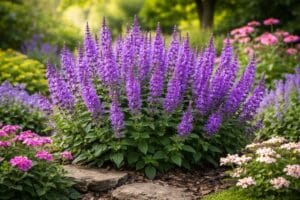
Lavender purple flowers add calm color, soft scent, and pollinator power to gardens of any size. This guide covers 15 beautiful blooms, how to choose the right ones, and how to keep them healthy through the season.
On this page
Key TakeawaysLavender Purple Flowers: Why They Work So Well in Herb Gardens15 Beautiful Lavender Purple Flowers to GrowHow to Choose the Right Bloom for Your SpaceHow to Plant and Care for Lavender Purple FlowersHow to Design a Garden with Lavender Purple FlowersCommon Problems and Easy FixesQuick Reference for Growing Lavender Purple FlowersFrequently Asked QuestionsKey Takeaways
- Lavender purple flowers: They work well in herb gardens, borders, pots, and pollinator beds because they bring color and scent in one plant.
- Plant choice matters: Some blooms, like lavender and salvia, like full sun and dry soil, while others, like catmint, handle more variety.
- Color pairs well: Lavender purple flowers look best with silver leaves, white blooms, pink flowers, and dark green foliage.
Show 3 more takeaways
- Pollinators love them: Bees, butterflies, and hummingbirds often visit lavender purple flowers for nectar and pollen.
- Care stays simple: Most of these plants need sun, drainage, and light pruning to keep blooming well.
- Garden planning helps: Mixing bloom times gives you lavender purple flowers from spring through late summer.
Lavender Purple Flowers: Why They Work So Well in Herb Gardens
Lavender purple flowers add color, scent, and easy charm to an herb garden. They also fit many spaces, from raised beds to patio pots, because the color feels soft but still stands out. If you want a garden that looks calm and still feels lively, this flower color is a smart choice.
These blooms do more than look nice. Many are nectar-rich, so they bring bees and butterflies close. Some are true herbs, like lavender and sage, while others are flowering companions that help fill gaps and add height.
What makes lavender purple flowers so popular?
The color works like a quiet spotlight. Lavender purple flowers blend with silver leaves, white blossoms, and green herbs without fighting for attention. That makes them easy to mix into borders, kitchen gardens, and cottage-style beds.
15 Beautiful Lavender Purple Flowers to Grow
Lavender purple flowers come in many forms, from tiny spikes to large star-shaped blooms. The list below gives you a mix of herbs, perennials, and annuals, so you can choose plants that match your climate and style.
- Lavender: This classic herb has narrow gray-green leaves and fragrant purple flower spikes.
- Catmint: This plant has soft mounds and long bloom time, with small lavender purple flowers.
- Salvia: Many sage types produce tall purple flower spikes that attract bees.
- Russian sage: This airy plant has long stems and smoky lavender purple flowers.
- Verbena: This plant makes flat flower clusters that look light and cheerful.
- Allium: These globe-shaped blooms add a bold look in late spring.
- Bee balm: This herb has shaggy flowers in purple shades and strong scent.
- Thyme: Some thyme varieties bloom with tiny purple flowers over low mats.
- Hyssop: This herb has upright stems and neat purple blooms.
- Chive flowers: These round purple heads are edible and useful in the kitchen.
- Aster: This late-season flower adds daisy-like purple color.
- Bellflower: This plant gives you bell-shaped blooms in soft purple tones.
- Geranium: Hardy geraniums can bloom in cool lavender purple shades.
- Penstemon: This plant has tubular flowers that fit well in sunny beds.
- Catnip: This herb has small lavender purple blooms and a loose, casual look.
Which ones are true herbs?
Lavender, thyme, chives, hyssop, catnip, and bee balm are all useful herbs. They can be grown for scent, pollinators, or cooking. If you want a garden that works hard and looks pretty, start with those plants first.
How to Choose the Right Bloom for Your Space
The right lavender purple flowers depend on sun, soil, and space. Full sun plants need at least six hours of direct light each day. If your yard gets less sun, choose plants that handle partial shade, like hardy geranium or some bellflower types.
Think of your garden like a shelf. Tall plants go in the back, low plants go in front, and mid-height plants fill the middle. That simple layout keeps lavender purple flowers easy to see and easy to care for.
| Plant Type | Sun Needs | Soil Preference | Best Use |
|---|---|---|---|
| Lavender | Full sun | Dry, well-drained | Borders, pots, cutting gardens |
| Catmint | Full sun to part sun | Average, well-drained | Edging, pollinator beds |
| Bee balm | Full sun to part sun | Moist, rich | Back of borders, wildlife gardens |
| Russian sage | Full sun | Dry, lean | Large beds, drought-tolerant gardens |
How do you match plants to your garden?
Start with your light and soil. If your soil stays wet, skip drought lovers like lavender and Russian sage. If your bed dries fast, choose those instead of moisture-loving bee balm. That one step saves time and plant loss later.
How to Plant and Care for Lavender Purple Flowers
Most lavender purple flowers grow best when you give them sun, drainage, and room to breathe. Good soil drainage means water moves through the soil instead of sitting around the roots. That matters because soggy roots often rot.
Plant in spring after frost risk passes, or in fall in mild climates. Water new plants often for the first few weeks, then reduce watering once roots settle. After that, many of these plants need less water than people expect.
- Pick a sunny spot: Most lavender purple flowers need strong light to bloom well.
- Loosen the soil: Break up hard ground so roots can spread.
- Set plants at the right depth: Keep the crown, the point where stems meet roots, near soil level.
- Water after planting: This helps remove air pockets around the roots.
- Trim spent flowers: Deadheading, which means removing old blooms, can push more flowers.
Why does pruning help?
Pruning is a simple trim that keeps plants neat and productive. For herbs like lavender, thyme, and catnip, light pruning also stops them from getting woody or floppy. It is a bit like trimming your hair so it grows in a better shape.
How to Design a Garden with Lavender Purple Flowers
Lavender purple flowers look best when you repeat them through the bed. Repeating the same color creates rhythm, which makes the garden feel calm and planned. You do not need many plants to get that effect.
Pair lavender purple flowers with white blooms for a fresh look, or with yellow flowers for more contrast. Silver foliage also works well because it softens the color and makes purple pop. In herb gardens, this mix feels neat and useful at the same time.
What plants pair well with them?
Try rosemary, sage, dusty miller, white alyssum, yarrow, or ornamental grasses. These plants give different textures, so the bed does not look flat. Texture is the mix of leaf shape, flower form, and plant height.
- For a soft look: Pair lavender purple flowers with white and silver plants.
- For a bold look: Pair them with yellow or deep blue flowers.
- For a kitchen bed: Mix them with thyme, chives, sage, and rosemary.
Common Problems and Easy Fixes
Lavender purple flowers are usually easy to grow, but a few problems come up often. Most issues come from too much water, too little sun, or crowded spacing. Fix those first before adding fertilizer or changing plants.
| Problem | Likely Cause | Fix |
|---|---|---|
| Few flowers | Not enough sun | Move the plant or trim nearby shade plants |
| Yellow leaves | Too much water | Let soil dry more between waterings |
| Floppy stems | Too much shade or rich soil | Give more sun and reduce heavy feeding |
| Weak growth | Plants too crowded | Thin or divide plants for better airflow |
If you see pests, check the undersides of leaves first. Aphids, which are tiny sap-sucking insects, can cluster on new growth. A strong spray of water often removes them fast.
Quick Reference for Growing Lavender Purple Flowers
Lavender purple flowers are easy to manage when you follow a few simple rules. Give them sun, plant them in draining soil, and trim them after bloom. That basic routine covers most garden problems before they start.
| Task | Simple Rule | Why It Helps |
|---|---|---|
| Sun | Give 6 or more hours | More flowers and stronger stems |
| Water | Water young plants often, then less often | Prevents root rot |
| Spacing | Leave room between plants | Improves airflow and cuts disease risk |
| Deadheading | Remove old blooms | Can extend flowering time |
For a small garden, choose lavender, catmint, and chives. For a bigger bed, add salvia, Russian sage, and bee balm. That mix gives you different bloom shapes, different heights, and a longer season of lavender purple flowers.
When you plan with color, light, and water in mind, lavender purple flowers are easy to enjoy. They bring scent, pollinators, and a clean look to the garden, and they fit well in herb spaces where beauty and use go hand in hand.
Frequently Asked Questions
What are lavender purple flowers?
Lavender purple flowers are blooms in soft purple shades that often appear in herb gardens, borders, and pollinator beds. They include plants like lavender, salvia, catmint, and chives.
Which lavender purple flowers are easiest to grow?
Lavender, catmint, chives, and thyme are some of the easiest choices. They like sun, drain well, and need only light care once established.
Do lavender purple flowers attract bees?
Yes, many lavender purple flowers attract bees because they offer nectar and pollen. Lavender, salvia, bee balm, and Russian sage are especially popular with pollinators.
Can lavender purple flowers grow in pots?
Yes, many can grow well in pots if the container has drainage holes. Lavender, thyme, and chives are good pot choices because they stay compact and like drier soil.
How much sun do lavender purple flowers need?
Most need at least six hours of direct sun each day. A few can handle part shade, but full sun usually gives better bloom color and stronger growth.
Why are my lavender purple flowers not blooming?
Low light, too much fertilizer, or crowded roots are common reasons. Move the plant to a sunnier spot, ease up on feeding, and give it more space to grow.